

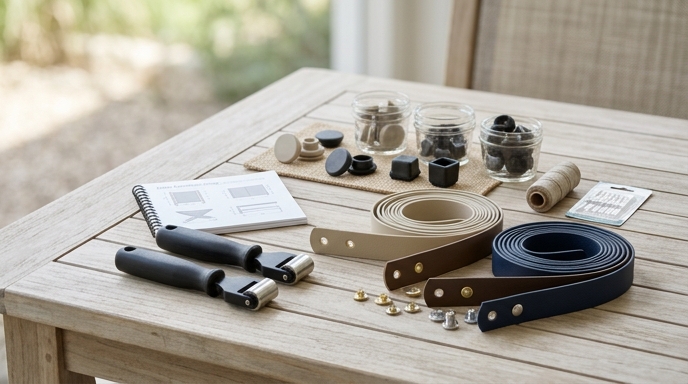
DIY Patio Repair: 7 Ultimate Tools for Flawless Home Restoration
DIY Patio Repair is an essential skill for any homeowner looking to maintain the beauty and functionality of their outdoor living space. Over time, patios endure significant wear and tear from weather, foot traffic, and shifting foundations. Addressing these issues promptly not only enhances curb appeal but also prevents minor problems from escalating into costly structural damage.
This comprehensive guide will equip you with the knowledge and the 7 ultimate tools necessary for successful home patio restoration. We will cover everything from fixing minor cracks to addressing sinking pavers, ensuring your outdoor oasis remains a source of pride and relaxation. Mastering DIY Patio Repair empowers you to tackle common challenges with confidence and achieve stunning, lasting results.
Key Takeaways
- Discover the 7 ultimate tools that are indispensable for any successful DIY Patio Repair project, from concrete patches to paver leveling.
- Learn step-by-step techniques for addressing common patio issues, including cracks, sinking pavers, and eroded joints, ensuring a flawless finish.
- Understand the critical role of proper base preparation and drainage in preventing future damage and extending the life of your patio.
- Identify the best materials, such as polymeric sand and quality crack fillers, to achieve durable and aesthetically pleasing results in your DIY Patio Repair.
- Gain insights into budgeting, timing, and knowing when to seek professional help for more extensive patio damage, optimizing your restoration efforts.
Understanding DIY Patio Repair: Why It Matters
Your patio is more than just an outdoor slab; it’s an extension of your home, a place for relaxation, entertaining, and making memories. Neglecting its condition can lead to safety hazards, diminished aesthetics, and a decrease in your property’s overall value. Engaging in DIY Patio Repair is a proactive step towards preserving this valuable asset.
Regular maintenance and timely repairs ensure your patio remains a safe, beautiful, and functional space for years to come. From minor cosmetic fixes to more structural adjustments, understanding the basics of DIY Patio Repair can save you significant time and money in the long run.
Common Patio Problems Requiring DIY Patio Repair
Patios face a variety of challenges. Concrete surfaces can develop unsightly cracks, spalling, or uneven sections. Paver patios often suffer from sinking stones, weed growth in joints, or erosion of jointing sand. Addressing these common issues is the core of effective DIY Patio Repair.
Water damage, freeze-thaw cycles, and tree root intrusion are frequent culprits behind patio deterioration. Identifying the root cause of the damage is crucial for selecting the right repair method and ensuring a lasting fix. A thorough assessment is the first step in any successful DIY Patio Repair project.
The 7 Ultimate Tools for Flawless DIY Patio Repair
Successful DIY Patio Repair hinges on having the right equipment. Investing in quality tools will not only make the job easier but also ensure a more professional and durable outcome. Here are 7 ultimate tools that every DIY enthusiast should consider for their patio restoration projects.
These tools cover a range of tasks, from preparing surfaces to applying new materials. Having them on hand will streamline your DIY Patio Repair efforts and help you achieve excellent results.

Essential Tools for Concrete DIY Patio Repair
For concrete DIY Patio Repair, you’ll need a few specialized items. A hammer and chisel are invaluable for removing loose or damaged concrete. A wire brush helps clean surfaces, ensuring proper adhesion for new patching compounds. Trowels are essential for smooth application and finishing.
Safety glasses and gloves are non-negotiable for protecting yourself from debris and chemicals. A sturdy mixing bucket and a drill with a mixing paddle attachment will make preparing concrete or repair compounds much easier, contributing to efficient DIY Patio Repair.
Key Tools for Paver DIY Patio Repair
Paver patios require a different set of tools for effective DIY Patio Repair. A rubber mallet is crucial for leveling pavers without damaging them. A paver extractor or two flathead screwdrivers can help remove individual pavers safely. A long level ensures your pavers are perfectly even.
A stiff broom is needed for sweeping in joint sand, and a jointing tool helps compact it. For larger areas, a plate compactor (often rentable) is vital for compacting the base and setting pavers firmly, making it a powerful tool for serious DIY Patio Repair.
General Tools for Any DIY Patio Repair Project
Beyond specific concrete or paver tools, some items are universally useful for DIY Patio Repair. A sturdy shovel and rake are necessary for excavation and spreading base materials. A wheelbarrow makes transporting heavy loads like gravel or sand much simpler.
A utility knife is handy for cutting membranes or sealants. Finally, a garden hose with a spray nozzle is essential for cleaning and wetting surfaces, especially when working with polymeric sand. These general tools form the backbone of any successful DIY Patio Repair.
Mastering Concrete DIY Patio Repair: Cracks and Slabs
Concrete patios are durable, but they are not immune to damage. Cracks, spalling, and uneven slabs are common issues that homeowners face. Fortunately, many of these problems can be effectively addressed through diligent DIY Patio Repair techniques, saving you the expense of professional contractors.
Understanding the type of damage and choosing the appropriate repair material are key to achieving a long-lasting fix. With the right approach, your concrete patio can look as good as new, thanks to careful DIY Patio Repair.
Tackling Concrete Cracks with DIY Patio Repair
Minor concrete cracks are often cosmetic but can worsen if left untreated. For hairline cracks, a concrete crack filler or sealant is ideal. Clean the crack thoroughly, ensuring it’s free of debris, then apply the filler according to product instructions. Brands like Quikrete and Sakrete offer reliable options for DIY Patio Repair.
For wider cracks, a patching compound may be necessary. Chisel out loose material, clean the area, and then apply the patch in thin layers, smoothing it with a trowel. Many concrete repair products are available at home improvement stores, making this a manageable DIY Patio Repair task.
Repairing Sinking Concrete Slabs
Sinking concrete slabs can create tripping hazards and poor drainage. For minor sinking, a technique called slab jacking or mudjacking can be simulated on a small scale using specialized foam or concrete leveling compounds. This involves drilling small holes and injecting material underneath to lift the slab.
Alternatively, if the slab is small and manageable, you might carefully pry it up, add and compact new base material, and then relay the slab. This is a more involved form of DIY Patio Repair but can yield excellent results for persistent issues.
Expert Paver DIY Patio Repair: Sinking and Cracking
Paver patios offer a beautiful, flexible surface, but individual pavers can shift, sink, or crack over time. These issues are often due to inadequate base preparation, poor drainage, or heavy loads. Effective DIY Patio Repair for pavers involves addressing these underlying causes to ensure stability.
With the right tools and a methodical approach, you can restore your paver patio to its original pristine condition. This type of DIY Patio Repair is highly rewarding, as the results are immediately visible and greatly improve your patio’s appearance.
Fixing Sinking Pavers with Effective DIY Patio Repair
To fix a sinking patio paver, first identify the affected area. Use a paver extractor or two screwdrivers to carefully remove the sunken pavers. Excavate the base material underneath, looking for areas where the bedding sand has washed away or settled. Add new paver base or coarse sand to the excavated area.
Compact the new material thoroughly using a hand tamper or plate compactor, ensuring proper drainage slope. Then, relay the pavers, tapping them gently with a rubber mallet to level them with the surrounding surface. Finish by sweeping in new joint sand, completing your DIY Patio Repair.
Addressing Cracked Pavers and Their Causes
Cracked pavers can detract significantly from your patio’s appearance. The primary reasons why your patio pavers are cracking often include insufficient base compaction, freeze-thaw cycles, or heavy loads exceeding the paver’s capacity. Tree root intrusion can also exert pressure, leading to cracks.
For cracked pavers, the best solution is replacement. Remove the damaged paver as described above, ensuring the base is stable. Insert a new paver, level it, and then sweep in fresh joint sand. Addressing the cause, like improving drainage or trimming roots, will prevent future cracking and enhance your DIY Patio Repair efforts.
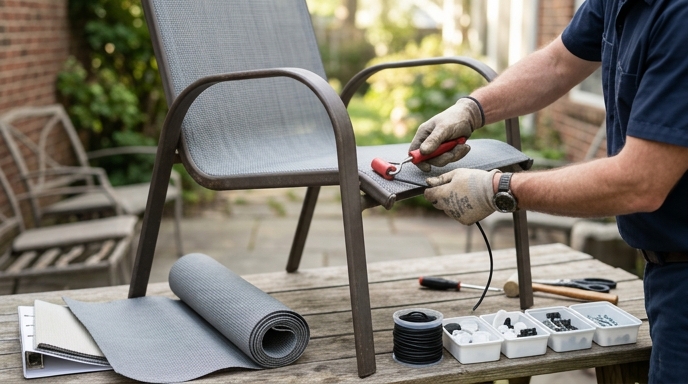
The Power of Polymeric Sand in DIY Patio Repair
Joint sand is a critical component of paver patios, providing stability and preventing weed growth. However, traditional joint sand can wash out easily, leading to shifting pavers and persistent weeds. Polymeric sand offers a superior solution for lasting DIY Patio Repair.
This innovative material hardens when wet, creating a durable and flexible bond between pavers. It significantly reduces weed growth, ant burrowing, and erosion, making it an excellent choice for enhancing the longevity and appearance of your patio through smart DIY Patio Repair.
Choosing the Right Joint Material for DIY Patio Repair
When considering what materials are best for patio joint repair, polymeric sand stands out. The difference between joint sand and polymeric sand for patios is significant. Traditional joint sand is simply fine silica sand, offering minimal resistance to elements. Polymeric sand contains additives that, when activated by water, bind the sand particles together.
This creates a semi-rigid joint that is far more resistant to erosion, weeds, and insects. For any serious DIY Patio Repair involving paver joints, polymeric sand is the recommended choice for superior performance and reduced maintenance.
Step-by-Step Polymeric Sand Application
Applying polymeric sand is a straightforward process for effective DIY Patio Repair. First, ensure your pavers are clean and dry, with no debris in the joints. Sweep the polymeric sand over the patio surface, working it into all the joints with a stiff broom. Make sure the joints are completely filled.
Once filled, use a leaf blower or broom to remove any excess sand from the paver surfaces, as residue can leave a haze. Finally, lightly mist the patio with water according to the product instructions. This activates the polymers, causing the sand to harden and secure the pavers, completing this crucial step in DIY Patio Repair.
Planning Your DIY Patio Repair Project: Timing and Costs
Embarking on a DIY Patio Repair project requires careful planning, not just in terms of tools and techniques, but also timing and budget. Understanding these factors will help you execute your repairs efficiently and cost-effectively, ensuring a smooth and successful outcome.
Proper preparation can prevent unexpected delays and expenses, making your DIY Patio Repair experience much more enjoyable. Consider the weather, material availability, and your own skill level before you begin.
Optimal Seasons for DIY Patio Repair
The best time to do patio repair is during dry, moderate weather, typically in late spring or early fall. Extreme heat can cause concrete and polymeric sand to cure too quickly, leading to cracking or improper bonding. Cold temperatures can prevent materials from setting properly, compromising the integrity of your DIY Patio Repair.
Rainy conditions are also detrimental, especially when working with joint sands or concrete mixes. Aim for a period of several dry days to ensure all materials have ample time to set and cure effectively, which is vital for durable DIY Patio Repair.
Budgeting for Your DIY Patio Repair
How much does DIY Patio Repair cost on average? The expense varies significantly based on the extent of the damage, the type of patio (concrete vs. pavers), and the materials required. Minor crack repairs might only cost $50-$100 for materials, while replacing several pavers or repairing a larger concrete section could range from $200-$500.
Factor in the cost of tools you might need to buy or rent, such as a plate compactor. While DIY Patio Repair is generally more affordable than hiring professionals, creating a detailed budget beforehand is always a smart move.
Sourcing Materials and Kits for DIY Patio Repair
Where can I buy patio repair kits and materials? Home improvement stores like Lowe’s, Home Depot, and Menards are excellent resources for concrete patch, crack fillers, polymeric sand, and individual pavers. Specialty landscaping supply centers often offer a wider selection of paver styles and base materials.
Online retailers also provide a vast array of products. For specific needs, such as unique paver styles or specialized tools, consider checking with local landscape suppliers or even American Slings and Patio Supplies for related patio components, ensuring you have everything for your DIY Patio Repair.
Avoiding Common Mistakes and Ensuring Longevity in DIY Patio Repair
Even with the best intentions, mistakes can happen during DIY Patio Repair. Being aware of common pitfalls can help you avoid them, ensuring your hard work results in a durable and attractive patio. A little foresight goes a long way in achieving professional-grade results.
By understanding what to avoid and how to prevent future damage, you can maximize the lifespan of your repairs and your patio as a whole. This section will guide you through crucial considerations for successful DIY Patio Repair.
Critical Mistakes to Sidestep in DIY Patio Repair
Common mistakes to avoid in DIY Patio Repair include inadequate base preparation, which leads to future settling. Not compacting materials sufficiently is another major error, as it compromises stability. Using the wrong type of sand for paver joints or ignoring underlying drainage issues will inevitably lead to recurring problems.
Attempting repairs in unsuitable weather conditions, such as extreme heat or rain, can also ruin your efforts. Always read and follow product instructions carefully, as they provide specific guidelines for optimal application and curing for every DIY Patio Repair product.
Preventing Future Damage After DIY Patio Repair
How do I prevent future patio damage after repair? The key is proactive maintenance. Ensure proper drainage around your patio by maintaining correct slopes and clear gutters. Regularly sweep and clean the patio to prevent debris buildup that can trap moisture or promote weed growth. Promptly address any minor issues as they arise.
Sealing concrete surfaces can protect them from moisture and freeze-thaw cycles. For paver patios, regularly check and replenish polymeric sand in joints to inhibit weeds and erosion. These preventative measures are crucial for extending the life of your DIY Patio Repair.
When to Call a Professional for Patio Repair
Is it worth it to repair an old patio or replace it? For minor to moderate damage, DIY Patio Repair is often a cost-effective solution. However, if your patio has extensive structural issues, severe cracking across large areas, major drainage problems that you can’t resolve, or significant shifting that indicates a compromised foundation, a full replacement or professional intervention might be necessary.
If your DIY Patio Repair efforts don’t yield the desired results, or if the project feels overwhelming, don’t hesitate to seek expert help. You can find local contractors for patio repair through online directories, referrals, or by searching for
__CTA_BLOCK__
What tools do I need for DIY patio repair?
For concrete, you’ll need a hammer, chisel, wire brush, trowel, safety glasses, gloves, and a mixing bucket.
For pavers, a rubber mallet, paver extractor, level, broom, jointing tool, and possibly a plate compactor are essential for effective DIY patio repair.
How do I fix a sinking patio paver?
To fix a sinking patio paver, first remove the affected pavers. Then, excavate the base material, add new paver base or coarse sand, compact it thoroughly, ensure proper drainage, and then relay the pavers, adjusting the level as needed before sweeping in new joint sand for a stable DIY patio repair.
Why are my patio pavers cracking?
Patio pavers typically crack due to insufficient base preparation, poor drainage leading to freeze-thaw cycles, heavy loads, tree root intrusion, or improper installation. Addressing these underlying issues is crucial for successful DIY patio repair and preventing future damage.
Can I repair a concrete patio myself?
Yes, you can repair a concrete patio yourself, especially for minor cracks, spalling, or surface imperfections. For significant structural damage or large areas of crumbling concrete, professional help might be better, but many DIY patio repair kits are available for smaller jobs.
What materials are best for patio joint repair?
For patio joint repair, polymeric sand is often considered the best choice. It hardens when wet, resists weed growth, ant burrowing, and erosion, offering a durable and low-maintenance solution compared to traditional joint sand in DIY patio repair projects.
Where can I buy patio repair kits?
Patio repair kits can be purchased at home improvement stores like Lowe’s or Home Depot, specialty landscaping supply centers, or online retailers. American Slings and Patio Supplies also offers specific tools and materials beneficial for various DIY patio repair tasks.
How much does DIY patio repair cost on average?
The average cost for DIY patio repair varies widely depending on the extent of the damage, the materials needed (e.g., specific pavers, concrete mix, polymeric sand), and the tools you already own. Expect to spend anywhere from $50 to $500 for most DIY patio repair projects.
When is the best time to do patio repair?
The best time for DIY patio repair is during dry, moderate weather, typically in late spring or early fall. Avoid extreme heat, cold, or rainy conditions, as they can negatively affect the setting and curing of materials like concrete or polymeric sand.
What’s the difference between joint sand and polymeric sand for patios?
Joint sand is simply fine sand used to fill gaps between pavers, providing some stability but susceptible to erosion and weed growth. Polymeric sand contains additives that bind the sand particles together when wet, creating a firm, durable joint that resists weeds, insects, and washout, making it superior for DIY patio repair.
Are there any tutorials for DIY patio slab repair?
Numerous tutorials for DIY patio slab repair are available online on platforms like YouTube, home improvement blogs, and manufacturer websites. These resources provide step-by-step guides, video demonstrations, and essential tips to help you through the process.
What are the best brands for patio crack fillers?
Leading brands for patio crack fillers often include Quikrete, Sakrete, Sika, and Henry. These brands offer a range of products specifically designed for concrete and paver cracks, providing durable and effective solutions for DIY patio repair.
How do I prevent future patio damage after repair?
Preventing future patio damage involves ensuring proper drainage, regularly sweeping and cleaning the patio, promptly addressing minor issues, sealing concrete surfaces, and using polymeric sand for paver joints to inhibit weed growth and erosion. These steps enhance the longevity of your DIY patio repair.
What are common mistakes to avoid in DIY patio repair?
Common mistakes in DIY patio repair include inadequate base preparation, not compacting materials sufficiently, using the wrong type of sand, ignoring drainage issues, and attempting repairs in unsuitable weather conditions. Always follow product instructions carefully.
Is it worth it to repair an old patio or replace it?
Repairing an old patio is generally worth it for minor to moderate damage, saving significant costs compared to replacement. However, if the patio has extensive structural issues, severe cracking, or major drainage problems, a full replacement might be a more cost-effective long-term solution.
Can I find local contractors for patio repair if DIY fails?
Yes, if your DIY patio repair efforts don’t yield the desired results, you can easily find local contractors specializing in patio repair and landscaping. Websites like Angie’s List, HomeAdvisor, and local business directories are excellent resources for finding qualified professionals.