

Sling Sagging Fixes: 7 Ultimate Solutions for Your Patio Chairs
Sling Sagging Fixes are essential for restoring the comfort and aesthetic appeal of your outdoor furniture. Over time, patio chair slings can stretch, sag, and lose their original tautness, diminishing both their look and functionality. This guide provides comprehensive, authoritative solutions to address and prevent sagging, ensuring your patio chairs remain a comfortable and stylish part of your outdoor living space for years to come.
Understanding the root causes of sling deterioration is the first step toward effective repair. From environmental exposure to material fatigue, various factors contribute to the common problem of sagging. We will delve into these causes and then present a range of practical, proven methods, from simple DIY adjustments to complete fabric replacements, empowering you to make informed decisions for your patio furniture.
Key Takeaways
- Discover the primary reasons why patio chair slings sag, including UV exposure and material wear.
- Learn 7 ultimate, proven methods for effective Sling Sagging Fixes, suitable for both DIY enthusiasts and those seeking professional help.
- Understand the crucial materials and tools needed for successful sling repair and replacement.
- Identify the best types of fabric for durable patio slings to ensure long-lasting comfort and appearance.
- Gain insights into preventing future sagging through proper maintenance and care practices.
What Causes Sling Patio Furniture to Sag and the Need for Sling Sagging Fixes
Sling patio furniture is a popular choice for outdoor spaces due to its comfort and modern aesthetic. However, a common issue many owners face is sagging slings. Understanding why this happens is crucial for implementing effective Sling Sagging Fixes.
The primary culprit behind sling fabric stretching out over time is continuous exposure to harsh outdoor elements. UV radiation from the sun is particularly damaging, breaking down the fibers of the fabric. This degradation leads to a loss of elasticity and strength, causing the material to stretch and sag under weight.
Beyond UV exposure, other environmental factors like rain, humidity, and extreme temperature fluctuations also play a role. These elements can weaken the fabric’s integrity over time. Regular use and the weight of individuals sitting on the chairs also contribute to the gradual stretching and wear of the sling material.
Why Does Sling Fabric Stretch Out Over Time?
Sling fabrics are typically made from PVC-coated polyester or similar synthetic materials designed for outdoor durability. While robust, these materials are not immune to the forces of nature and repeated stress. The PVC coating can become brittle, and the polyester fibers can lose their inherent elasticity.
This loss of elasticity means the fabric can no longer return to its original taut state after being stretched. Consequently, the fabric begins to loosen, creating the noticeable sag. Poor quality fabric or insufficient tension during the initial manufacturing process can also accelerate this problem, making Sling Sagging Fixes necessary sooner.
 Identifying the Need for Sling Sagging Fixes
Recognizing the signs that your sling chair needs fixing is the first step toward restoring its functionality and appearance. Ignoring these indicators can lead to further damage and discomfort. Early detection allows for more straightforward and often less costly Sling Sagging Fixes.
The most obvious sign is visible slackness in the fabric when no one is sitting on the chair. Instead of a taut, flat surface, you’ll notice a hammock-like dip. When someone sits down, the sag will become even more pronounced, leading to an uncomfortable seating experience.
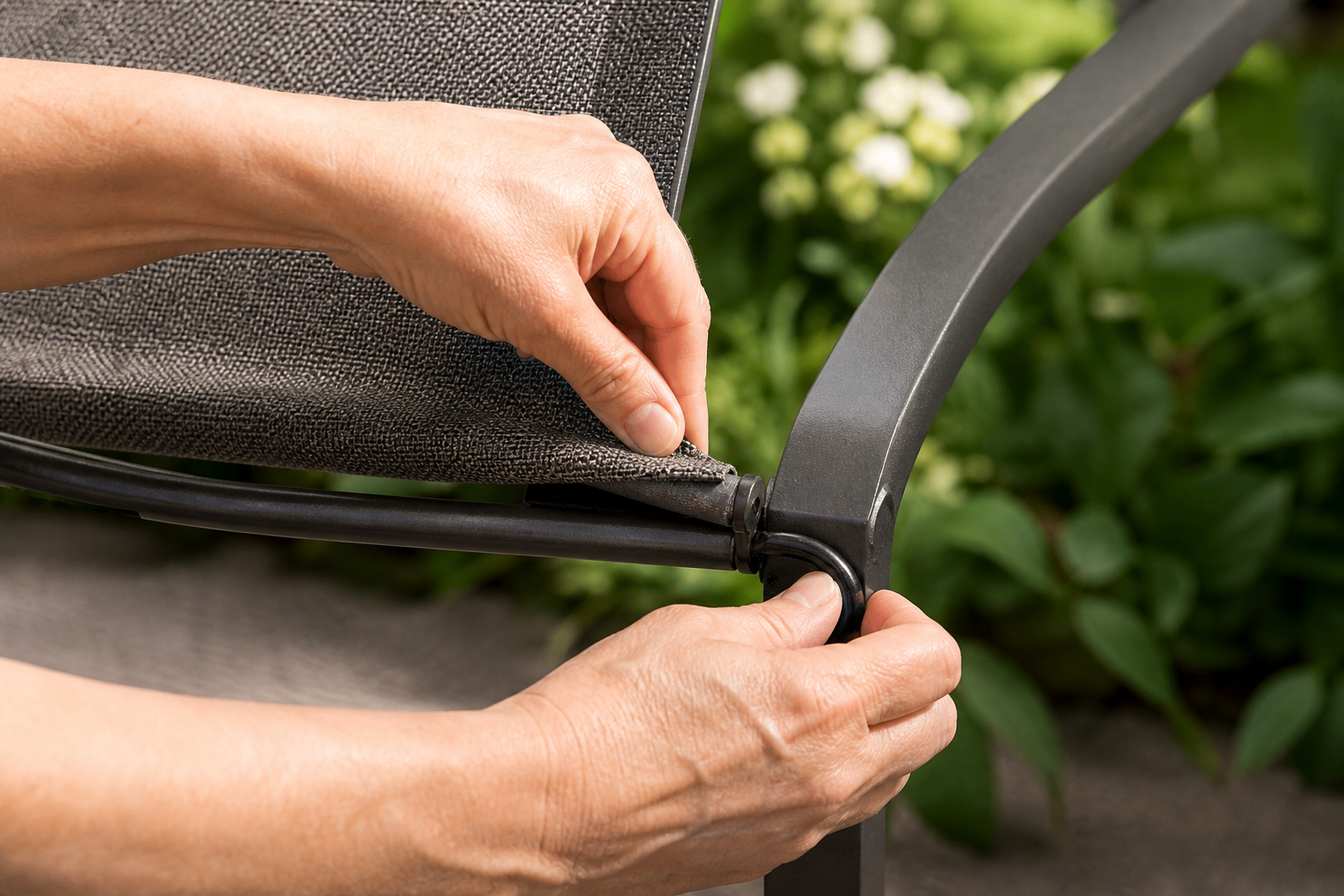
Beyond visible sagging, you might also feel the frame of the chair more prominently through the fabric, indicating a lack of support. The chair may also feel less stable or secure. Inspect the spline (the cord that holds the fabric in the frame channels) for signs of wear or slippage, as this can also contribute to looseness.
Signs That a Sling Chair Needs Fixing
- Visible Sagging: The fabric sags significantly when unoccupied.
- Discomfort: The chair no longer provides firm support and feels like you’re sinking.
- Frame Prominence: You can feel the chair’s frame through the stretched fabric.
- Loose Spline: The spline appears to be pulling out of the frame channels.
- Fabric Wear: Fading, fraying, or minor tears in the fabric, indicating overall degradation.
DIY Sling Sagging Fixes: 7 Proven Methods
For those who enjoy hands-on projects, several DIY Sling Sagging Fixes can revitalize your patio chairs. These methods range from temporary adjustments to more permanent solutions, depending on the extent of the damage and your comfort level with repairs.
Before attempting any fix, always ensure you have the right tools and materials. Safety is paramount, so wear appropriate protective gear, such as gloves and eye protection. A clean, flat workspace will also make the process much smoother.
1. Temporary Fixes for Sagging Patio Chair Slings
Are there temporary fixes for sagging patio chair slings? Yes, for minor sagging, you can try placing a firm cushion underneath the sling to provide extra support. While this doesn’t fix the sling itself, it can improve comfort. Another temporary solution involves using fabric clips or clamps along the edges of the sling to pull it tighter, though this is often more of an aesthetic patch than a structural repair.
2. Tightening a Loose Sling on a Patio Chair
How do you tighten a loose sling on a patio chair? This often involves disassembling the chair’s rails. Carefully remove the end caps and bolts that secure the fabric rails. With the rails loosened, you can attempt to pull the existing fabric tighter before reinserting the spline and reassembling the chair. This method works best for slings with minimal stretching.
3. Replacing the Spline
Sometimes, the spline itself can shrink or degrade, leading to a loose sling. Replacing the spline with a new, slightly thicker one can help restore tension. You’ll need to remove the old spline, stretch the fabric as much as possible, and then use a spline roller to insert the new spline firmly into the fabric channels.
4. Using a Heat Gun (with caution)
A heat gun can sometimes be used to gently shrink certain types of sling fabric. This method requires extreme caution to avoid melting or damaging the fabric. Apply heat evenly and briefly, testing a small, inconspicuous area first. This is generally considered a temporary or last-resort fix.
5. Patching Minor Tears
Can you repair a torn or stretched sling fabric? Minor tears can sometimes be mended with specialized outdoor fabric repair kits or strong adhesive patches. However, this is usually a temporary solution and may not restore the fabric’s original strength or appearance. For severely torn or excessively stretched fabric, a full replacement is recommended.
6. Reinforcing with Additional Fabric
For localized sagging, some DIY enthusiasts add a strip of matching or contrasting fabric underneath the existing sling, securing it with strong outdoor adhesive or stitching. This adds a layer of support, but it can alter the chair’s original look and feel. This is another one of the creative Sling Sagging Fixes.
7. Complete Sling Fabric Replacement
For significant sagging, tears, or extensive fabric degradation, a complete sling fabric replacement is the most effective and durable solution. This involves removing the old fabric, measuring and cutting new fabric, and then installing it with new spline. This method effectively makes your chair feel brand new again.
Restore Your Patio Chairs: Expert Sling Sagging Fixes from American Slings and Patio Supplies
Don’t let sagging slings ruin your outdoor comfort. American Slings and Patio Supplies offers high-quality custom replacement slings and DIY parts, ensuring your furniture looks and feels new.
Beyond DIY: Professional Sling Sagging Fixes
While DIY methods can be effective for minor issues, sometimes the best approach for lasting Sling Sagging Fixes is to seek professional help. This is especially true for complex chair designs, severely damaged slings, or if you simply prefer expert craftsmanship.
Professional services offer precision, access to high-quality materials, and the experience to handle various types of patio furniture. They can ensure a perfect fit and finish, often extending the life of your chairs significantly. This is often the most cost-effective long-term solution.
How Much Does Professional Sling Repair Cost?
The cost of professional sling repair varies depending on the type of chair, the fabric chosen, and the labor involved. Generally, it is significantly cheaper to replace just the sling fabric rather than the entire chair, especially if the frame is in good condition. Expect costs to range from $75 to $200 per chair for fabric replacement, excluding shipping if applicable. This investment revitalizes your furniture for a fraction of the cost of buying new.
Who Offers Sling Repair Services for Outdoor Furniture?
Many specialized patio furniture repair shops, upholstery businesses, and outdoor living stores offer sling repair services. Search online for
What causes sling patio furniture to sag?
Sling patio furniture typically sags due to continuous exposure to UV rays, weather elements, and prolonged use. Over time, the fabric fibers, often PVC-coated polyester, lose their elasticity and stretch. Poor quality fabric, insufficient tension during installation, or weakened frame components can also contribute to premature sagging.
Regular wear and tear naturally contribute to the fabric’s stretching and eventual loss of tautness.
How do you tighten a loose sling on a patio chair?
Tightening a loose sling often involves disassembling the chair’s rails, stretching the existing fabric, and reinserting the spline. For significant sagging, a complete sling replacement is usually the most effective and lasting solution. While some temporary DIY methods exist, they rarely provide the long-term tautness and aesthetic appeal of a new, custom-fitted sling.
Can you repair a torn or stretched sling fabric?
While minor tears can sometimes be mended with fabric repair kits or patches, this is often a temporary fix and may compromise the fabric’s integrity and appearance. Severely torn or excessively stretched sling fabric is generally not repairable in a way that restores its original strength and tautness. In such cases, replacing the entire sling fabric is the recommended and most durable solution to ensure comfort and safety.
What materials are needed to fix sagging outdoor slings?
To fix sagging outdoor slings effectively, you’ll primarily need new sling fabric, spline (the cord that secures the fabric into the frame channels), and specific tools like a spline roller, a rubber mallet, and a pair of sturdy clamps. Measuring tools are also crucial for accurate cuts. Quality replacement materials ensure a lasting repair.
What is the best type of fabric for durable patio slings?
The best type of fabric for durable patio slings is typically a high-quality, marine-grade PVC-coated polyester, such as Sunbrella sling fabric. These materials are engineered for outdoor use, offering excellent resistance to UV degradation, mildew, fading, and stretching. They maintain their tautness and vibrant color significantly longer than standard outdoor fabrics, providing superior longevity.
Is it cheaper to replace the entire sling chair or just the fabric?
In most cases, it is significantly cheaper and more environmentally friendly to replace just the sling fabric rather than the entire chair, especially if the frame is still in good condition. New sling fabric can completely revitalize an old chair for a fraction of the cost of a brand-new piece of furniture, extending its life and saving you money.
How long does a new sling fabric typically last?
The lifespan of a new sling fabric largely depends on its quality, exposure to elements, and frequency of use. High-quality, UV-resistant sling fabrics like those made from Sunbrella materials can last anywhere from 7 to 15 years or even longer with proper care and maintenance. Cheaper fabrics may only last 2-5 years before showing signs of wear and sagging.
Learn more from authoritative resources: Consumer Reports and HGTV.