

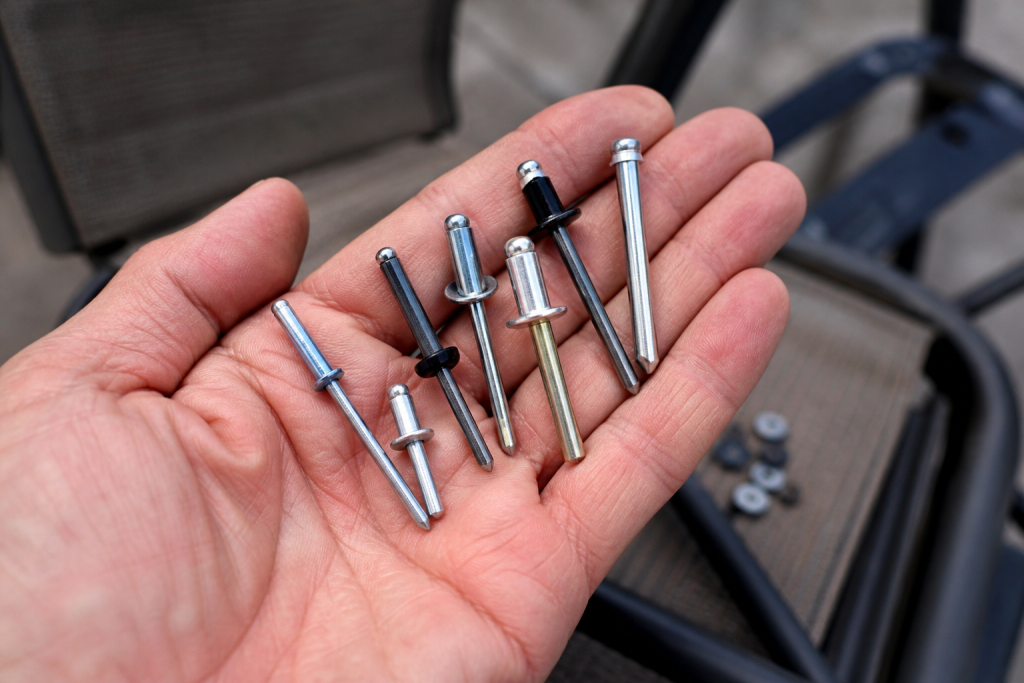
Rivet grip range: 6 Expert Tips for Rattle-Free Repairs
Achieving a truly secure and lasting repair for your patio furniture hinges on one critical factor: selecting the correct rivet grip range. This essential measurement ensures a tight, durable connection that prevents frustrating rattles and premature wear, keeping your outdoor pieces stable for years to come. At American Slings and Patio Supplies, we understand that precision in fasteners is just as important as the quality of your slings or straps.
When you’re undertaking a DIY repair, whether it’s for a beloved Brown Jordan chaise or a sturdy Hampton Bay dining chair, the integrity of each joint matters. This guide provides 6 expert tips to help you master rivet selection, ensuring every repair you make is strong, silent, and built to last.
Key Takeaways
- Understand that this measurement is the total material thickness a rivet can securely fasten, crucial for preventing loose joints.
- Learn to accurately measure combined material thickness using a caliper for precise rivet selection.
- Recognize the consequences of incorrect grip range, such as rattling, weakened structures, and premature fastener failure.
- Discover the versatility of multi-grip rivets, which accommodate a broader range of material thicknesses for varied repair needs.
- Follow a step-by-step process to calculate the ideal grip range, ensuring optimal compression and a secure fit.
- Access high-quality rivets and expert guidance from American Slings and Patio Supplies for all your outdoor furniture repair projects.
Understanding Rivet Grip Range: What It Is and Why It’s Crucial
The grip is the total thickness of the materials that a rivet can securely fasten together. Imagine it as the sweet spot where the rivet’s body can compress and expand perfectly, creating a tight and durable joint. This measurement is not just a suggestion; it is a critical specification that dictates the success and longevity of any riveted connection.
Selecting the correct grip range is paramount for creating a strong, rattle-free connection in your patio furniture. An improperly sized rivet will either fail to secure the materials adequately or deform them, leading to a weak joint. For specialized providers like American Slings and Patio Supplies, ensuring customers have access to the right components means emphasizing this detail for every repair.
Without the correct grip range, your repair could quickly become a source of frustration. Loose joints lead to wobbly furniture, which can compromise safety and comfort. Furthermore, an ill-fitting rivet can cause premature failure of the fastener itself or even damage the surrounding materials, turning a simple repair into a more complex problem. This is why understanding and applying the concept of grip range is fundamental to durable outdoor furniture restoration.
Accurate Measurement: How to Measure Material Thickness for the Perfect Rivet Grip
Accurate measurement is the cornerstone of selecting the right rivet. To determine the precise material thickness for your rivet’s grip, you must measure all components that will be joined together. This includes any washers, brackets, or frame pieces that the rivet will pass through.
Begin by stacking all these components exactly as they will be assembled. Use a caliper or micrometer to measure their combined thickness. For instance, if you are joining two pieces of aluminum tubing, each 0.0625 inches thick, your total material thickness would be 0.125 inches. Aim for precision down to at least 0.001 inch for optimal results.
This precise measurement is essential for selecting a rivet with an appropriate grip range to ensure a snug fit. At American Slings and Patio Supplies, we empower our customers with detailed how-to-measure guides, ensuring you have the confidence and tools to get these critical dimensions right. Taking the extra minute to measure correctly can save hours of re-work and ensure a lasting repair.
Avoiding Rattles: What Happens with the Wrong Rivet Grip Range?
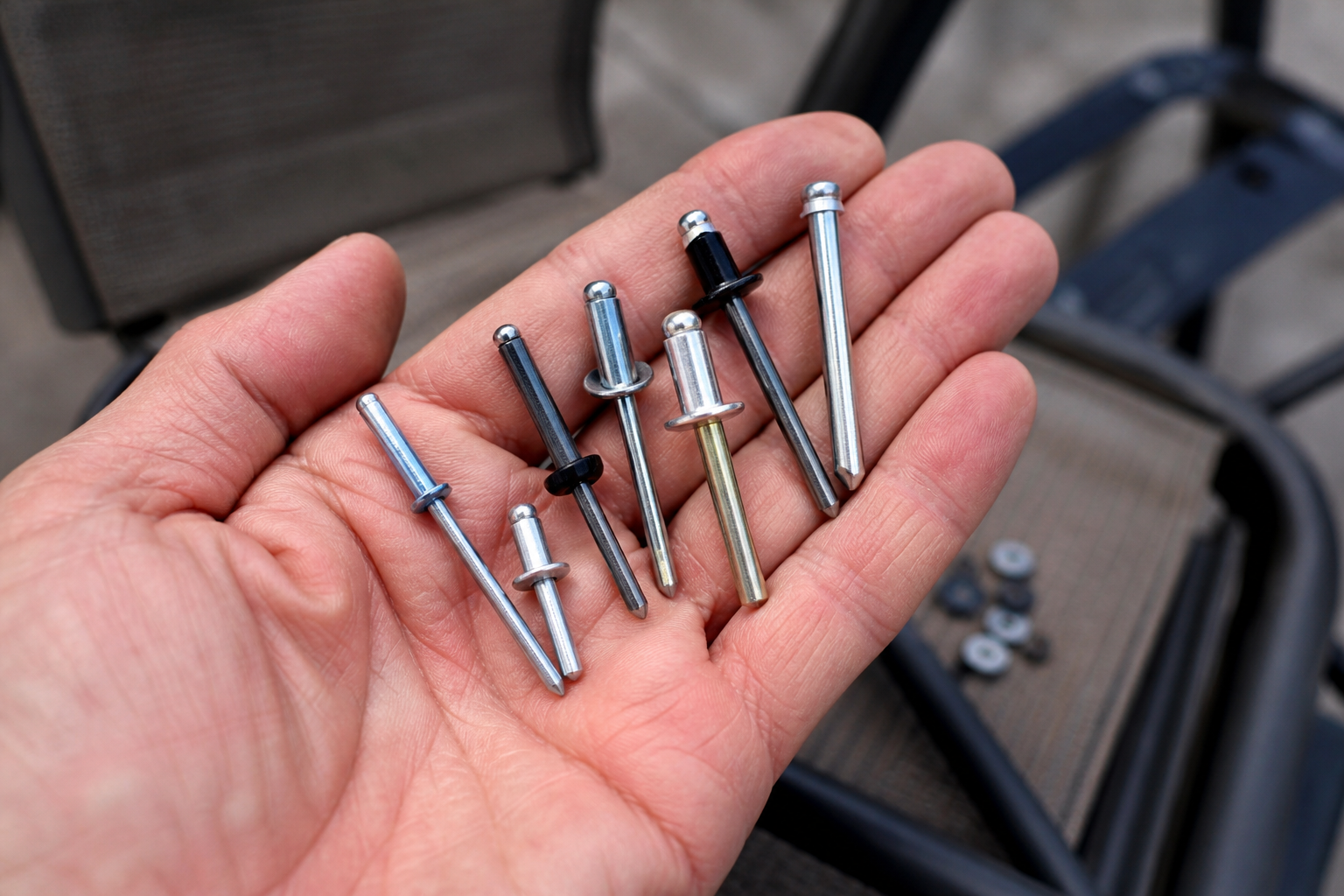
Using a rivet with an incorrect grip range can lead to a host of problems, most notably the dreaded rattle in your patio furniture. If the rivet’s grip range is too short for the material thickness, the rivet will fail to properly set and expand. This results in an incomplete or weak fastening, leaving the joint unsecured and susceptible to loosening.
Imagine repairing a Tropitone chair arm, only to find it wobbly and noisy after a few weeks. This common scenario often stems from a rivet that couldn’t fully compress the materials. The rivet head might appear set, but the blind side hasn’t formed a strong enough bulge to clamp the materials tightly, creating a gap that allows for movement and, inevitably, rattling.
Conversely, if a rivet has an excessively oversized grip range for thinner material, it can also lead to issues. While it might seem like “more grip is better,” an oversized rivet can result in improper setting, creating a loose joint or insufficient clamping force. This could lead to a less durable repair, potential material damage, and still, that annoying rattle.
For specific furniture brands like Hanamint, where precise fastener solutions are often required, getting the grip range right is non-negotiable for a lasting, quiet repair.
Choosing the Right Rivet Type: Exploring Versatile and Multi-Grip Applications
The world of rivets offers various types, each designed for specific applications and material thicknesses. Understanding these differences is key to selecting the ideal fastener for your project. When considering the grip, multi-grip rivets stand out for their versatility.
Multi-grip rivets are engineered to accommodate a wider range of material thicknesses than standard rivets. This flexibility makes them incredibly useful for varied repair projects, such as those encountered in patio furniture restoration where material thicknesses might vary slightly across different components or brands. Their design allows them to form a secure, expanded blind side over a broader spectrum of grip lengths.
Here are some benefits of multi-grip rivets:
- Reduced Inventory: Their wider grip range means you might need fewer distinct rivet sizes on hand, simplifying your repair kit.
- Increased Forgiveness: They offer a greater margin for error in measurement, which can be helpful for DIY enthusiasts.
- Stronger Joints: Often designed to provide a larger blind-side footprint, distributing the load more effectively across the joined materials.
- Versatility: Ideal for joining dissimilar materials or when material thickness is hard to measure precisely.
Beyond multi-grip options, American Slings and Patio Supplies offers an extensive inventory of miscellaneous replacement parts, including various types of rivets. We ensure you can find the exact fasteners needed for durable, rattle-free outdoor furniture repairs, no matter the brand or specific requirement.
Calculating Your Needs: How to Determine the Ideal Grip Range for Lasting Repairs
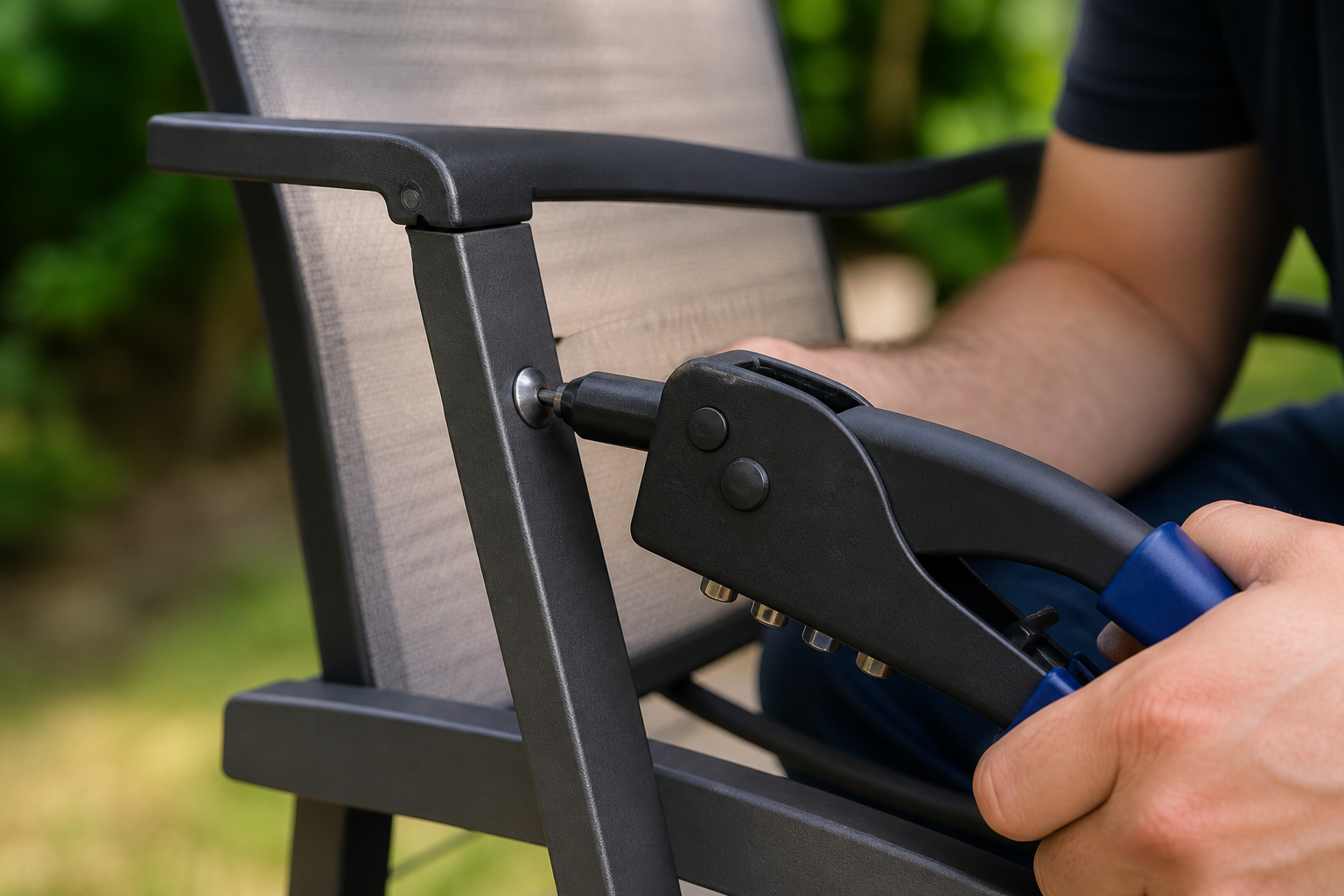
Determining the ideal grip range for your riveting application is a straightforward process that ensures a secure and lasting repair. This calculation is crucial for preventing loose connections and maintaining the structural integrity of your outdoor furniture. By following a few simple steps, you can confidently select the right rivet every time.
Here’s a clear, step-by-step process:
- Gather All Materials: Collect every component that the rivet will pass through, including the frame pieces, brackets, and any washers.
- Stack and Measure: Stack these materials together in the exact order they will be assembled. Use a precision measuring tool like a caliper or micrometer to determine their combined total thickness. For example, if you are fastening a 0.08-inch thick bracket to a 0.12-inch thick chair frame, your total measured thickness is 0.20 inches.
- Consult Rivet Specifications: Once you have your total measured thickness, refer to the manufacturer’s grip range chart for the specific type of rivet you intend to use. Each rivet will have a clearly defined minimum and maximum grip range.
- Select the Perfect Match: Choose a rivet whose specified grip range squarely encompasses your total measured thickness. For instance, if your total thickness is 0.20 inches, a rivet with a grip range of 0.187 to 0.250 inches would be an excellent choice. Avoid rivets where your measured thickness falls outside this range, especially if it’s too close to the minimum or maximum.
This careful calculation ensures optimal compression and secure fastening without over- or under-tightening. Our custom-made patio chair slings and vinyl straps, manufactured in the USA, are designed for durability, and pairing them with correctly selected rivets from American Slings and Patio Supplies ensures your entire repair is of the highest quality.
Sourcing Quality Rivets and Expert Advice for Your Rattle-Free Repairs
Finding the right rivets for your specific grip range requirements is crucial for durable, rattle-free outdoor furniture repairs. Since 2008, American Slings and Patio Supplies has been a specialized provider of high-quality replacement components and materials for outdoor furniture, including a wide selection of rivets designed for various applications.
We understand the importance of precise rivets for lasting repairs, especially when dealing with specific furniture brands like Brown Jordan, Tropitone, or Hanamint. Our extensive parts inventory includes not only custom-made slings and vinyl straps but also a comprehensive array of miscellaneous replacement parts, such as end caps, feet glides, brackets, specialty tools, and, of course, the exact rivets you need.
You can reliably source high-quality rivets directly through American Slings and Patio Supplies. We provide detailed product specifications and, through our DIY empowerment initiatives, offer installation guides that help you confidently select and use the proper rivets. This commitment ensures that your repair projects are built to last, providing years of enjoyment without the annoyance of loose, rattling components.
Find the Perfect Rivets for Your Patio Furniture Repairs
At American Slings and Patio Supplies, we provide a wide selection of high-quality rivets and replacement parts, ensuring your outdoor furniture projects are built to last with confidence.
We pride ourselves on offering parts that meet the rigorous demands of outdoor living. By choosing American Slings and Patio Supplies, you gain access to not just products, but also the expertise to make informed decisions for your furniture’s longevity. For those seeking to deepen their understanding of fasteners, a comprehensive resource like the Fastenal Technical Reference Guide can offer additional insights into various fastener types and their applications.
Achieving Stability with the Right Rivet Grip
Understanding this concept is fundamental to achieving durable, rattle-free repairs for your patio furniture. By accurately measuring material thickness, understanding rivet types, and calculating your needs, you ensure every fastener contributes to the stability and longevity of your outdoor pieces. This attention to detail transforms a simple repair into a lasting restoration.
For all your outdoor furniture repair needs, including a wide selection of high-quality rivets and expert guidance, turn to American Slings and Patio Supplies. We are here to help you make informed choices and achieve professional-grade results.
What exactly is its grip?
This refers to the total thickness of the materials a rivet can securely fasten together. It’s the permissible combined material thickness that the rivet’s body can compress and expand within, ensuring a tight and durable joint.
Why is selecting the correct grip crucial for secure fasteners?
Choosing the correct grip range is vital for creating a strong, rattle-free connection. An incorrect grip range can lead to loose joints, premature failure, or even damage to the materials being joined, compromising the integrity of your patio furniture repair.
How do you accurately measure material thickness for rivet grip?
To accurately measure material thickness, stack all components that will be joined and measure their combined thickness using a caliper or micrometer. This precise measurement is essential for selecting a rivet with an appropriate grip range to ensure a snug fit.
What are the benefits of using multi-grip rivets?
Multi-grip rivets are highly versatile, designed to accommodate a wider range of material thicknesses than standard rivets. This flexibility can simplify inventory and reduce the risk of selecting an incorrect rivet, making them ideal for varied repair projects, such as those encountered in patio furniture restoration.
How do you calculate the required grip range for a specific riveting application?
Calculating the required grip range involves summing the thicknesses of all materials to be joined. Always select a rivet whose specified grip range squarely encompasses this total measured thickness, ensuring optimal compression and secure fastening without over- or under-tightening.
Where can I find a comprehensive grip range chart for different rivet types?
Comprehensive grip range charts are typically available from rivet manufacturers or specialized suppliers like American Slings and Patio Supplies. These charts provide detailed specifications, helping you match the right rivet to your material thickness for optimal performance.
Can I use a rivet with an oversized grip range for a thinner material?
Using a rivet with an excessively oversized grip range for thinner material is not recommended. It can result in improper setting, creating a loose joint, or insufficient clamping force, which could lead to a less durable repair and potential rattling or component failure.
What problems arise from having too short a grip?
If a rivet’s grip range is too short for the material thickness, the rivet will fail to properly set and expand. This results in an incomplete or weak fastening, leaving the joint unsecured, susceptible to loosening, and unable to bear the intended load.
What is the typical grip range for rivets used in patio furniture?
The typical grip range for rivets in patio furniture varies widely depending on the specific furniture design and materials, such as aluminum, steel, or plastics. It’s crucial to measure the exact thickness of your components to select the appropriate rivet for a lasting repair, rather than relying on general estimates.
What are the different tools needed to measure or check this?
To accurately measure or check rivet grip range, essential tools include calipers, micrometers, and sometimes dedicated rivet gauges. These instruments ensure precise thickness measurements of your materials, which is fundamental for selecting the correct rivet specification for any repair job.
What exactly is rivet grip range?
Rivet grip range refers to the total thickness of the materials a rivet can securely fasten together. It’s the permissible combined material thickness that the rivet’s body can compress and expand within, ensuring a tight and durable joint.
Why is selecting the correct rivet grip range crucial for secure fasteners?
Choosing the correct grip range is vital for creating a strong, rattle-free connection. An incorrect grip range can lead to loose joints, premature failure, or even damage to the materials being joined, compromising the integrity of your patio furniture repair.
How do you accurately measure material thickness for rivet grip?
To accurately measure material thickness, stack all components that will be joined and measure their combined thickness using a caliper or micrometer. This precise measurement is essential for selecting a rivet with an appropriate grip range to ensure a snug fit.
What are the benefits of using multi-grip rivets?
Multi-grip rivets are highly versatile, designed to accommodate a wider range of material thicknesses than standard rivets. This flexibility can simplify inventory and reduce the risk of selecting an incorrect rivet, making them ideal for varied repair projects, such as those encountered in patio furniture restoration.
How do you calculate the required grip range for a specific riveting application?
Calculating the required grip range involves summing the thicknesses of all materials to be joined. Always select a rivet whose specified grip range squarely encompasses this total measured thickness, ensuring optimal compression and secure fastening without over- or under-tightening.
Where can I find a comprehensive grip range chart for different rivet types?
Comprehensive grip range charts are typically available from rivet manufacturers or specialized suppliers like American Slings and Patio Supplies. These charts provide detailed specifications, helping you match the right rivet to your material thickness for optimal performance.
Can I use a rivet with an oversized grip range for a thinner material?
Using a rivet with an excessively oversized grip range for thinner material is not recommended. It can result in improper setting, creating a loose joint, or insufficient clamping force, which could lead to a less durable repair and potential rattling or component failure.
What problems arise from having too short a rivet grip range?
If a rivet’s grip range is too short for the material thickness, the rivet will fail to properly set and expand. This results in an incomplete or weak fastening, leaving the joint unsecured, susceptible to loosening, and unable to bear the intended load.
What is the typical grip range for rivets used in patio furniture?
The typical grip range for rivets in patio furniture varies widely depending on the specific furniture design and materials, such as aluminum, steel, or plastics. It’s crucial to measure the exact thickness of your components to select the appropriate rivet for a lasting repair, rather than relying on general estimates.
What are the different tools needed to measure or check rivet grip range?
To accurately measure or check rivet grip range, essential tools include calipers, micrometers, and sometimes dedicated rivet gauges. These instruments ensure precise thickness measurements of your materials, which is fundamental for selecting the correct rivet specification for any repair job.