

Maximizing Fabric Samples: 7 Proven Ways to Perfect Your Patio Design
Transforming your outdoor living space into a personal oasis begins with thoughtful design, and a critical step in this process is Maximizing Fabric Samples. These small swatches hold immense potential, guiding your choices for upholstery, cushions, and accents. They are far more than just tiny pieces of cloth; they are essential tools for visualizing textures, colors, and durability in real-world settings.
Ignoring the strategic use of fabric samples can lead to costly mistakes and a patio that doesn’t quite match your vision. This guide will reveal seven proven strategies to leverage these valuable resources effectively. By adopting these methods, you can ensure every fabric choice enhances your patio’s aesthetic and functionality, creating a truly perfect outdoor retreat.
Key Takeaways for Maximizing Fabric Samples
- Learn systematic organization methods to efficiently manage your fabric sample collection.
- Discover innovative ways to use samples for creating impactful mood boards and design concepts.
- Understand the importance of testing samples in various lighting and environmental conditions.
- Explore how digital tools can streamline your fabric inventory and project management.
- Embrace sustainable practices by repurposing and recycling old or excess fabric samples.
- Gain insight into selecting the right materials by thoroughly understanding fabric properties.
- Utilize small-scale mock-ups to visualize design elements before committing to full-scale production.
The Power of Maximizing Fabric Samples in Patio Design
The journey to a beautifully designed patio often starts with a single vision. However, translating that vision into reality requires careful consideration of materials, especially fabrics. Maximizing Fabric Samples is not just about collecting swatches; it’s about strategically using them to make informed decisions that impact the comfort, aesthetics, and longevity of your outdoor space. These samples allow you to experience the tactile qualities and visual nuances of each textile before making a significant investment.
Effective strategies for maximizing the utility of fabric samples involve more than just looking at them. It means understanding how they interact with light, how their texture feels, and how their colors will appear under different conditions. This proactive approach prevents costly reworks and ensures your final patio design is cohesive and perfectly tailored to your desires. It’s a fundamental step for any successful outdoor design project.
Strategy 1: Systematic Organization for Maximizing Fabric Samples
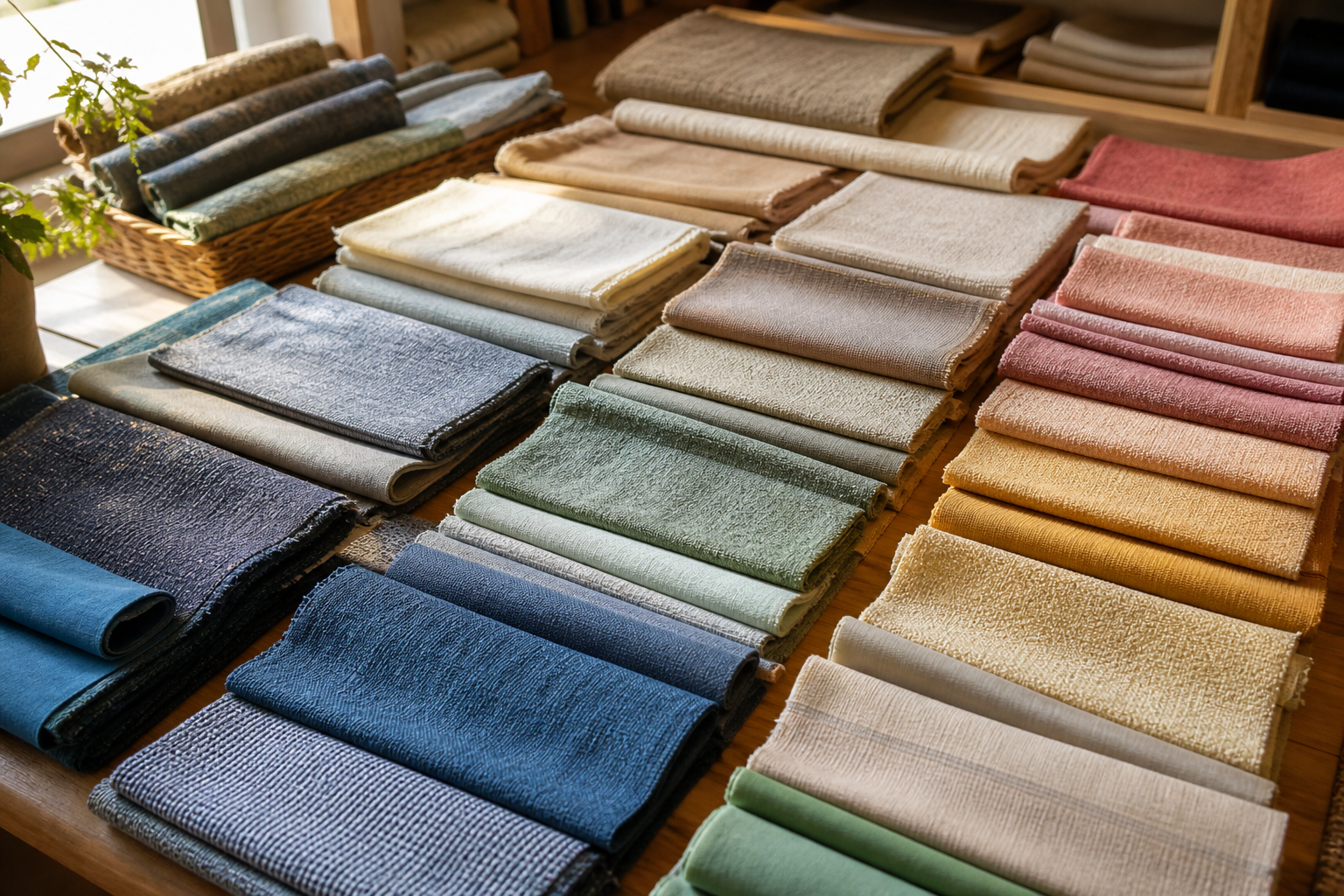
One of the most effective ways to begin Maximizing Fabric Samples is through meticulous organization. A well-structured system saves time, reduces frustration, and ensures you can quickly find the perfect material for any project. Interior designers, in particular, understand the value of a streamlined sample library.
How can interior designers best organize their fabric sample collections? Start by categorizing samples by color family, material type (e.g., Sunbrella acrylic, vinyl mesh), and supplier. Label each sample clearly with its collection name, pattern number, and care instructions. This detailed labeling is crucial for efficient retrieval and reordering. Durable storage solutions for large volumes of fabric samples include commercial-grade shelving, flat file cabinets, or specialized textile storage boxes that protect materials from light and dust.
Modular display systems are also excellent for showcasing options while keeping them tidy.
Organizing Your Collection: A Key to Maximizing Fabric Samples
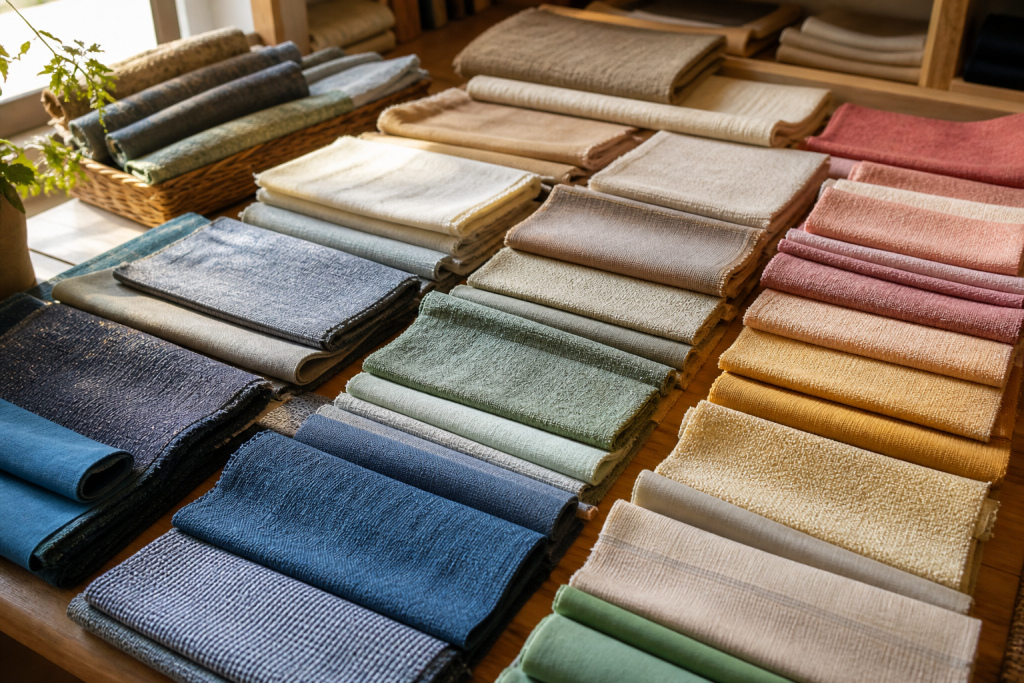
To truly maximize fabric samples, consider binders with clear pockets or labeled drawers for smaller swatches. For larger pieces, hanging systems can prevent creases and allow for easy browsing. Regularly review your collection, discarding outdated or irrelevant samples to maintain efficiency. This curation process ensures your library remains current and focused on your design needs, making every selection process smoother.
Strategy 2: Creative Mood Boards with Maximizing Fabric Samples
Beyond simple selection, Maximizing Fabric Samples involves using them as dynamic tools for creative expression. Mood boards are invaluable for visualizing how different elements will come together in your patio design. They help you explore color palettes, textures, and overall ambiance before making final commitments.
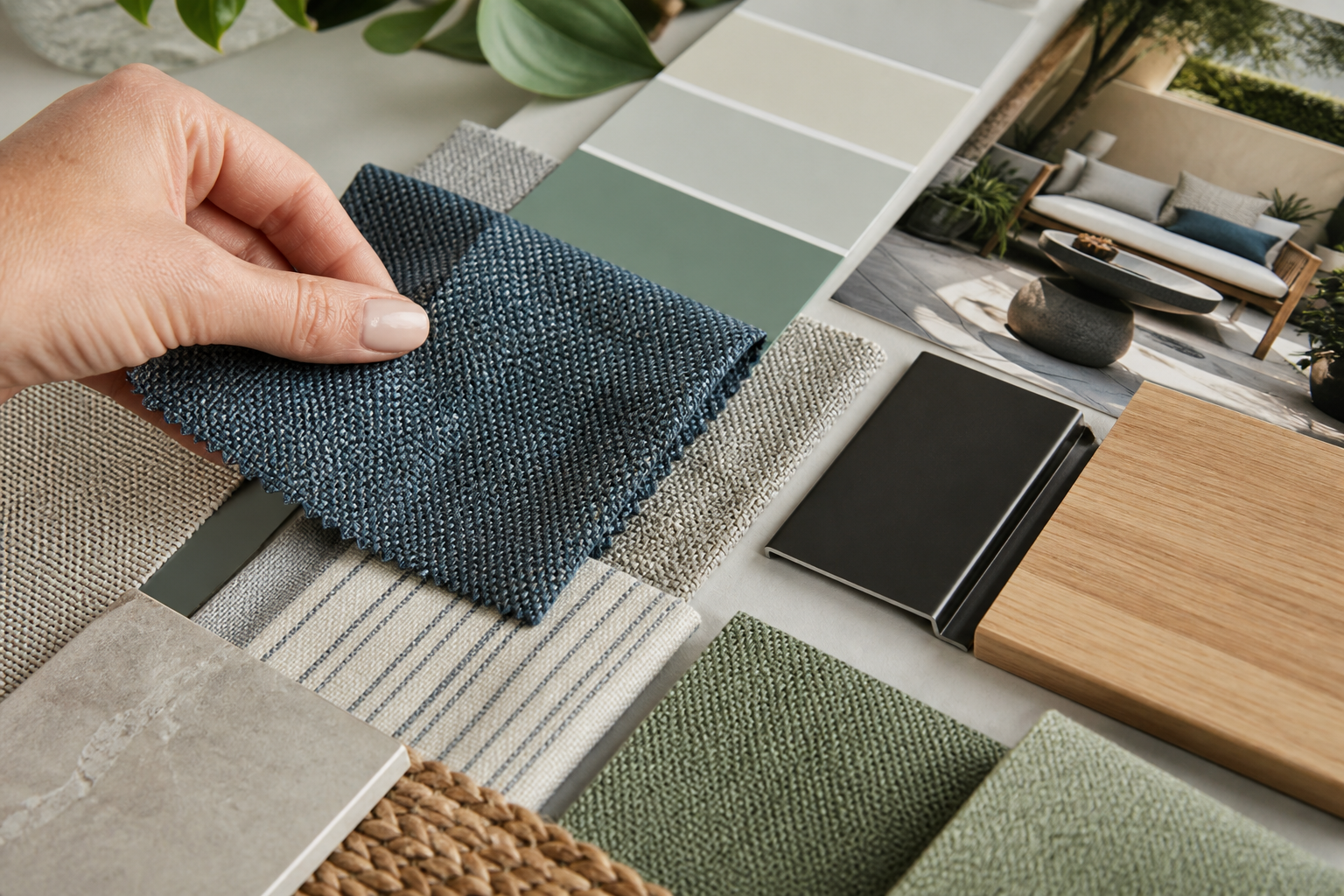
How to create engaging mood boards using a limited number of fabric samples? Focus on key pieces. Use larger swatches of primary fabrics, like those for cushions, and smaller accents for pillows or decorative elements. Incorporate paint swatches, material finishes (wood, metal), and inspirational images to build a comprehensive visual story. This approach allows even a few samples to convey a rich design narrative, ensuring your patio reflects a cohesive aesthetic.
Crafting Vision Boards with Maximizing Fabric Samples
When crafting your vision board, arrange samples to simulate how they might appear on your patio furniture. Observe how different textures play off each other and how colors shift when placed side-by-side. This hands-on process is vital for understanding the full impact of your choices, leading to a more harmonious and appealing outdoor space.
Strategy 3: Testing and Evaluation for Maximizing Fabric Samples
The real test of any outdoor fabric is how it performs in its intended environment. Maximizing Fabric Samples means taking them outside and observing them under various conditions. This step is often overlooked but is crucial for making confident design decisions.
Place your samples directly on your patio or in the area where the furniture will reside. Observe them at different times of day—morning, noon, and evening—to see how natural light affects their color and texture. Consider how they look under shaded conditions versus direct sunlight. This practical evaluation helps you understand the true visual impact of each fabric, ensuring your selections will look as stunning in reality as they do in your imagination.
Real-World Assessment for Maximizing Fabric Samples
Beyond light, consider environmental factors. If possible, expose a small corner of a sample to typical outdoor conditions to gauge its resistance to moisture or fading. While most outdoor fabrics are designed for durability, a brief real-world assessment can provide additional peace of mind. This diligent testing is a hallmark of truly maximizing your fabric samples.
Maximize Your Patio Design with American Slings & Patio Supplies
Explore our premium Sunbrella fabrics and custom slings to bring your outdoor vision to life. We offer free fabric samples to ensure your perfect patio aesthetic.
Strategy 4: Digital Inventory for Maximizing Fabric Samples
In today’s fast-paced design world, digital tools offer powerful advantages for Maximizing Fabric Samples. Moving beyond physical organization, a digital inventory system can revolutionize how you manage and access your fabric collection, especially for large volumes.
What innovative tools or software exist for digital fabric sample inventory? Specialized inventory management software for textiles, often integrating barcode scanning or RFID technology, is available. Mobile apps allow for on-the-go cataloging with photo uploads, material specifications, and supplier information. Cloud-based platforms enable collaborative access, making it easier for design teams to share and track fabric sample usage and availability. This digital approach enhances efficiency and reduces the risk of misplacing valuable samples.
Streamlining Management with Digital Tools for Maximizing Fabric Samples
Efficient management of fabric samples is crucial for product development and design firms. Digital systems prevent redundant ordering and ensure consistency across projects. They also allow for tracking the usage and return of borrowed fabric samples, which is vital for maintaining an accurate inventory. Companies specializing in custom fabric sample books or binders often integrate digital solutions to complement their physical products, offering a comprehensive management strategy. For more insights into textile technology, refer to resources like Textile World.
Strategy 5: Sustainable Practices for Maximizing Fabric Samples
As environmental consciousness grows, Maximizing Fabric Samples also extends to sustainable practices. Reducing waste and finding new uses for samples not only benefits the planet but can also spark creativity. This approach aligns with broader efforts to promote eco-friendly design.
What are the environmental benefits of maximizing and reusing fabric samples? It minimizes textile waste, reduces the demand for new materials, and lessens the environmental impact associated with manufacturing and disposal. Where can I recycle or repurpose old or excess fabric samples? Many textile recycling programs accept fabric scraps. You can also donate them to art schools, craft groups, or community centers for creative projects.
Small pieces are perfect for patchwork, mending, or even stuffing, while larger samples can become linings for bags or small decorative accents.
Repurposing and Recycling for Maximizing Fabric Samples
Embracing repurposing means viewing every sample as a potential resource rather than waste. This mindset not only supports sustainability but also encourages innovative thinking in your design process. By finding new life for these materials, you contribute to a more circular economy within the design industry.
Strategy 6: Understanding Material Properties with Maximizing Fabric Samples
A deep understanding of fabric properties is fundamental to Maximizing Fabric Samples for outdoor use. Different materials offer varying levels of durability, fade resistance, and comfort, all of which are critical for patio furniture. Your choice impacts both aesthetics and longevity.
When evaluating samples, consider the material composition. For outdoor applications, fabrics like Sunbrella acrylics are renowned for their UV resistance and colorfastness. Vinyl mesh fabrics offer excellent breathability and quick-drying properties, ideal for sling chairs. By comparing samples side-by-side and noting their specifications, you can make informed decisions that ensure your patio fabrics withstand the elements and maintain their beauty for years to come. This detailed assessment is a core part of effective sample utilization.
Selecting the Right Fabric for Maximizing Fabric Samples
Don’t just look at the color; feel the texture, assess the weave, and understand the performance characteristics. A fabric that looks beautiful indoors might not be suitable for outdoor exposure. By thoroughly examining these properties through your samples, you ensure your patio design is not only visually appealing but also highly functional and durable. This ensures the longevity of your investment.
Strategy 7: Small-Scale Mock-ups for Maximizing Fabric Samples
One of the most advanced ways of Maximizing Fabric Samples is to use them for small-scale mock-ups. This technique allows you to visualize how patterns, textures, and colors will translate onto actual furniture pieces, providing a tangible preview of your design.
For instance, if you’re designing custom cushions, you can create miniature versions using your fabric samples. This helps you assess how a pattern repeats, how the fabric drapes, or how different fabrics combine on a three-dimensional form. This step is particularly useful for complex designs or when combining multiple patterns, ensuring that the final product meets your expectations. It’s a practical way to test ideas before full production.
Visualizing Design Elements with Maximizing Fabric Samples
Small mock-ups can reveal potential issues that might not be apparent from a flat swatch or a mood board. They offer a unique perspective on scale and proportion, allowing you to fine-tune your choices for a truly bespoke patio design. This hands-on approach is invaluable for achieving precision and confidence in your material selections.
Elevate Your Patio with Maximizing Fabric Samples
The art of patio design is greatly enhanced by the strategic use of fabric samples. By implementing these seven proven strategies for Maximizing Fabric Samples, you transform simple swatches into powerful tools that guide your creative process. From meticulous organization and innovative mood boarding to rigorous testing and sustainable practices, each step contributes to a more informed and inspired design journey.
Remember, the goal is to create an outdoor space that is not only beautiful but also perfectly suited to your lifestyle and the demands of the environment.
Embrace the full potential of your fabric samples to ensure every choice is deliberate, every color is vibrant, and every texture is inviting. This thoughtful approach will culminate in a patio design that truly reflects your vision and provides lasting enjoyment. Start your journey to a perfect patio by thoughtfully Maximizing Fabric Samples today. Explore our premium Sunbrella fabrics and custom slings to bring your outdoor vision to life at American Slings & Patio Supplies.
What are effective strategies for maximizing the utility of fabric samples?
To truly maximize fabric samples, organize them systematically by color, texture, and material type. Label each sample with its supplier, collection, and relevant specifications. Utilize samples for creating detailed mood boards, testing against various lighting conditions in the intended space, and even for small-scale mock-ups. Regularly review and curate your collection, discarding outdated or irrelevant samples to maintain efficiency and focus on current trends and client needs.
How can interior designers best organize their fabric sample collections?
Interior designers can organize fabric sample collections using a variety of methods. Binders with clear pockets, labeled drawers, or categorized hanging systems are popular. Grouping by color families, material composition (e.g., Sunbrella acrylic, vinyl mesh), or project can streamline the selection process. Digital cataloging alongside physical organization, using photos and metadata, ensures easy retrieval and inventory management.
Why is efficient management of fabric samples crucial for product development?
Efficient fabric sample management is crucial for product development as it directly impacts decision-making, cost-efficiency, and speed to market. Streamlined access to samples allows designers to quickly compare options, confirm material suitability, and avoid delays in the prototyping phase. Accurate inventory prevents redundant ordering and ensures consistency across product lines, ultimately optimizing the entire development cycle.
Where can I find durable storage solutions for large volumes of fabric samples?
Durable storage solutions for large volumes of fabric samples include commercial-grade shelving units, flat file cabinets, and specialized textile storage boxes designed to protect materials from light, dust, and environmental damage. Modular systems allow for scalability, while clear containers or labeled bins make identification easy. Consider climate-controlled environments for delicate or high-value fabrics to prevent degradation over time.
What innovative tools or software exist for digital fabric sample inventory?
Innovative tools for digital fabric sample inventory include specialized inventory management software designed for textiles, often integrating barcode scanning or RFID technology. Apps for tablets and smartphones allow for on-the-go cataloging with photo uploads, material specifications, and supplier information. Cloud-based platforms enable collaborative access, making it easier for design teams to share and track fabric sample usage and availability.
How to create engaging mood boards using a limited number of fabric samples?
When working with a limited number of fabric samples, focus on creating impactful mood boards by incorporating complementary elements like paint swatches, texture images, and relevant furniture finishes. Use digital tools to virtually expand the design by adding more visual components. Emphasize the core characteristics of each sample – its texture, drape, and primary color – to tell a compelling story, using larger swatches of key fabrics and smaller accents of others.
Where can I recycle or repurpose old or excess fabric samples?
Old or excess fabric samples can be recycled or repurposed in several creative ways. Many textile recycling programs accept fabric scraps. For repurposing, consider donating them to art schools, craft groups, or community centers for creative projects. Small pieces can be used for patchwork, mending, or stuffing. Larger samples might find new life as linings for bags, small decorative accents, or even cleaning cloths, reducing waste.