

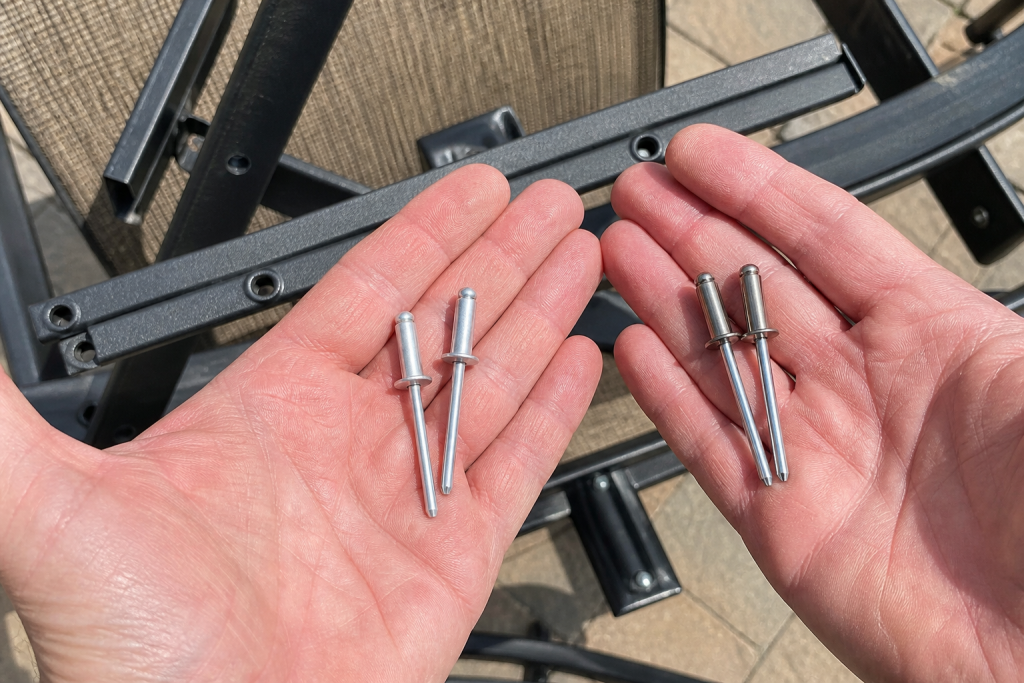
A successful Patio Rivets Comparison is essential for anyone tackling DIY patio furniture repairs. The right fasteners ensure durability, safety, and a lasting finish for your outdoor pieces. Without a clear understanding of the options, you risk choosing rivets that corrode quickly, fail under stress, or simply don’t provide the secure hold your furniture needs.
Key Takeaways
- Understand the critical differences between aluminum and stainless steel rivets for outdoor applications.
- Discover the 5 powerful secrets to selecting the ideal rivet type, size, and tool for any patio repair.
- Learn how to prevent common rivet failures through proper material selection and installation techniques.
- Identify reliable sources for purchasing high-quality patio rivets and essential repair kits.
Patio Rivets Comparison: 5 Powerful DIY Repair Secrets
When your beloved patio furniture shows signs of wear, a thoughtful Patio Rivets Comparison becomes your first step towards restoration. Choosing the correct rivet type is paramount, influencing everything from the repair’s longevity to its resistance against harsh outdoor elements. This guide will equip you with the knowledge to make informed decisions, ensuring your DIY repairs are not just quick fixes, but lasting solutions.
We will delve into the various types of rivets available, highlighting their unique properties and best-use cases for outdoor furniture. From understanding material strengths to mastering installation techniques, you will uncover the secrets to achieving professional-grade results right in your backyard. Get ready to revitalize your outdoor living space with confidence and precision.
Understanding Your Patio Rivets Comparison Options
Before diving into any repair, a thorough Patio Rivets Comparison is crucial. The market offers several types of rivets, each with distinct advantages and disadvantages for outdoor furniture. For most DIY enthusiasts, blind rivets (often called pop rivets) are the go-to choice due to their ease of installation, requiring access from only one side of the material. Solid rivets, while offering superior strength, are generally more complex and require specialized tools, making them less practical for home repairs.
Beyond the type, the material composition is a critical factor in any effective Patio Rivets Comparison. The environment your furniture resides in – be it a humid poolside, a salty coastal area, or a dry inland patio – will dictate the best material to prevent corrosion and ensure durability. Understanding these foundational elements will significantly impact the success and lifespan of your repair projects.
Aluminum Rivets: A Key Part of Any Patio Rivets Comparison
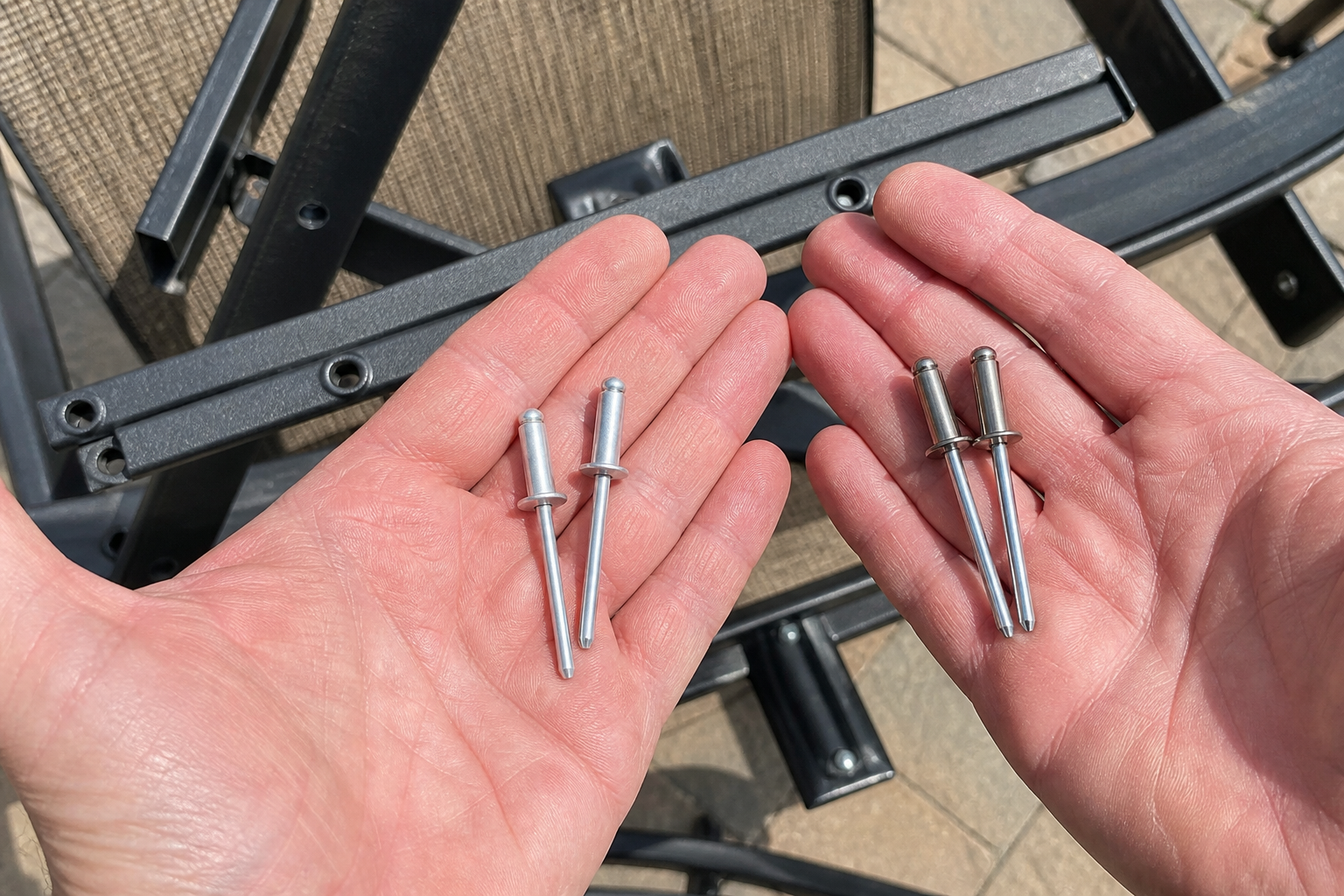
Aluminum rivets are arguably the most common choice for patio furniture repair, and for good reason. They are lightweight, naturally resistant to rust and general outdoor corrosion, and relatively inexpensive. Their malleability makes them easy to set with a standard hand-operated pop rivet gun, making them ideal for DIY projects. For many standard patio chairs, tables, and loungers, aluminum rivets provide a perfectly adequate and long-lasting solution.
However, it is important to note that while aluminum resists fresh water corrosion well, it can be susceptible to galvanic corrosion if used in direct contact with certain dissimilar metals, especially steel, in a moist environment. Always ensure you are replacing aluminum rivets with aluminum rivets, or if switching materials, consider the potential for adverse reactions. This careful consideration is vital for a successful Patio Rivets Comparison.
Stainless Steel Rivets in Your Patio Rivets Comparison
For applications demanding superior strength, abrasion resistance, and robust protection against saltwater corrosion, stainless steel rivets are the preferred option. Marine-grade stainless steel, such as 316, offers exceptional performance in harsh coastal environments where aluminum might eventually succumb to pitting or surface corrosion. While generally more expensive and harder to install, requiring more effort to drill and set, their longevity in challenging conditions often justifies the extra investment.
Stainless steel rivets are particularly suitable for structural components or furniture exposed to constant moisture or chemical treatments, like those found around swimming pools. When performing a Patio Rivets Comparison for heavy-duty or high-stress repairs, stainless steel should always be a strong contender. They provide peace of mind that your repair will withstand the test of time and elements.
The Ultimate Patio Rivets Comparison: Pros and Cons
Making an informed decision requires a clear understanding of the advantages and disadvantages of each rivet type. This detailed Patio Rivets Comparison table outlines the key characteristics of aluminum and stainless steel blind rivets, which are the most common for DIY patio furniture repair. Choosing wisely will save you time, effort, and money in the long run.
This detailed Patio Rivets Comparison highlights that while aluminum is a versatile and easy-to-use option for many, stainless steel offers a robust solution for more demanding environments. The best choice ultimately depends on your specific furniture material, the local climate, and the level of durability you require.
Ensuring Longevity: Preventing Failure in Your Patio Rivets Comparison
Rivet failure can be frustrating, leading to wobbly chairs and recurring repair needs. A key aspect of any effective Patio Rivets Comparison is understanding why rivets fail and how to prevent it. Common culprits include corrosion, improper installation, and using the wrong rivet for the job. By addressing these factors proactively, you can significantly extend the life of your patio furniture repairs.
One of the most frequent causes of failure is galvanic corrosion, which occurs when dissimilar metals are in contact in the presence of an electrolyte (like moisture). For instance, using steel rivets in an aluminum frame is a recipe for disaster, as the aluminum will corrode rapidly. Always match your rivet material to your frame material, or use appropriate insulating washers if mixing is unavoidable. This attention to detail is a powerful secret to lasting repairs.
Choosing the Right Rivet Gun for Your Patio Rivets Comparison
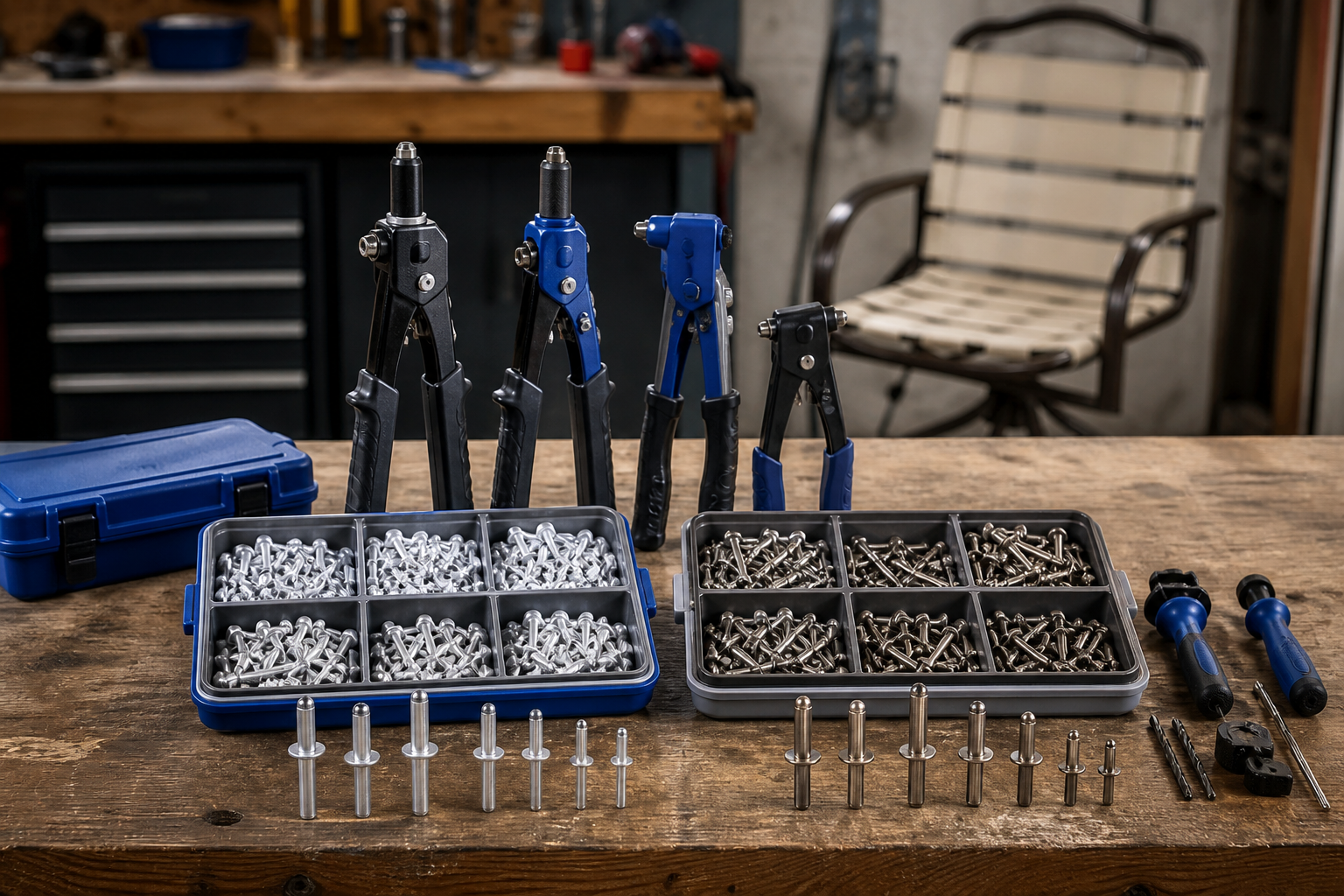
The tool you use is just as important as the rivet itself. For most DIY patio furniture repairs, a manual hand-operated pop rivet gun is sufficient. These are affordable, easy to use, and effective for aluminum and smaller stainless steel rivets. For more extensive projects, larger rivets, or tougher materials, a lever-style manual rivet gun or even a pneumatic (air-powered) rivet gun can offer greater efficiency and reduce physical effort.
Ensure your rivet gun is compatible with the diameter of the rivets you choose. A good quality rivet gun will provide a consistent, secure set, which is vital for preventing loose rivets that can quickly lead to structural instability. This choice is a critical part of a comprehensive Patio Rivets Comparison.
Selecting the Correct Rivet Size and Grip Range
Beyond material, rivet size and grip range are crucial. The diameter of the rivet should match the existing hole in your furniture frame. The grip range refers to the total thickness of the materials being joined. An incorrect grip range can lead to rivets that are too loose (allowing movement and wear) or too tight (potentially deforming the material). Always measure the hole diameter and the combined material thickness accurately.
For example, to determine the correct rivet size for a patio umbrella base, measure the existing hole and the total thickness of the base and pole where the rivet will pass through. Common diameters for patio applications typically include 1/8 inch (3.2mm), 5/32 inch (4mm), or 3/16 inch (4.8mm). Consulting a rivet grip range chart is highly recommended to ensure a perfect fit, making your Patio Rivets Comparison truly effective.
How to Remove Old Patio Rivets Without Damaging the Frame
Removing old, failed rivets is often the first step in a repair. The best method to remove them without damaging the frame is to carefully drill out the head. Use a drill bit that is slightly larger than the rivet’s central pin (mandrel). Apply light, steady pressure and ensure the drill is centered. Once the head separates, the remaining rivet body can usually be pushed through the hole. Avoid drilling too deeply into the frame material itself.
This technique minimizes stress on the surrounding material, preserving the integrity of your furniture for the new rivet. Patience and precision here are key to a clean removal and a successful subsequent installation. This skill is an invaluable secret in your Patio Rivets Comparison toolkit.
Where to Find Quality Rivets for Your Patio Rivets Comparison
Finding the right rivets is as important as knowing which ones to choose. For a reliable Patio Rivets Comparison, you need access to high-quality fasteners that will stand up to outdoor conditions. You can purchase patio rivets from specialized patio supply stores, industrial fastener distributors, and various online hardware marketplaces. When buying, always verify the material type, diameter, grip range, and head style to ensure they match your specific repair requirements.
Specialized suppliers often offer a wider range of materials and sizes, including marine-grade stainless steel, which can be harder to find at general hardware stores. They also tend to provide better quality control and expert advice, which is invaluable for ensuring your repairs are durable and long-lasting. For instance, American Slings and Patio Supplies offers a comprehensive selection tailored for outdoor furniture.
Bulk Buying and Cost in Your Patio Rivets Comparison
The cost of patio rivets per hundred varies significantly based on their material, size, and the quantity purchased. Aluminum rivets might typically range from $10 to $30 per hundred, while stainless steel rivets could cost anywhere from $25 to over $70 per hundred. Purchasing in bulk from specialty suppliers often provides a more favorable per-unit price, especially if you anticipate multiple repair projects or want to keep a stock of common sizes.
Consider the long-term value: investing a little more in higher-quality, corrosion-resistant rivets from a reputable supplier can prevent premature failure and the need for repeated repairs. This cost-benefit analysis is a crucial part of your Patio Rivets Comparison.
Professional vs. DIY: When to Seek Expert Help
While many patio rivet repairs are well within the scope of a DIY enthusiast, some situations might warrant professional help. If you’re dealing with complex structural damage, specialized materials, or if you lack the necessary tools and experience for a particular repair, consulting a professional is wise. Specialized patio furniture repair shops, outdoor living stores that offer repair services, or local welders and fabricators can often handle these more challenging tasks.
However, for the majority of common repairs, with the right knowledge and tools gained from a thorough Patio Rivets Comparison, you can confidently tackle the job yourself. Online resources and forums can also provide valuable reviews for patio rivet kits, helping you choose the best options for your home projects.
Ready for Your Patio Rivets Comparison? Find the Perfect Fit with American Slings!
As specialists in outdoor furniture components since 2008, American Slings and Patio Supplies provides an authoritative selection of high-quality rivets, tools, and expert guidance for all your repair needs. Ensure lasting durability for your patio furniture with our premium solutions.
Your Expert Guide to Patio Rivets Comparison Success
Mastering the art of patio furniture repair begins with a solid Patio Rivets Comparison. By understanding the nuances between aluminum and stainless steel, recognizing the importance of proper installation, and knowing where to source quality materials, you empower yourself to undertake durable and effective DIY projects. This comprehensive approach not only saves you money but also extends the life and beauty of your outdoor living spaces.
Remember, the secrets to successful repairs lie in meticulous planning, selecting the right materials for your specific environment, and utilizing appropriate tools. Whether you’re fixing a wobbly chair or restoring an entire set, an informed Patio Rivets Comparison is your ultimate guide to achieving professional-grade results. Embrace these powerful secrets and enjoy your revitalized patio furniture for years to come.
Learn more about industrial rivet standards and types from Fastenal.
Frequently Asked Questions About Patio Rivets Comparison
What types of rivets are best for patio furniture repair?
Aluminum blind (pop) rivets are a popular choice for patio furniture repair due to their ease of installation and excellent corrosion resistance. For applications requiring superior strength and rust protection, especially in coastal environments, stainless steel rivets are highly recommended, though they may require more specialized tools. Solid rivets offer the highest strength but are typically not practical for DIY repairs.
How do aluminum rivets compare to stainless steel rivets for outdoor use?
Aluminum rivets are lighter, naturally corrosion-resistant to fresh water and general outdoor conditions, and can be easily set with a standard pop rivet gun. Stainless steel rivets, particularly marine-grade 316, provide superior strength, abrasion resistance, and robust protection against saltwater corrosion, making them ideal for harsh environments. However, they are generally harder to drill and install.
Why do patio rivets fail, and how can I prevent it?
Patio rivets commonly fail due to corrosion from exposure to elements, improper installation (such as being too loose or over-tightened), using an incompatible metal (like steel rivets in aluminum frames, leading to galvanic corrosion), or excessive stress and vibration. To prevent failure, select the correct rivet material for the environment and frame, ensure precise drilling, use the proper rivet gun, and confirm the correct grip range for a secure fit.
Where can I buy patio rivets in bulk?
You can purchase patio rivets in bulk from specialized patio supply stores like American Slings and Patio Supplies, industrial fastener distributors, and various online hardware marketplaces. When buying in bulk, always verify the material type, diameter, grip range, and head style to ensure they match your specific repair requirements.
What’s the best rivet gun for patio furniture repairs?
For most DIY patio furniture repairs involving aluminum and smaller stainless steel rivets, a manual hand-operated pop rivet gun is typically sufficient and cost-effective. For more extensive projects, larger rivets, or tougher materials, a lever-style manual rivet gun or a pneumatic (air-powered) rivet gun can offer greater efficiency and reduce physical effort.
Are pop rivets suitable for all types of patio chair frames?
Pop rivets (blind rivets) are suitable for the majority of tubular aluminum or steel patio chair frames, especially where access is only available from one side. While they are generally adequate for home repairs, for extremely high-stress applications or when replicating original solid rivet designs, pop rivets might not offer the same ultimate shear strength or long-term structural integrity.
What size rivets do I need for my patio umbrella base?
To determine the correct rivet size for your patio umbrella base, you should measure the existing hole diameter and the total combined thickness of the materials being joined (this is called the grip range). Common diameters for patio applications typically include 1/8 inch (3.2mm), 5/32 inch (4mm), or 3/16 inch (4.8mm).
How to remove old patio rivets without damaging the frame?
To remove old patio rivets without damaging the frame, carefully drill out the head of the rivet using a drill bit that is slightly larger than the rivet’s central pin (mandrel). Apply light, steady pressure and ensure the drill is centered. Once the head separates, the remaining rivet body can usually be pushed through the hole. Avoid drilling too deeply into the frame material itself.
Which brand of patio rivets offers the best corrosion resistance?
Brands that offer high-quality stainless steel rivets (particularly marine-grade 316) or pure aluminum rivets from reputable industrial fastener manufacturers generally provide excellent corrosion resistance. The ‘best’ choice largely depends on the specific environmental conditions; 316 stainless is superior for saltwater exposure, while aluminum is sufficient for most general outdoor and freshwater environments.
Can I use steel rivets instead of aluminum for outdoor patio projects?
It is generally not recommended to use steel rivets in aluminum patio furniture. When dissimilar metals like steel and aluminum are in contact in a moist outdoor environment, galvanic corrosion can occur, causing the aluminum frame to rapidly degrade. For aluminum frames, it is best to stick with aluminum rivets, or stainless steel rivets if using stainless steel frames, with appropriate insulators if mixing metals is unavoidable.
What is the average lifespan of different patio rivet materials?
Properly installed aluminum rivets can typically last 10 to 20 years in standard outdoor conditions. Stainless steel rivets, especially marine-grade variants, can extend beyond 20 years. However, rivets that are improperly installed or made from unsuitable materials, such as mild steel, may corrode and fail within just a few years.
Who installs or repairs patio furniture rivets professionally?
Professional installation or repair of patio furniture rivets can often be performed by specialized patio furniture repair shops, outdoor living stores that offer repair services, or local welders and fabricators. For DIY enthusiasts, reputable suppliers like American Slings and Patio Supplies provide all the necessary rivets, tools, and guidance for successful home repairs.
What are the pros and cons of solid vs. blind rivets for patio applications?
Solid Rivets: Pros include maximum strength, exceptional durability, and high resistance to vibration. Cons are the requirement for access to both sides of the material, specialized tools (like a bucking bar and a pneumatic rivet gun), and their difficulty for DIY installation.
Blind (Pop) Rivets: Pros include installation from one side, ease of use for DIYers with a hand tool, and suitability for many common patio repairs.
Cons include generally less ultimate strength compared to solid rivets and the potential to loosen if the incorrect grip range is used.
Where can I find reviews for patio rivet kits?
You can find reliable reviews for patio rivet kits on major e-commerce websites, the websites of specialized hardware stores, and dedicated patio furniture supply sites such as American Slings and Patio Supplies. Additionally, DIY forums and YouTube channels often feature user-generated comparisons and hands-on reviews of various rivet kits and tools.
How much do patio rivets cost per hundred?
The cost of patio rivets per hundred varies significantly based on their material, size, and the quantity purchased. Aluminum rivets might typically range from $10 to $30 per hundred, while stainless steel rivets could cost anywhere from $25 to over $70 per hundred. Purchasing in bulk from specialty suppliers often provides a more favorable per-unit price.