

Replacement Part Value: 6 Powerful Reasons to Restore Over Replace
Replacement Part Value is a critical consideration for anyone managing assets, from industrial machinery to cherished patio furniture. The decision to repair or replace components often hinges on understanding this intrinsic worth. While immediate replacement might seem simpler, there are powerful, often overlooked reasons why restoration frequently offers superior long-term value. This guide explores six compelling arguments for choosing restoration, demonstrating how it can maximize your investment and extend the life of your valuable items.
Key Takeaways
- Understand how assessing Replacement Part Value can guide smarter decisions, favoring restoration for long-term benefits.
- Discover the significant cost efficiencies achieved by repairing components rather than opting for full replacements.
- Learn how restoration can enhance the quality and longevity of items, often surpassing the lifespan of new, lower-quality replacements.
- Recognize the importance of preserving scarce and unique parts, which often hold irreplaceable sentimental and market value.
- Explore the environmental advantages of restoration, contributing to sustainability and reducing waste.
- Uncover how customization and performance enhancements during restoration can create superior, tailored solutions.
Understanding Replacement Part Value: The Foundation of Smart Decisions
Making informed decisions about repairs requires a deep understanding of Replacement Part Value. This concept extends beyond the mere purchase price of a new component. It encompasses a range of factors that influence whether restoring an existing part or buying a new one is the most advantageous path forward.
For businesses and individuals alike, accurately assessing this value can lead to significant savings and improved asset longevity. It’s about looking at the bigger picture, considering not just immediate costs but also long-term performance, availability, and overall impact.
Factors Determining Replacement Part Value
Several key elements determine the value of a replacement part. These include its rarity, the quality of its original materials (e.g., marine-grade vinyl, Sunbrella fabric), brand compatibility, and whether it’s an Original Equipment Manufacturer (OEM) part. Current market demand and the part’s overall condition also play significant roles.
The impact of a replacement part’s condition on its value is substantial. New or like-new parts without wear or damage command the highest prices. Conversely, used parts decrease in value based on their degradation, functionality, and aesthetic flaws. Regular maintenance can help preserve this value.
Supply and demand heavily influence Replacement Part Value. High demand for a scarce part will drive its value up, while an abundant supply for a less sought-after item will lower it. This economic principle means unique or discontinued items often retain a higher value, making restoration a more appealing option.
Certain replacement parts are significantly more expensive due to specialized manufacturing, proprietary designs, or high-quality, durable materials like UV-resistant fabrics. Limited production runs and brand prestige can also justify a premium Replacement Part Value, especially for luxury or vintage items.
Reason 1: Cost Efficiency – Maximizing Replacement Part Value
One of the most compelling reasons to restore over replace is the potential for significant cost savings. While a new part might seem like a straightforward solution, the cumulative expenses of purchasing, shipping, and installing a brand-new component can quickly add up. Restoration, especially for high-quality items, often presents a more economical alternative.
Consider the long-term financial implications. A well-executed repair can extend the life of an item for years, deferring the need for a costly full replacement. This approach not only saves money upfront but also reduces the overall cost of ownership over time, enhancing the true Replacement Part Value.
Is it More Cost-Effective to Repair or Replace Based on Replacement Part Value?
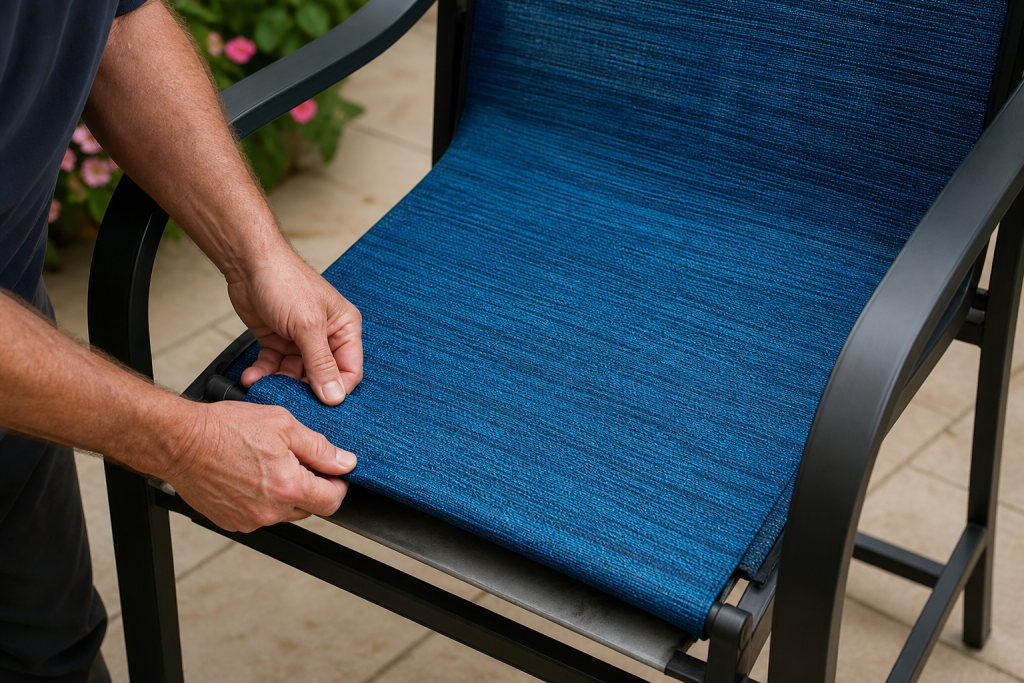
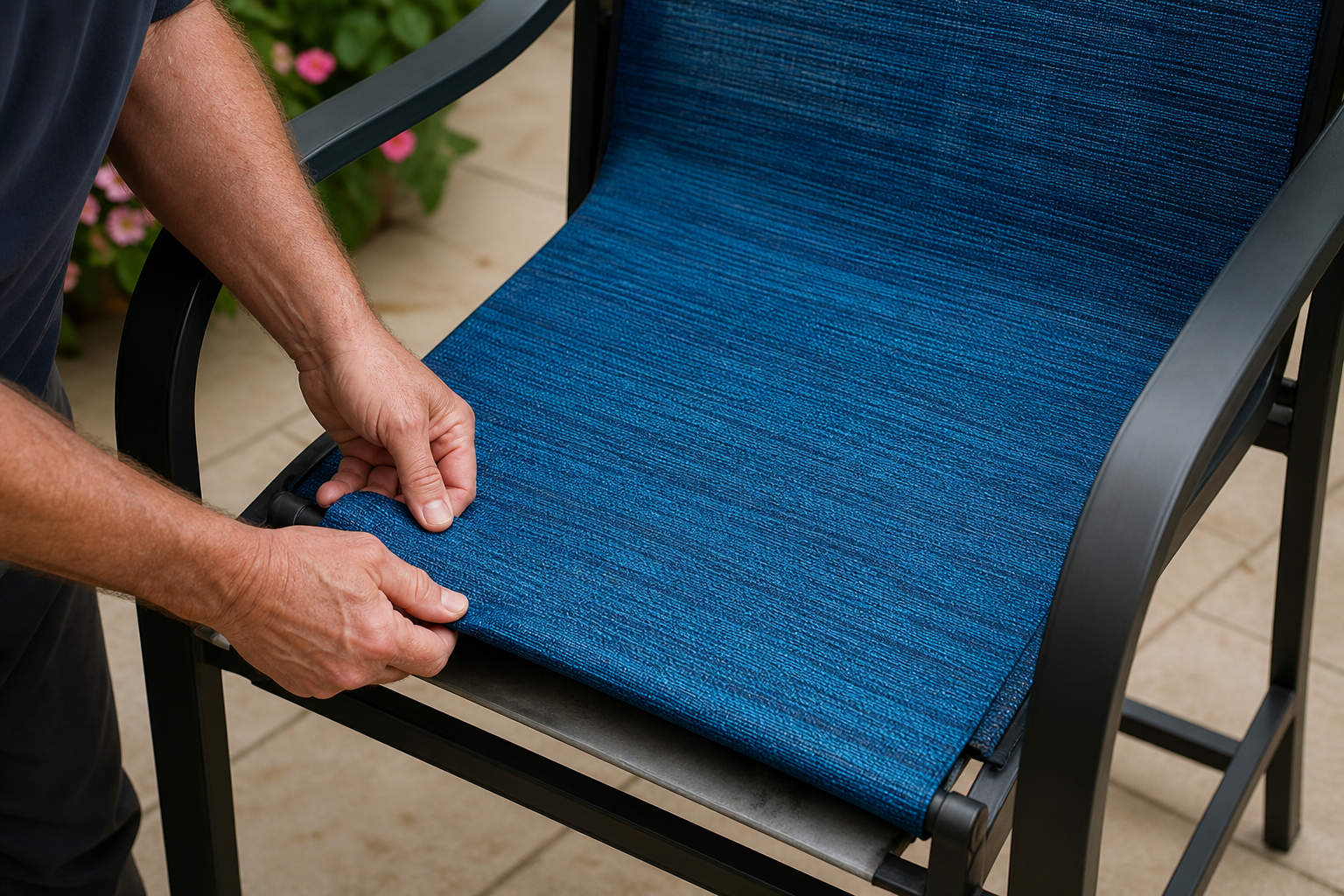
It is frequently more cost-effective to repair, particularly for items with durable original frames or structures, such as vintage patio furniture. Restoring specific components like slings or vinyl straps can significantly enhance the overall Replacement Part Value and extend the item’s life for a fraction of the cost of buying new. For example, custom-made patio furniture slings can revitalize a chair for far less than purchasing a new one.
Reason 2: Quality and Longevity – The True Replacement Part Value
Modern manufacturing often prioritizes cost-effectiveness, sometimes at the expense of durability. Older items, however, were frequently built with higher-grade materials and superior craftsmanship. Restoring these components can often result in a product that surpasses the quality and longevity of many new replacements available today.
By investing in quality restoration, you’re not just fixing a problem; you’re often upgrading the item’s resilience. This ensures that the restored piece will continue to perform reliably for many more years, offering a superior long-term Replacement Part Value compared to a cheaper, less durable alternative.
Why OEM Replacement Part Value Often Retains Higher Resale Value
OEM (Original Equipment Manufacturer) replacement parts typically retain higher resale value due to their guaranteed compatibility, precise fit, superior material quality, and adherence to original specifications. This ensures optimal performance and longevity, which significantly boosts the long-term Replacement Part Value of the item they belong to.
While aftermarket parts can be cheaper, they often do not match the exact specifications or material quality of OEM components. For critical applications, or when preserving the integrity of a high-value item, the investment in restoring or sourcing OEM-quality parts is usually justified by their enhanced durability and reliability.
Reason 3: Scarcity and Uniqueness – Preserving Replacement Part Value
For vintage cars, antique furniture, or specialized industrial equipment, finding an exact replacement part can be nearly impossible. In such cases, restoration isn’t just an option; it’s the only way to keep the item functional and preserve its authenticity. This is where the scarcity factor dramatically increases Replacement Part Value.
Unique or discontinued components often carry an intrinsic value that far exceeds their material cost. Restoring these parts maintains the originality and historical integrity of the item, which can be crucial for collectors or for equipment that requires specific, no-longer-produced components to operate.
Finding Valuable Vintage Replacement Part Value
The best places to find valuable vintage replacement parts include specialized online forums, antique markets, salvage yards, and dedicated restoration shops. Networking with collectors and experts in specific fields can also uncover rare finds. Assessing the intrinsic value of a hard-to-find replacement part involves considering its rarity, historical significance, condition, and the demand within its specific niche market.
Reason 4: Environmental Impact and Sustainable Replacement Part Value
In an era of increasing environmental awareness, choosing restoration over replacement offers significant ecological benefits. Manufacturing new parts consumes raw materials, energy, and generates waste. By repairing and reusing existing components, we reduce our carbon footprint and contribute to a more sustainable economy.
This commitment to sustainability not only benefits the planet but can also enhance the perceived Replacement Part Value of an item for environmentally conscious consumers. It aligns with a broader movement towards circular economy principles, where resources are kept in use for as long as possible.
Maximize Your Patio Furniture’s Replacement Part Value with American Slings and Patio Supplies
Don’t just replace—restore with confidence! We provide custom-made slings, vinyl straps, and durable parts that significantly extend the life and beauty of your outdoor furniture.
Reason 5: Sentimental and Aesthetic Replacement Part Value
Some items hold value beyond their monetary worth. A family heirloom, a vintage car with personal history, or a unique piece of furniture can have immense sentimental value. Replacing a part on such an item might diminish its original character or emotional significance. Restoration allows for the preservation of these intangible qualities.
Beyond sentiment, maintaining the original aesthetic of an item is often paramount. Restoration techniques can meticulously repair damage while preserving the authentic look and feel, something a generic new part might fail to achieve. This careful attention to detail enhances the overall Replacement Part Value of the cherished item.
Reason 6: Enhanced Performance and Customization for Superior Replacement Part Value
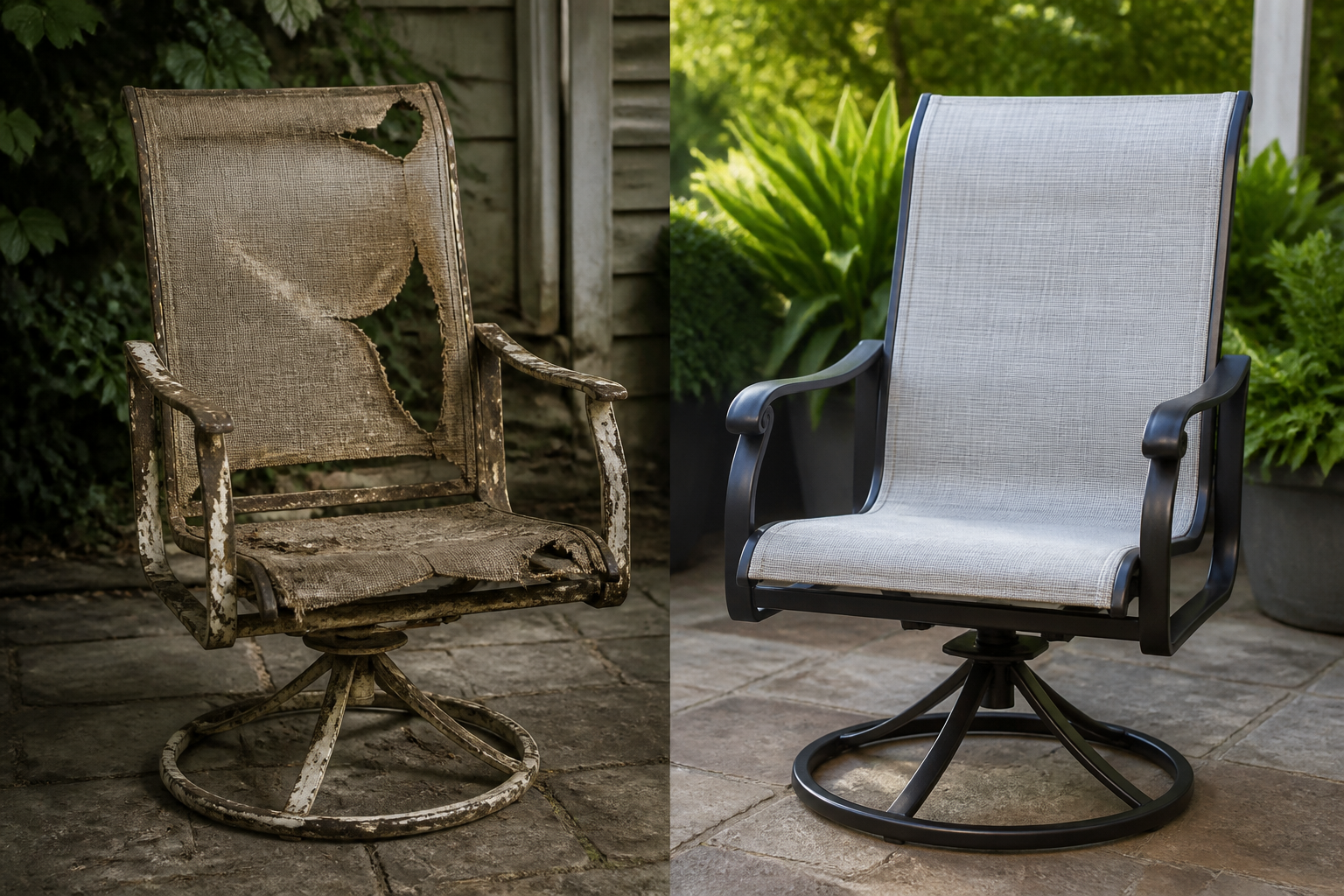
Restoration isn’t just about returning a part to its original state; it can also be an opportunity for improvement. During the repair process, components can be upgraded with more durable materials, enhanced designs, or custom modifications that improve performance beyond the original specifications. This proactive approach can significantly boost the long-term Replacement Part Value.
For example, replacing standard patio furniture straps with marine-grade vinyl or upgrading internal mechanisms in machinery can lead to a more robust and efficient item. This level of customization is often impossible with off-the-shelf replacements, offering a unique advantage for those seeking tailored solutions.
Research from organizations like the U.S. Environmental Protection Agency highlights the benefits of sustainable materials management, which includes extending product lifespans through repair and restoration. This approach not only saves resources but also often results in a higher-performing end product.
Expert Insights and Tools for Assessing Replacement Part Value
Accurately assessing Replacement Part Value requires a combination of market knowledge, technical expertise, and sometimes, specialized tools. Understanding how to calculate fair market value and recognizing common pitfalls can save you from costly mistakes.
For specialized or vintage items, seeking an appraisal from an expert in that specific field is highly recommended. These professionals have the knowledge to factor in rarity, condition, and market demand, providing a precise valuation that online tools might miss. Their insights are invaluable for understanding the true worth of unique components.
Calculating Fair Market Replacement Part Value
Fair market Replacement Part Value is typically calculated by assessing the cost of new parts, comparing prices of similar used parts, considering labor and installation costs for restoration, and factoring in market demand or scarcity. For patio furniture, the longevity and quality of the restored piece play a significant role. Online tools, such as specialty parts marketplaces or auction sites, can provide comparative data, but expert appraisal is often best for unique items.
Common Pitfalls in Valuing Used Replacement Part Value
Common pitfalls when valuing used replacement parts include underestimating the cost of necessary repairs, overestimating the remaining lifespan, and failing to account for market fluctuations. The typical depreciation curve for a new replacement part is steepest in its initial years, gradually leveling off. While trading in old replacement parts for credit or cash value is possible with some vendors, it largely depends on the part’s condition and market demand.
Conclusion: Restoring for Ultimate Replacement Part Value
The decision to restore rather than replace is a strategic one, offering numerous advantages that extend far beyond initial cost. By carefully considering the Replacement Part Value, you can make choices that lead to greater cost efficiency, enhanced quality, preserved uniqueness, and a positive environmental impact. Restoration allows for the retention of sentimental value and opens doors for performance upgrades and customization, ultimately delivering a superior, more sustainable solution.
Embracing restoration means investing in the longevity and integrity of your assets, ensuring they continue to serve their purpose effectively and beautifully for years to come. It’s a testament to smart management and a commitment to maximizing true value.
Frequently Asked Questions About Replacement Part Value
What factors determine the value of a replacement part?
The replacement part value is determined by its rarity, material quality (e.g., Sunbrella fabric, marine-grade vinyl), brand compatibility, original equipment manufacturer (OEM) status, current demand, and the overall condition of the part.
How is the fair market value of a replacement part calculated?
Fair market replacement part value is typically calculated by assessing the cost of new parts, comparing prices of similar used parts, considering labor and installation costs for restoration, and factoring in market demand or scarcity. For patio furniture, the longevity and quality of the restored piece play a significant role.
Why are certain replacement parts significantly more expensive than others?
The higher cost for some replacement parts often stems from specialized manufacturing processes, proprietary designs, high-quality durable materials (like UV-resistant fabrics), limited production, brand prestige (e.g., Brown Jordan), or unique functionality that justifies a premium replacement part value.
What impact does a replacement part’s condition have on its value?
A replacement part’s condition critically impacts its value. New or like-new parts with no wear, tear, or damage command the highest prices, offering superior replacement part value. Used parts diminish in value based on their level of degradation, functionality, and aesthetic flaws.
How does supply and demand influence replacement part value?
High demand for a scarce replacement part drives its value up significantly. Conversely, abundant supply for a less sought-after item will lower its replacement part value. This economic principle ensures that unique or discontinued items often retain a higher value.
Is it more cost-effective to repair or replace a part based on its value?
It is often more cost-effective to repair, especially when dealing with high-quality or vintage furniture where the original frame is durable. Restoring specific components, such as slings or straps, can significantly enhance the overall replacement part value and extend the life of the item for a fraction of replacement cost.
Why do OEM replacement parts often retain higher resale value?
OEM (Original Equipment Manufacturer) replacement parts typically retain higher resale value due to their guaranteed compatibility, precise fit, superior material quality, and adherence to original specifications. This ensures optimal performance and longevity, which boosts the long-term replacement part value.