

Swivel Chair Repair: 7 Essential Steps for Smooth Patio Movement
Swivel Chair Repair is a common need for anyone enjoying outdoor living. Nothing disrupts a relaxing patio experience quite like a wobbly, squeaky, or stuck swivel chair. These chairs, while offering ultimate comfort and flexibility, are also prone to wear and tear from constant use and exposure to the elements. Fortunately, many common issues can be resolved with a few simple tools and a bit of know-how, restoring your favorite outdoor seating to its smooth, functional best.
This comprehensive guide will walk you through the essential steps to diagnose and fix the most frequent problems affecting your patio swivel chairs. From tightening loose components to replacing worn-out parts, we’ll empower you with the knowledge to undertake effective Swivel Chair Repair, ensuring your outdoor space remains a haven of comfort and effortless movement. Let’s get your chairs swiveling smoothly again!
Key Takeaways for Swivel Chair Repair
- Identify common issues like wobbling, leaning, and stiffness to pinpoint the exact problem with your swivel chair.
- Learn the essential tools and techniques required for effective DIY Swivel Chair Repair, saving you time and money.
- Understand when to replace specific components versus attempting a simple fix for optimal longevity and performance.
- Discover reliable sources for high-quality replacement parts to ensure your repairs are durable and lasting.
Understanding Common Swivel Chair Problems and Their Causes
Before diving into any Swivel Chair Repair, it is crucial to accurately diagnose the problem. Many issues stem from simple wear and tear, loose fasteners, or environmental exposure. Identifying the root cause will save you time and ensure you apply the correct fix. Let’s explore the most frequent complaints and what usually triggers them.
One of the most common issues is a wobbly swivel chair. This instability can be frustrating and even unsafe. Often, a wobbly chair indicates loose bolts, worn bearings, or a damaged base. Over time, the constant motion and stress on the chair’s components can cause fasteners to loosen, leading to noticeable instability. Regular inspection can help catch these issues early.
Another frequent problem is a leaning swivel chair. This often points to uneven wear or damage within the chair’s internal mechanism or base. A bent or cracked chair base, a faulty gas lift cylinder (more common in office chairs but some patio chairs have them), or damaged springs within the tilt mechanism can all contribute to a persistent lean. Uneven weight distribution over years of use can also warp the chair’s structural integrity.
Beyond wobbling and leaning, you might encounter a swivel chair that simply won’t swivel properly. It might be stiff, squeaky, or completely stuck. This usually indicates a lack of lubrication, rust buildup in the swivel mechanism, or damaged bearings. Outdoor chairs are particularly susceptible to rust due to moisture exposure, making regular maintenance vital for smooth operation.
Why is my office chair not swiveling properly?
While our focus is on patio chairs, the principles of Swivel Chair Repair often apply to office chairs as well. If your office chair isn’t swiveling, it’s typically due to similar issues: a dirty or rusted swivel plate, worn bearings, or a seized gas lift cylinder. Dust, debris, and lack of lubrication are common culprits in an indoor setting.
Essential Tools and Preparations for Swivel Chair Repair
Effective Swivel Chair Repair begins with having the right tools and preparing your workspace. Gathering everything beforehand will streamline the process and prevent unnecessary interruptions. Most repairs can be completed with standard household tools, but some specific items will make the job much easier.
First, ensure you have a clear, well-lit area to work in. Lay down a drop cloth or old blanket to protect your floor and collect any small parts that might fall. Having a container for screws and bolts is also highly recommended to prevent losing them. Safety gloves and eye protection are always a good idea, especially when dealing with rust or stubborn components.
What tools do I need to repair a swivel chair?
For most Swivel Chair Repair tasks, you will need:
- Allen Wrenches: A set of various sizes is crucial for tightening or loosening hex bolts.
- Screwdrivers: Both Phillips head and flathead screwdrivers will be necessary.
- Socket Wrench Set: Useful for larger bolts, especially on the chair’s base.
- Rubber Mallet or Hammer: For gently tapping stubborn parts into place or dislodging them.
- Pliers: Standard and needle-nose pliers can be helpful for gripping small components.
- Penetrating Oil (e.g., WD-40): Essential for loosening rusted or seized bolts and mechanisms.
- Lubricant (e.g., silicone spray or white lithium grease): For ensuring smooth movement after repair.
- Wire Brush or Steel Wool: To clean rust and debris from metal parts.
Step 1: Diagnosing and Fixing a Wobbly or Leaning Swivel Chair
A wobbly or leaning chair is not only uncomfortable but can also be a safety hazard. This first step in Swivel Chair Repair focuses on identifying and rectifying these common stability issues. Most of the time, the fix is simpler than you might think.
How to fix a wobbly swivel chair?
Start by thoroughly inspecting the entire chair, especially the base and the connection points to the seat.
- Tighten All Bolts: Turn the chair upside down. Locate all bolts and screws connecting the seat to the swivel mechanism, and the swivel mechanism to the base. Use the appropriate Allen wrench or screwdriver to tighten them securely. Do not overtighten, as this can strip the threads.
- Inspect the Swivel Plate: The swivel plate is the component that allows the chair to rotate. Look for any cracks, bends, or missing pieces. If the plate itself is damaged, it may need replacement.
- Check Bearings/Bushings: Many swivel mechanisms use ball bearings or plastic bushings for smooth rotation. If these are worn or missing, they can cause wobbling. Clean any visible debris and replace worn parts if necessary.
- Examine the Chair Base: For patio chairs, the base can sometimes become bent or cracked due to heavy use or impact. If the base itself is compromised, it will need to be replaced.
What causes a swivel chair to lean?
A leaning chair often indicates a problem with the central support or the tilt mechanism.
- Inspect the Gas Lift Cylinder (if applicable): For chairs with a height adjustment, a faulty gas lift cylinder can cause leaning or uneven height. While more common in office chairs, some patio models feature them. If it’s the culprit, a cylinder replacement is needed.
- Check Tilt Mechanism Springs: Some swivel chairs have a tilt mechanism with springs that can wear unevenly. Inspect these springs for damage or fatigue.
- Ensure Even Weight Distribution: Over time, consistent leaning on one side can cause structural fatigue. While not a direct repair, being mindful of how the chair is used can prevent future leaning.
For a quick fix for a loose armrest, often a simple tightening of the bolts underneath the armrest or where it attaches to the seat frame will resolve the issue. These bolts can loosen over time with use, leading to a wobbly feel.
Need Swivel Chair Repair Parts? Trust American Slings!
At American Slings and Patio Supplies, we provide durable, made-in-USA replacement components for all your outdoor furniture, ensuring lasting comfort and function.
Step 2: Addressing Stiffness, Squeaks, and Improper Swiveling
Once stability issues are resolved, the next phase of Swivel Chair Repair focuses on restoring smooth, quiet rotation. Stiff or squeaky swivels are usually a sign that the mechanism needs cleaning and lubrication.
Cleaning and Lubricating the Swivel Mechanism
- Disassemble (if necessary): For a thorough cleaning, you might need to detach the seat from the base. This usually involves removing bolts that connect the swivel plate to the seat.
- Clean Away Debris and Rust: Use a wire brush or steel wool to remove any rust, dirt, or old grease from the swivel plate, bearings, and any other moving metal parts. A penetrating oil can help break down stubborn rust.
- Apply Lubricant: Once clean and dry, apply a suitable lubricant. Silicone spray or white lithium grease are excellent choices for outdoor furniture as they resist water and corrosion. Ensure all moving parts, including bearings and pivot points, are well-coated. Avoid using oil-based lubricants that can attract dirt.
- Reassemble and Test: Put the chair back together, tightening all fasteners. Test the swivel action. It should now move smoothly and silently. If not, repeat the cleaning and lubrication process.
Why is my office chair not swiveling properly?
For office chairs, the same cleaning and lubrication steps apply. Often, accumulated dust and hair can clog the mechanism, requiring a good clean-out before lubrication. A common issue is also a faulty gas lift cylinder, which can sometimes impede smooth rotation if it’s not fully extended or retracted.
Step 3: Replacing Major Components for Effective Swivel Chair Repair
Sometimes, a simple tightening or lubrication isn’t enough. When parts are broken, severely worn, or rusted beyond repair, replacement is the only viable option for successful Swivel Chair Repair. This section covers replacing the most common major components.
What parts are commonly needed for swivel chair repair?
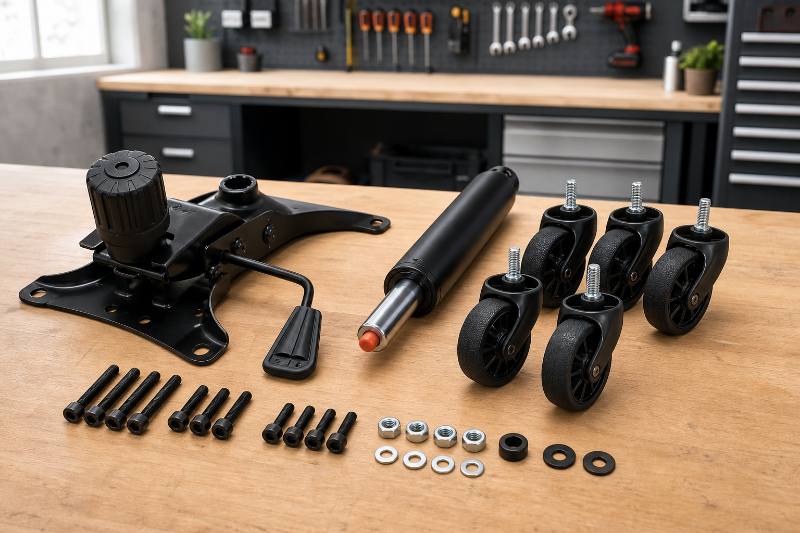
The most frequently replaced parts for swivel chairs include:
- Swivel Mechanisms/Tilt Plates: The entire assembly that allows the chair to rotate and sometimes tilt.
- Chair Bases: The star-shaped or round base, often with casters (wheels).
- Gas Lift Cylinders: For height-adjustable chairs.
- Casters (Wheels): Worn or broken wheels are easy to replace.
- Bushings/Bearings: Small components within the swivel mechanism that facilitate smooth movement.
Can I repair a broken swivel chair cylinder myself?
Yes, repairing a broken swivel chair cylinder (gas lift) yourself is often possible. Replacement cylinders are widely available, and the process usually involves detaching the old cylinder from the base and seat plate and installing the new one. You’ll typically need a rubber mallet to tap the old cylinder out and the new one in. Ensure you purchase a cylinder compatible with your chair model.
How to replace a swivel chair base?
Replacing a swivel chair base is a straightforward process:
- Remove the Casters: Pull the old casters out of the base.
- Separate the Cylinder from the Base: Turn the chair upside down. The gas lift cylinder (if present) is usually just pressed into the base. A few firm taps with a rubber mallet around the top of the base where the cylinder enters should loosen it.
- Install the New Base: Press the new cylinder into the new base. Then, insert the casters into the new base. Finally, reattach the seat assembly to the top of the cylinder.
For more detailed instructions on specific component replacement, resources like Hunker’s guide on fixing a swivel chair can provide visual aids and step-by-step instructions. Always ensure you have the correct replacement parts for your specific chair model.
When to Consider Professional Swivel Chair Repair or Replacement
While many issues can be resolved with DIY Swivel Chair Repair, there are times when professional help or even full replacement might be the more practical or cost-effective solution. Understanding these thresholds can save you frustration and ensure safety.
Is it worth repairing an old swivel chair?
The decision to repair or replace often comes down to the chair’s value and the extent of the damage.
- Sentimental Value: If the chair has sentimental value, repair is often worth it regardless of cost.
- Quality of Chair: High-quality, well-built chairs are generally worth repairing, as new parts can extend their life significantly. Cheaply made chairs might not be worth the investment in parts and labor.
- Cost of Repair vs. New: Compare the estimated cost of parts and your time against the price of a new chair. For minor fixes, DIY Swivel Chair Repair is almost always more cost-effective. For major structural damage, a new chair might be better.
How much does it cost to repair a swivel chair?
The cost varies widely. DIY repairs typically range from $20 for minor hardware to $100-$150 for a new cylinder or base. Professional repair services can range from $75 to $200+, not including parts. For outdoor patio swivel chairs, specialized parts might be slightly more expensive due to material requirements (weather resistance).
Where can I find swivel chair repair services near me? And who repairs swivel office chairs?
For professional services, start by searching online for “patio furniture repair near me” or “swivel chair repair services.” Upholstery shops, furniture repair specialists, and even some hardware stores might offer services or recommendations. For office chairs, dedicated office furniture repair companies are often the best bet.
Do furniture stores offer swivel chair repair?
Generally, most large furniture stores do not offer repair services for chairs purchased elsewhere. They might offer warranty repairs for items bought from them, but for general Swivel Chair Repair, you’ll need to seek out independent repair shops or specialized services. However, some smaller, local furniture shops might have a repair department or be able to recommend a local technician.
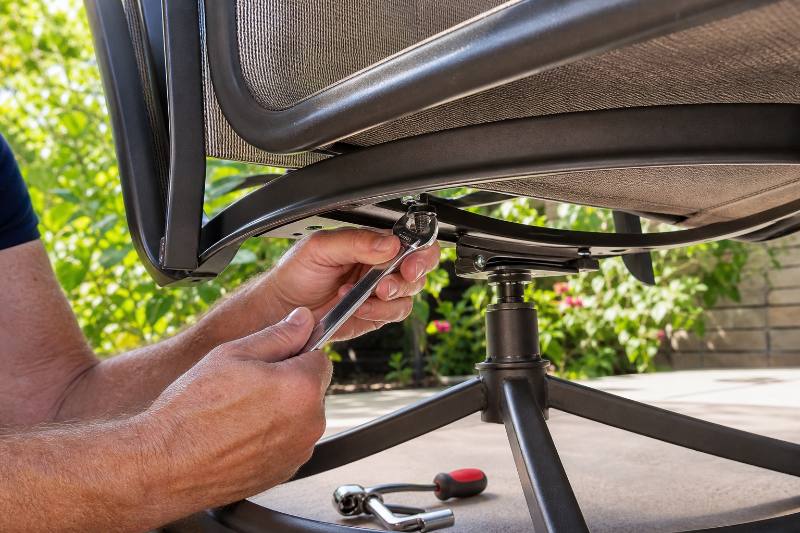
Ensuring your patio furniture is in top condition enhances your outdoor living experience. Regular maintenance and timely Swivel Chair Repair can significantly extend the lifespan of your chairs, keeping them comfortable and functional for many seasons to come. Don’t let a wobbly or stiff chair detract from your enjoyment of the fresh air and sunshine.
Conclusion: Restoring Smooth Movement to Your Patio Chairs
Effective Swivel Chair Repair is not just about fixing a broken part; it’s about reclaiming the comfort and functionality of your outdoor living space. By following these essential steps—from accurate diagnosis and gathering the right tools to tightening loose components and replacing worn parts—you can confidently tackle most common swivel chair problems. Remember that regular inspection and lubrication are key to preventing future issues and ensuring your chairs remain in prime condition.
Whether you opt for a DIY approach or seek professional assistance, investing in the longevity of your patio furniture is a choice that pays dividends in relaxation and enjoyment. With a little effort, your swivel chairs will once again provide that effortless movement and stability you desire, making every moment on your patio truly enjoyable.
Frequently Asked Questions About Swivel Chair Repair
How to fix a wobbly swivel chair?
A wobbly swivel chair often indicates loose bolts, worn bearings, or a damaged base. Start by tightening all visible bolts on the chair’s base and mechanism. If wobbling persists, inspect the swivel plate and replace any worn-out components like bushings or bearings. For severe instability, the entire swivel mechanism or base might require replacement.
What causes a swivel chair to lean?
A leaning swivel chair is typically caused by uneven wear or damage to its internal components. Common culprits include a bent or cracked chair base, a faulty gas lift cylinder, or damaged springs within the tilt mechanism. Over time, uneven weight distribution can also warp the chair’s structural integrity, leading to a persistent lean.
Can I repair a broken swivel chair cylinder myself?
Repairing a broken swivel chair cylinder (gas lift) yourself is often possible, especially if you have basic tools and follow clear instructions. Replacement cylinders are widely available, and the process usually involves detaching the old cylinder from the base and seat plate and installing the new one. Ensure you purchase a cylinder compatible with your chair model.
What tools do I need to repair a swivel chair?
Essential tools for swivel chair repair include a set of Allen wrenches, screwdrivers (Phillips and flathead), a rubber mallet or hammer, pliers, and possibly a socket wrench set. For stubborn parts, a penetrating oil can be helpful. Safety gloves and eye protection are also recommended.
How much does it cost to repair a swivel chair?
The cost to repair a swivel chair varies greatly depending on the damaged part and whether you do it yourself or hire a professional. DIY repairs typically range from $20 for minor hardware to $100-$150 for a new cylinder or base. Professional repair services can range from $75 to $200+, not including parts, making DIY often more cost-effective.
What parts are commonly needed for swivel chair repair?
Common parts needed for swivel chair repair include replacement gas lift cylinders, chair bases (often star-shaped with casters), swivel mechanisms or tilt plates, casters (wheels), armrest pads, and various nuts, bolts, and washers. Identifying the exact broken component is key to successful repair.
Where to buy swivel chair replacement parts?
Swivel chair replacement parts can be purchased from specialized online retailers like American Slings and Patio Supplies, general hardware stores, and e-commerce platforms. For outdoor patio swivel chairs, it’s crucial to find parts designed for outdoor use and compatibility with your specific chair model.