

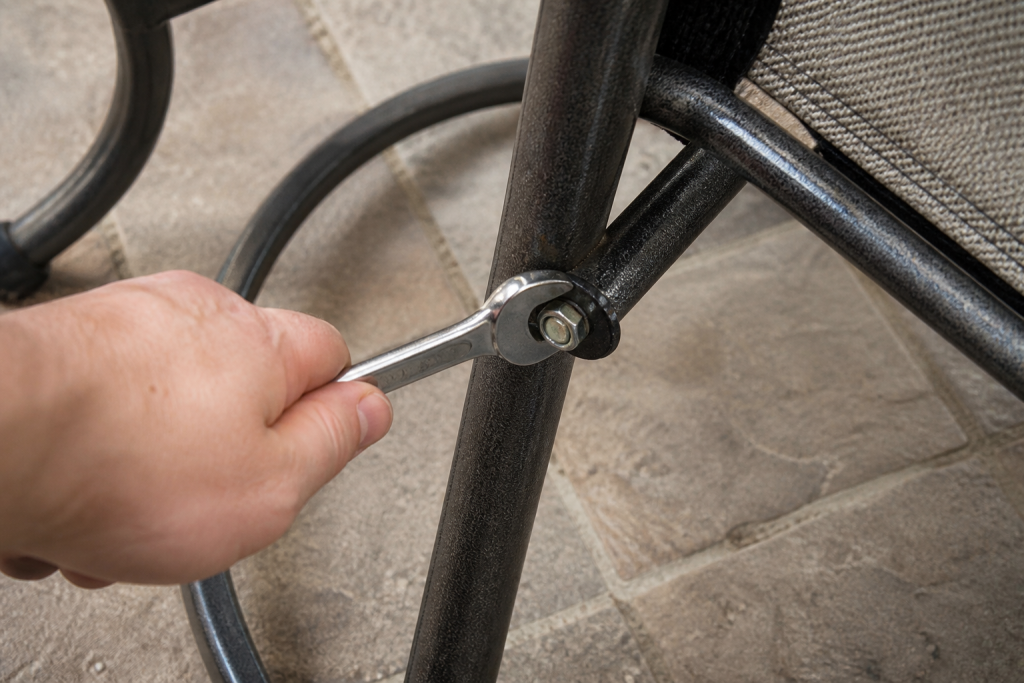
Wobbly Patio Chair: 7 Proven Fixes for Ultimate Stability
A Wobbly Patio Chair can quickly turn your outdoor oasis into a source of frustration and even a safety hazard. That gentle rocking might seem minor at first, but over time, it compromises stability, comfort, and the overall enjoyment of your patio furniture. Addressing this common issue promptly is crucial for maintaining a safe and inviting outdoor space.
This comprehensive guide will equip you with the knowledge and practical steps needed to diagnose, repair, and prevent future instability in your outdoor seating. We’ll delve into the root causes of wobbling, provide a step-by-step breakdown of seven proven fixes, and offer expert advice on how to ensure your patio chairs remain sturdy and reliable for years to come. Say goodbye to precarious seating and hello to ultimate outdoor relaxation.
Key Takeaways
- Understand the primary reasons behind a wobbly patio chair, from loose fasteners to environmental wear.
- Learn effective diagnostic techniques to pinpoint the exact cause of instability in your outdoor furniture.
- Discover seven practical, step-by-step fixes that you can implement to restore stability to your patio chairs.
- Gain insights into essential maintenance practices and preventative measures to keep your chairs wobble-free.
- Recognize when professional repair services are necessary and how to choose durable replacement parts for lasting stability.
Understanding Your Wobbly Patio Chair: Common Causes
Before you can effectively fix a wobbly patio chair, it’s essential to understand why it became unstable in the first place. Outdoor furniture endures a unique set of challenges, from fluctuating temperatures and humidity to constant exposure to sunlight and rain. These environmental factors, combined with regular use, contribute significantly to wear and tear.
Identifying the root cause will guide you toward the most appropriate and lasting solution. Often, what appears to be a complex problem can be traced back to a few common culprits that are surprisingly easy to address with the right approach.
Loose Fasteners and Hardware
One of the most frequent reasons for a wobbly patio chair is simply loose bolts, screws, or other fasteners. Over time, the vibrations from use, expansion and contraction of materials due to weather changes, and even rust can cause these connections to loosen. This gradual loosening creates play in the joints, leading to noticeable instability.
Uneven Legs and Worn Glides
Another common issue is uneven legs or worn-out leg glides. If one leg is slightly shorter than the others, or if the protective caps on the bottom of the legs are damaged or missing, the chair will rock. This can happen due to uneven surfaces, dragging the chair, or simply the natural degradation of materials over time.
Material Degradation and Structural Stress
Patio chairs are made from various materials, including metal, plastic, wood, and wicker. Each material has its vulnerabilities. Metal frames can rust and corrode, weakening joints. Wooden chairs can suffer from rot, warping, or cracked frames. Plastic chairs can become brittle and crack, especially under UV exposure, leading to structural failure. These forms of material degradation directly impact the chair’s stability.
Diagnosing the Instability of Your Wobbly Patio Chair
Accurately diagnosing the source of the wobble is the first critical step in any repair process. A thorough inspection can save you time and effort by directing you to the specific area that needs attention. Don’t just assume the problem; investigate it systematically.
This diagnostic phase is crucial because a misdiagnosis might lead to a temporary fix that doesn’t address the underlying issue, causing the wobbly patio chair to return sooner than expected.
The Rock Test: Identifying the Source of the Wobble
Place the chair on a perfectly flat, hard surface, such as a garage floor or concrete patio, away from any uneven paving stones or cracks. Gently rock the chair from side to side and front to back. Pay close attention to which leg lifts off the ground first and which joints show movement. This simple test helps isolate the unstable leg or section.
Visual Inspection: Cracks, Rust, and Wear
Once you’ve identified the general area of instability, perform a detailed visual inspection. Look for any visible cracks in the frame, especially near joints. Check for rust on metal components, which can weaken the structure. Examine all bolts, screws, and welds for signs of loosening, stripping, or breakage. Don’t forget to inspect the leg caps or glides for wear, damage, or absence.
7 Proven Fixes for Your Wobbly Patio Chair
With a clear understanding of the problem, you’re ready to implement effective solutions. These seven proven fixes cover the most common causes of instability, offering practical steps to restore your chair’s integrity. Always ensure you have the right tools before you begin.
Remember that patience and precision are key to achieving a lasting repair. A little effort now can significantly extend the life and safety of your outdoor furniture, transforming a problematic wobbly patio chair into a reliable piece once more.
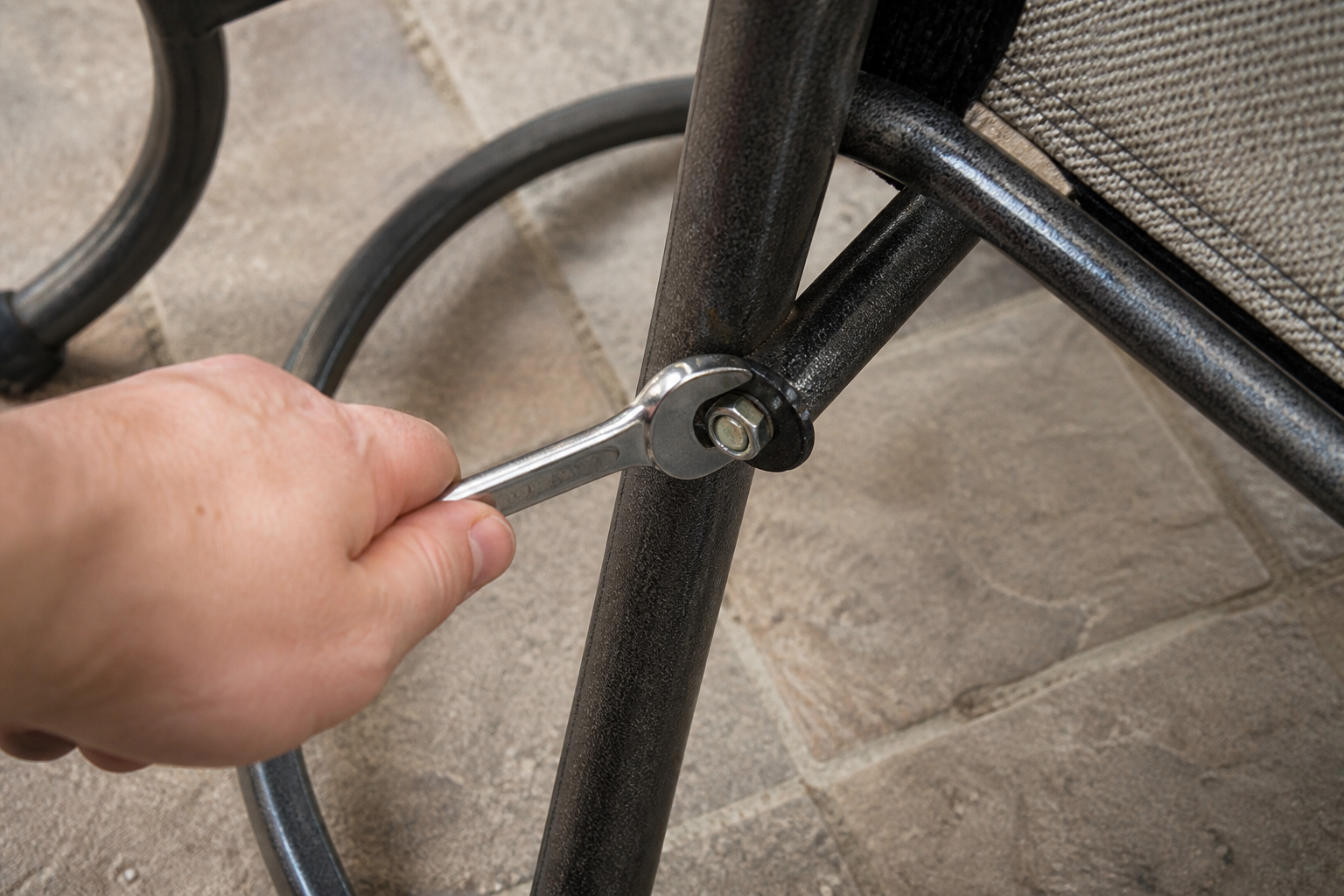
Fix 1: Tightening Loose Fasteners on Your Wobbly Patio Chair
This is often the easiest and most effective fix. Gather the appropriate tools, such as an Allen wrench set, a screwdriver, or an adjustable wrench. Start by slightly loosening all bolts on the chair. Then, gently rock the chair on a flat surface to allow the frame to settle into a natural, stable position. Finally, tighten all bolts firmly, working in a diagonal pattern to ensure even pressure and prevent warping. Avoid overtightening, which can strip threads or crack materials.
This simple step can often resolve a significant wobble.
Fix 2: Addressing Uneven Legs of a Wobbly Patio Chair
If the chair’s legs are uneven, shimming is a quick solution. You can use furniture shims, felt pads, or even small pieces of plastic or wood cut to size. Identify the shortest leg by performing the rock test. Attach the shim to the bottom of the short leg until the chair sits level. For a more permanent solution, some metal chairs allow for slight bending of the legs, but this should be done with extreme caution to avoid damage.
You can also consult a guide on fixing wobbly furniture for more detailed techniques.
Fix 3: Replacing Worn Leg Caps for Your Wobbly Patio Chair
Worn or missing leg caps (also known as glides or inserts) are a common cause of wobbling and can also scratch your patio surface. Measure the diameter of the chair leg opening or the existing cap. Purchase new caps made of durable plastic, rubber, or nylon that fit snugly. Simply remove the old caps and press or tap the new ones into place. This quick replacement can instantly restore stability and protect your flooring.
You can easily order new patio chair leg caps online from specialty retailers.
Fix 4: Reinforcing Joints of a Wobbly Patio Chair
For chairs with wooden or metal joints that are loose but not broken, reinforcement can be effective. For wood, consider adding corner braces or using wood glue in the joints before clamping them tightly until dry. For metal chairs, if bolts are stripped, you might need to use larger bolts, nuts, and washers, or even consider drilling new holes if the original ones are too damaged. Ensure all new hardware is rust-resistant for outdoor use.
Fix 5: Repairing Damaged Frames on a Wobbly Patio Chair
If the frame itself is cracked or broken, more advanced repair may be necessary. For metal frames, welding might be an option, but this typically requires professional assistance. For wooden frames, wood epoxy or strong wood glue can be used to repair cracks, followed by clamping. For plastic chairs, specialized plastic repair kits with strong adhesives or plastic welding tools can mend cracks, though success varies depending on the severity of the damage.
Always ensure the repair is structurally sound before use.
Fix 6: Stabilizing Plastic Wobbly Patio Chair Designs
Plastic outdoor chairs often wobble due to their lightweight design or cracks in the molded plastic. For minor wobbles, shims or new leg caps can help. If the plastic is cracked, a strong, waterproof plastic adhesive or epoxy can be used to bond the broken sections. For hollow legs, consider filling them with expanding foam to add weight and rigidity, which can significantly improve stability. Ensure the foam is suitable for outdoor use and won’t absorb moisture.
Fix 7: Applying Strong Adhesives for a Secure Wobbly Patio Chair
When mechanical fasteners aren’t enough, or if joints are permanently loose, a strong adhesive can provide a lasting bond. For wooden chairs, use a waterproof wood glue. For metal chairs, a high-strength, waterproof epoxy or a specialized metal adhesive is ideal. Disassemble the joint, clean all surfaces thoroughly, apply the adhesive, and then reassemble and clamp the joint tightly until the adhesive cures completely. This creates a rigid connection that can prevent future wobbles.
Fix Your Wobbly Patio Chair with Quality Parts from American Slings!
Don’t let an unstable patio chair compromise your outdoor relaxation. We provide durable replacement components to restore the safety and comfort of your patio furniture.
Preventing a Wobbly Patio Chair in the Future
Prevention is always better than cure, especially when it comes to outdoor furniture. By adopting a proactive approach to maintenance and care, you can significantly extend the lifespan of your patio chairs and avoid the frustration of future wobbles. A little attention now can save you considerable repair work later.
These preventative measures are simple to implement and will ensure your outdoor seating remains a comfortable and safe haven for relaxation. Protecting your investment means enjoying your patio without a single wobbly patio chair in sight.
Regular Maintenance and Inspections
Make it a habit to periodically inspect all your patio furniture, ideally at the beginning and end of each outdoor season. Check all bolts, screws, and fasteners for tightness and tighten them as needed. Examine leg caps for wear and replace them promptly if they show signs of damage. Look for any early signs of rust on metal frames or cracks in wood and plastic, addressing them before they become major issues.
Proper Storage and Protection
During harsh weather conditions, such as heavy rain, strong winds, or winter months, store your patio chairs in a protected area like a garage, shed, or under a waterproof cover. This shields them from elements that accelerate material degradation and corrosion. If covering, ensure there’s adequate ventilation to prevent moisture buildup, which can lead to mold or rust.
Choosing Durable Materials
When purchasing new patio furniture, invest in chairs made from durable, weather-resistant materials. Aluminum frames are rust-resistant and lightweight. Teak and cedar woods are naturally resistant to rot and insects. High-quality, UV-stabilized plastics and resins can withstand sun exposure without becoming brittle. While these options might have a higher upfront cost, their longevity and stability often provide better value in the long run.
Understanding the Risks: Are Your Wobbly Patio Chair Dangerous?
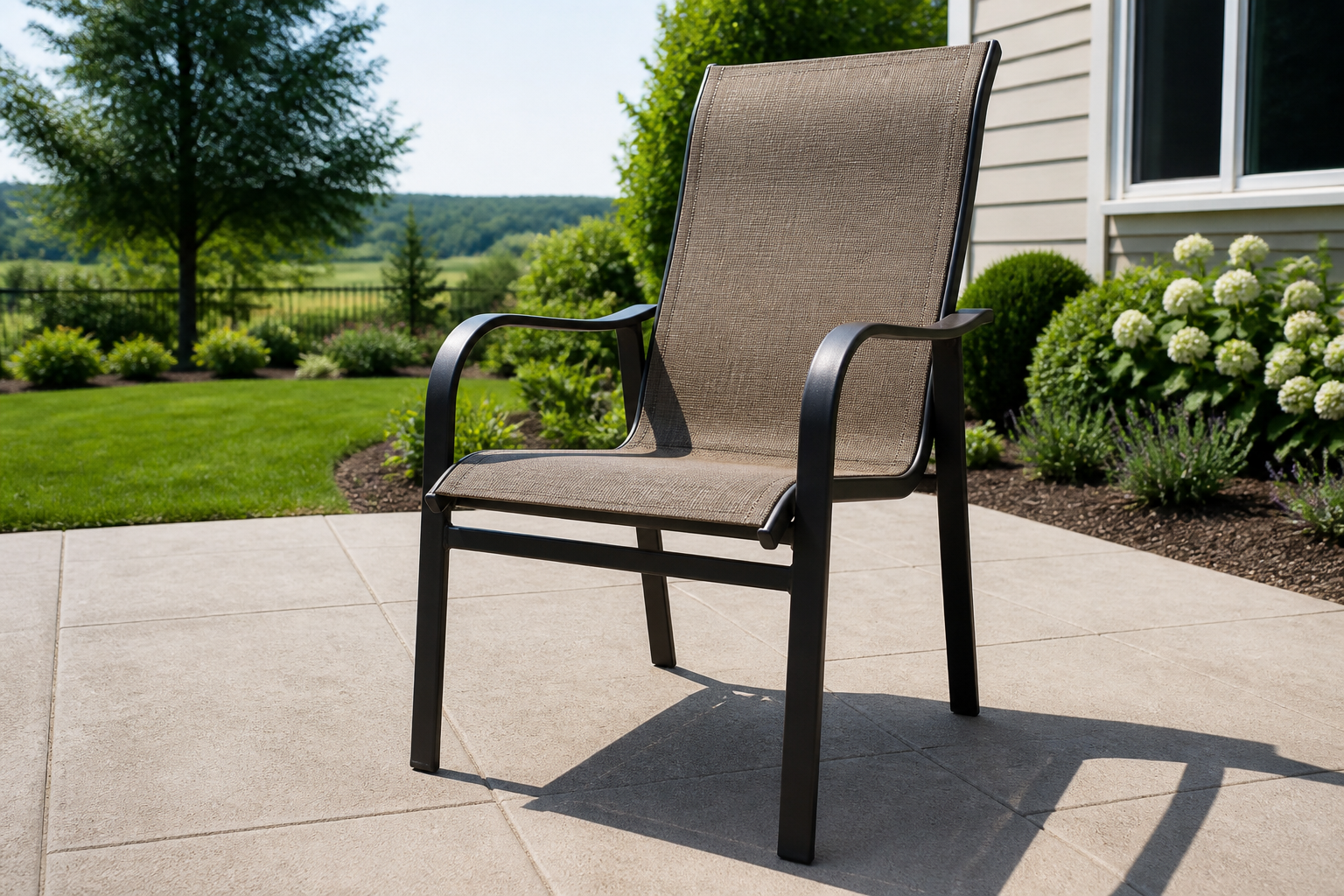
Beyond the annoyance, a wobbly patio chair poses a genuine safety risk that should not be overlooked. What might seem like a minor inconvenience can quickly escalate into a serious accident, leading to injuries for you or your guests. Prioritizing stability is not just about comfort; it’s about ensuring a safe environment for everyone.
Ignoring the instability of a patio chair can have significant consequences, making prompt repair or replacement a critical safety measure. A truly stable outdoor space is a safe outdoor space, free from the hazards of a compromised wobbly patio chair.
Potential for Falls and Injuries
The most immediate danger of a wobbly patio chair is the risk of falls. If a chair collapses or tips unexpectedly, it can cause someone to lose their balance and fall, potentially resulting in sprains, fractures, or head injuries. This risk is particularly high for children, the elderly, or individuals with mobility issues who may rely on the chair for support when sitting down or standing up.
Damage to Property and Other Furniture
An unstable chair can also cause damage to other property. If it tips over, it could break nearby items like glassware, planters, or even damage other pieces of furniture. In windy conditions, a lightweight, wobbly chair is more likely to be blown around, becoming a projectile that could harm people or property.
When to Seek Professional Help for Your Wobbly Patio Chair
While many wobbly patio chair issues can be resolved with DIY fixes, there are instances where professional intervention is the wisest course of action. Recognizing these situations can prevent further damage, ensure safety, and ultimately save you time and money. Sometimes, the complexity of the repair or the value of the furniture warrants expert attention.
Knowing when to call in the professionals is a key part of responsible furniture maintenance. For significant structural damage or valuable pieces, a professional can provide a lasting solution for your wobbly patio chair.
Assessing Severe Damage
If your patio chair has extensive structural damage, such as a severely bent metal frame, deeply cracked wood, or multiple broken plastic components, a DIY repair might not be sufficient or safe. Professionals have specialized tools and expertise for welding, intricate woodworking, or advanced plastic repairs that are beyond the scope of a typical homeowner.
Finding Expert Repair Services
Many areas have furniture repair shops that specialize in outdoor furniture. Search for local services that offer welding, frame repair, or restoration for patio chairs. While the cost to fix a wobbly patio chair professionally can vary widely (from $50 for minor fixes to several hundred for major frame overhauls), it’s often a worthwhile investment for high-quality or sentimental pieces. Always get a quote before committing to a repair.
Sourcing Quality Parts for Your Wobbly Patio Chair and Durable Replacements
Whether you’re performing a DIY fix or seeking professional help, having access to high-quality replacement parts is essential for a lasting repair. Investing in durable components ensures that your patio chair remains stable and functional for many seasons to come. The right parts can make all the difference in transforming a wobbly patio chair into a reliable one.
Choosing wisely when it comes to parts and new furniture can prevent future wobbles and enhance your outdoor living experience. For any wobbly patio chair, the solution often lies in the quality of its components.
Sourcing Replacement Parts Online
Specialty online retailers like American Slings offer a wide array of patio chair replacement parts, including leg caps, glides, bolts, nuts, and even sling fabric. These sites often categorize parts by material, size, and brand, making it easier to find an exact match for your specific chair. Always measure carefully before ordering to ensure a perfect fit.
Investing in Stable Patio Chair Brands
If your current chairs are beyond repair, or if you’re looking to upgrade, consider investing in brands known for their durability and stability. Look for chairs with solid construction, robust fasteners, and heavy-gauge materials. Brands like Telescope Casual, Tropitone, and Brown Jordan are often cited for their quality and longevity. While they may come at a higher price point, they are designed to withstand outdoor elements and resist wobbling, offering peace of mind and lasting enjoyment.
A wobbly patio chair doesn’t have to be a permanent fixture in your outdoor space. By understanding the common causes, performing a thorough diagnosis, and applying the right proven fixes, you can restore stability and safety to your beloved outdoor furniture. From tightening a loose bolt to replacing worn-out leg caps, each step contributes to a more secure and enjoyable patio experience.
Remember that regular maintenance and thoughtful choices in furniture can prevent future issues, ensuring your patio remains a comfortable and inviting retreat for years to come. Don’t let instability detract from your outdoor relaxation; take action today for ultimate stability.
Frequently Asked Questions About Your Wobbly Patio Chair
Why is my patio chair wobbly?
A wobbly patio chair often results from loose bolts, worn-out leg caps, uneven legs, or structural damage due to weather exposure and regular use. Over time, joints can loosen, and materials can degrade, leading to instability.
How to fix a wobbly patio chair?
To fix a wobbly patio chair, first, inspect all joints and tighten any loose bolts or screws. If the legs are uneven, consider adding shims or replacing worn leg glides. For more severe issues, disassembling, cleaning, and reassembling the frame with a strong adhesive might be necessary.
What tools are needed to repair a loose patio chair?
Common tools include wrenches (adjustable or specific sizes), screwdrivers (Phillips and flathead), a rubber mallet, a level, and potentially a drill for stubborn fasteners. For more advanced repairs, you might need a wire brush for cleaning joints or a clamping tool.
How to prevent patio chairs from wobbling in the future?
Regular maintenance is key. Periodically tighten all fasteners, replace worn leg caps or glides promptly, and store chairs in a protected area during harsh weather. Applying rust-preventative coatings to metal frames can also extend their lifespan and stability.
Are wobbly patio chairs dangerous?
Yes, a wobbly patio chair can pose a significant safety risk. It can cause someone to lose their balance, fall, and sustain injuries, especially if the chair collapses unexpectedly. Addressing the wobbling issue immediately is crucial for safety.
Where can I buy replacement parts for a wobbly patio chair?
You can buy a wide range of replacement parts for a wobbly patio chair, including leg glides, end caps, bolts, and specialized repair tools, from dedicated patio furniture supply companies like American Slings and Patio Supplies. They offer parts for various brands and types of outdoor furniture.
What is the strongest adhesive for securing loose patio chair joints?
For securing loose patio chair joints, a strong, waterproof epoxy adhesive or a specialized outdoor furniture glue is recommended. These adhesives provide a durable bond that can withstand outdoor elements and the stresses of chair use.
How do I tighten the bolts on a metal patio chair?
To tighten bolts on a metal patio chair, use the appropriate size wrench or Allen key. First, slightly loosen all bolts, then gently rock the chair on a flat surface to realign the frame. Finally, tighten all bolts firmly, working diagonally for even pressure, but avoid overtightening.
Can I order new patio chair leg caps online?
Yes, new patio chair leg caps can easily be ordered online from specialty retailers like American Slings and Patio Supplies. They offer a variety of sizes, shapes, and materials to ensure a perfect fit for almost any patio chair style.