

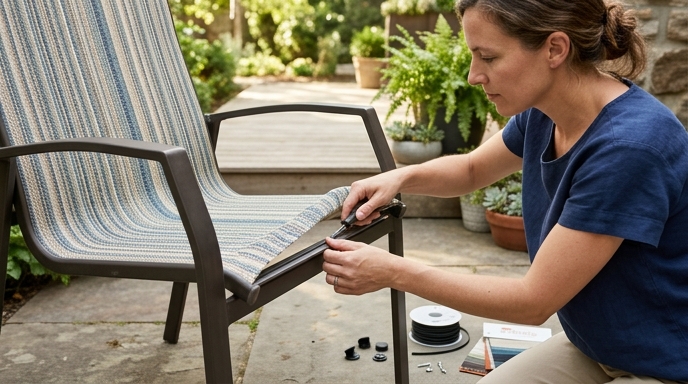
When a sling starts to sag, fray, or split at the rail, the chair itself is usually not the problem. In many cases, the frame is still strong, the finish is still attractive, and the comfort you originally chose is still there. That is why shopping for replacement patio chair slings by brand is often the smartest path – it helps you match the structure you already own while restoring the clean, tailored look that makes outdoor seating feel finished again.
Brand matters more than many homeowners expect. Two patio chairs may look nearly identical from a few feet away, yet differ in rail width, sling attachment style, rod pocket depth, or frame curve. Those small distinctions affect whether a replacement will fit correctly, tension properly, and sit comfortably over time. Buying by brand gives you a much clearer starting point, especially if you want a result that looks refined rather than improvised.
Why replacement patio chair slings by brand make ordering easier
Outdoor furniture manufacturers tend to follow their own frame patterns, proportions, and hardware details. Brown Jordan, Tropitone, Winston, Woodard, Homecrest, and Hampton Bay all have recognizable construction habits, even across changing collections. If you begin with the brand, you narrow the field quickly and avoid the most common mistake in sling replacement – choosing a style that looks close enough but is not built for your frame.
This is especially useful for homeowners restoring a full seating area rather than one isolated chair. Matching multiple pieces calls for consistency in panel size, fabric tension, and finish quality. A brand-based approach keeps the project organized and gives you a better chance of maintaining a cohesive look across dining chairs, swivel rockers, chaise lounges, and ottomans.
There is a practical benefit as well. Brand identification helps determine whether your furniture uses a one-piece sling, a two-piece sling, or a padded sling system. It can also point you toward the right spline, rivets, end caps, and glides if your restoration needs more than fabric alone. That is the difference between simply patching a problem and restoring a chair with lasting confidence.
How to identify your patio furniture brand
The easiest answer is the manufacturer tag. Look underneath the seat, on the inside of the frame, under the arm, or near the back rail for a sticker, stamped mark, or metal plate. Some older pieces have paper labels that fade over time, so if the tag is gone, the frame still offers clues.
Start by looking at the chair type and construction. Sling dining chairs, high-back stack chairs, swivel rockers, and chaise lounges each tend to follow brand-specific proportions. Arm shape, frame diameter, weld placement, and rail profile can help narrow the possibilities. If your furniture came as part of a patio set purchased from a home improvement retailer, the retail name may differ from the original manufacturer, so measurements become even more important.
If you are unsure, this is where clear photos and careful dimensions matter. A reputable sling specialist can often guide you much more effectively when you provide the frame style, approximate age, and measurements of the old sling panel. Precision beats guesswork every time.
Measuring before you order
Even when you know the brand, you should still measure. Brand information helps point you toward compatibility, but measurements confirm it. Outdoor furniture changes across production years, and discontinued collections often include slight size differences that are easy to miss.
For most sling chairs, the key dimensions are the width of the fabric panel and the length from top to bottom, usually measured on the old sling once removed or measured carefully within the sling channel system. You also need to know whether the chair uses a one-piece seat-and-back sling or separate seat and back panels. On a chaise lounge, the headrest section and leg section may create a different pattern altogether.
Take your time here. Measuring too loosely can leave you with a sling that installs with poor tension. Measuring too tightly can create installation trouble and stress the seams. A properly fitted sling should look smooth, tailored, and supportive once installed and allowed to relax into place.
Common brands and what homeowners should expect
Not every brand presents the same replacement experience. Some legacy brands are known for premium frame construction and long service life, which makes sling replacement especially worthwhile. Brown Jordan and Tropitone owners, for example, often choose restoration because the underlying furniture was built to justify it. Replacing the sling allows the frame to continue serving beautifully rather than being discarded for a lower-quality new set.
Winston and Woodard pieces are also frequently restored because the frames hold up well and the silhouettes remain timeless. With these brands, getting the right pattern and finish details can preserve the elevated character of the original furniture. Homecrest often appears in long-owned patio collections where homeowners want to keep a familiar, comfortable setup while refreshing the appearance.
Hampton Bay presents a slightly different scenario. Because many homeowners purchased these sets through major retailers, the exact collection name is not always easy to track years later. In those cases, measuring and photo matching become more important than the label alone. The good news is that many of these chairs can still be revived successfully when dimensions and sling style are identified correctly.
Fabric choice matters as much as brand match
The frame determines fit, but the fabric determines the finished experience. A replacement sling should not only fit the rails – it should suit the way you live outdoors. Poolside environments, uncovered patios, intense sun exposure, and high-use dining areas all place different demands on fabric.
A tighter, smoother sling fabric often gives a crisp, architectural look that works well in contemporary spaces. Textured or heathered options can soften the appearance and coordinate nicely with traditional frames or layered outdoor decor. Dark colors can feel sophisticated and hide minor marks, while lighter neutrals create an airy, upscale look but may show more environmental residue over time.
This is where samples are useful. Color on a screen rarely tells the full story, especially outdoors where sunlight shifts everything. A sample lets you evaluate the weave, comfort, and tone in your actual space. For homeowners designing a more refined outdoor living area, that step can make the difference between a good replacement and one that feels fully integrated with the rest of the setting.
When a custom sling is the better choice
Some branded furniture lines are easy to identify but difficult to source in pre-made sizes, especially if the collection has been discontinued. That does not mean the furniture has reached the end of its life. It usually means a custom replacement is the more reliable option.
Custom slings are particularly valuable when your chair has unique contours, nonstandard dimensions, or model-year differences that generic replacements do not address. They are also the better route when you are restoring multiple pieces and want every panel to feel intentional and consistent. The result is not just a functional repair. It is a cleaner, more polished renewal of the furniture you already chose for your home.
For many homeowners, the value equation is straightforward. Replacing slings costs far less than buying a new premium patio set, especially when the existing frames are structurally sound. It is also a more sustainable decision, keeping quality materials in use and reducing unnecessary disposal.
Installation and the reality of the process
Sling replacement is very manageable for some homeowners, but it is not identical across all brands. Older frames may need cleaning inside the rails, fresh spline, or minor hardware replacement before the new sling can be installed correctly. Heat and tension also affect how the material settles during installation.
If you are comfortable with measuring, disassembly, and reassembly, a well-supported replacement project can be a satisfying upgrade. If you prefer a more guided path, choosing a supplier that offers clear measuring help, compatible materials, and detailed instructions is worth more than shaving a little off the purchase price. The cheapest path is not always the one that gives you the best-looking chair six months later.
There is also a trade-off between speed and precision. A fast purchase based on visual similarity may seem convenient, but if the fit is off, you lose time and confidence. A careful brand-and-measurement process takes more attention up front and usually delivers a better result.
Choosing the right source for brand-based sling replacement
When shopping for replacement patio chair slings by brand, look for depth rather than broad furniture inventory. A specialist should understand the difference between frame compatibility and fabric preference, and should support you through both. That includes made-to-measure options, fabric samples, hardware access, and practical installation guidance.
Chair Slings Store serves this type of restoration customer well because the focus stays where it should – on compatibility, durability, and a finished look that respects the original furniture. That specialization matters when you are trying to restore a beloved patio set without second-guessing every measurement.
A well-made sling replacement brings back more than seat support. It restores the clean lines of the frame, the comfort of your favorite chair, and the polished atmosphere that makes a patio feel ready for slow mornings, long lunches, and effortless sophistication outdoors. Start with the brand, confirm the measurements, and let the furniture you already love earn a second life.
Need more help before ordering? Review our measuring guide for patio slings and our chair sling installation tips for a smoother replacement process.