

Choosing Fabric Samples: 6 Critical Mistakes to Avoid for Your Patio – The Ultimate Guide
Choosing Fabric Samples is the cornerstone of any successful patio furniture restoration or design project. It’s not merely about picking a color; it’s about ensuring durability, aesthetic harmony, and long-term satisfaction for your outdoor living space. Many homeowners, however, fall prey to common pitfalls that can lead to costly regrets and a less-than-ideal patio. This comprehensive guide will illuminate the critical errors to sidestep, empowering you to make informed decisions and transform your patio into a stunning, resilient oasis. We’ll cover everything from understanding the samples themselves to evaluating them in your own environment, ensuring your outdoor furniture reflects ultimate quality and style.
Key Takeaways
- Understand the profound importance of physically evaluating fabric swatches to avoid costly design errors.
- Learn how environmental factors, especially lighting, dramatically impact your perception of fabric colors and textures.
- Discover the best practices for sourcing, evaluating, and organizing a diverse range of fabric samples for optimal choice.
- Prioritize critical performance specifications like UV resistance and durability when selecting outdoor fabrics.
- Recognize the subtle yet significant role of texture and pattern scale in achieving a cohesive patio aesthetic.
- Implement a structured decision-making process to prevent rushing and ensure lasting satisfaction with your fabric choices.
Mistake #1: Underestimating the Power of Physical Choosing Fabric Samples
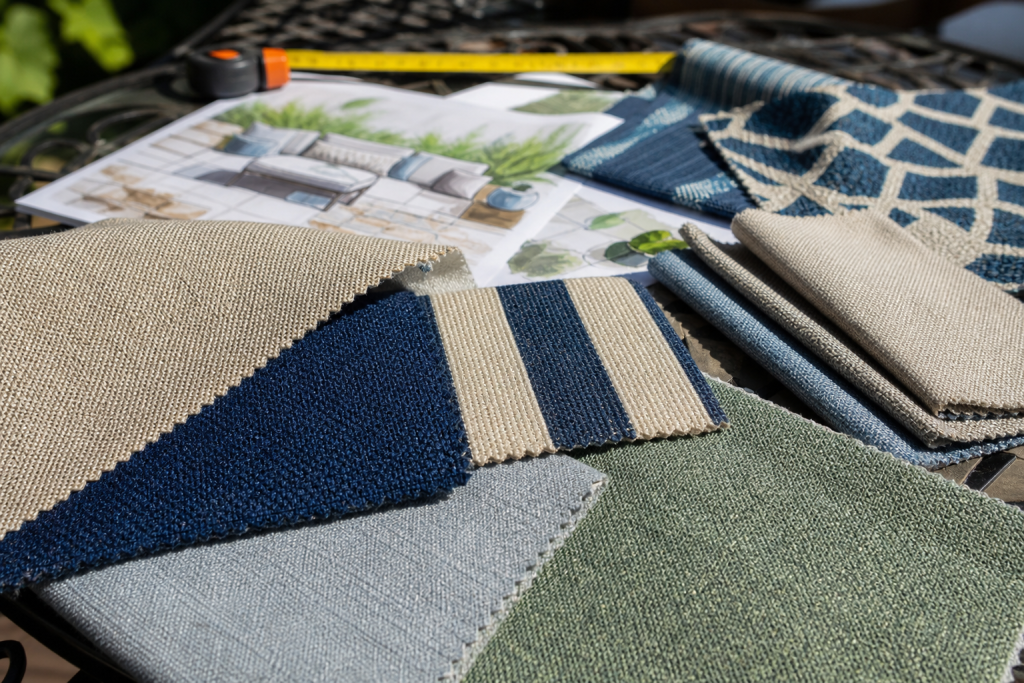
The biggest oversight many people make when embarking on a patio fabric project is relying solely on online images. While digital representations are convenient, they can be incredibly misleading. The true color, texture, and drape of a fabric can only be accurately assessed by holding a physical sample in your hands. This is why Choosing Fabric Samples is an indispensable step. What exactly are fabric samples, and why are they so important for design projects? Fabric samples, often called swatches, are small pieces of material provided by manufacturers or suppliers. They are crucial because they allow you to physically assess the fabric’s color, texture, weight, and drape in your actual environment. This ensures it meets your aesthetic and functional requirements before committing to a larger purchase. The difference between a fabric swatch and a full fabric sample is also important. A fabric swatch is typically a very small piece, primarily used for color and basic texture matching. A full fabric sample is usually larger, providing a better representation of the fabric’s pattern repeat, drape, and overall feel. This offers a more comprehensive evaluation for Choosing Fabric Samples.
The Illusion of Digital Displays for Choosing Fabric Samples
Online images are subject to screen calibration, lighting conditions during photography, and compression algorithms. What looks like a vibrant navy blue on your monitor might appear as a muted indigo in person. This discrepancy can lead to significant disappointment when the final product arrives. Always request physical samples to avoid this common pitfall. Relying on a tiny digital image for such a significant investment is a gamble. The tactile experience of touching the fabric, feeling its weave, and seeing its true sheen cannot be replicated virtually. This hands-on approach is fundamental to successful outdoor design.
Why Physical Samples Are Non-Negotiable
Physical samples allow you to experience the fabric in three dimensions. You can feel its softness or rigidity, observe how it catches the light, and truly appreciate its texture. This sensory engagement is vital for making an informed decision, especially for outdoor furniture that will endure various elements. Without physical samples, you risk selecting a fabric that doesn’t match your existing decor, feels uncomfortable, or simply doesn’t live up to your expectations. This can result in costly returns or, worse, living with a patio you don’t truly love.
Mistake #2: Neglecting Environmental Factors When Choosing Fabric Samples
Once you have your physical samples, the next critical mistake is evaluating them in isolation or under artificial lighting. Your patio fabric will spend its life outdoors, exposed to natural light, shadows, and varying weather conditions. Therefore, Choosing Fabric Samples must involve testing them in their intended environment. What specific factors should you consider when evaluating fabric samples in your home? Beyond color and texture, think about how the fabric will perform under direct sunlight, in shaded areas, and even when wet. Consider the surrounding elements like your home’s exterior color, landscaping, and existing patio decor.
The Impact of Natural Light on Choosing Fabric Samples
Why is it crucial to check fabric samples in different lighting conditions? Fabric colors can appear drastically different under various lighting. Natural daylight reveals true tones, while incandescent or LED lighting can alter shades, making colors look warmer or cooler. Sunlight, especially, can make colors appear brighter or even wash them out. Always view your samples at different times of day – morning, noon, and evening. Observe how the colors shift with the sun’s position and intensity. A fabric that looks perfect in the morning sun might appear dull or too dark in the afternoon shade.
Considering Your Patio’s Surroundings
Your patio isn’t a blank canvas; it’s part of a larger ecosystem. The colors of your house, the greenery of your garden, and even the materials of your patio flooring will all influence how the fabric appears. Hold the samples against your existing furniture, cushions, and any other elements they need to complement. This holistic approach to Choosing Fabric Samples ensures that your new upholstery integrates seamlessly into your outdoor space, creating a cohesive and inviting atmosphere rather than clashing with its surroundings. 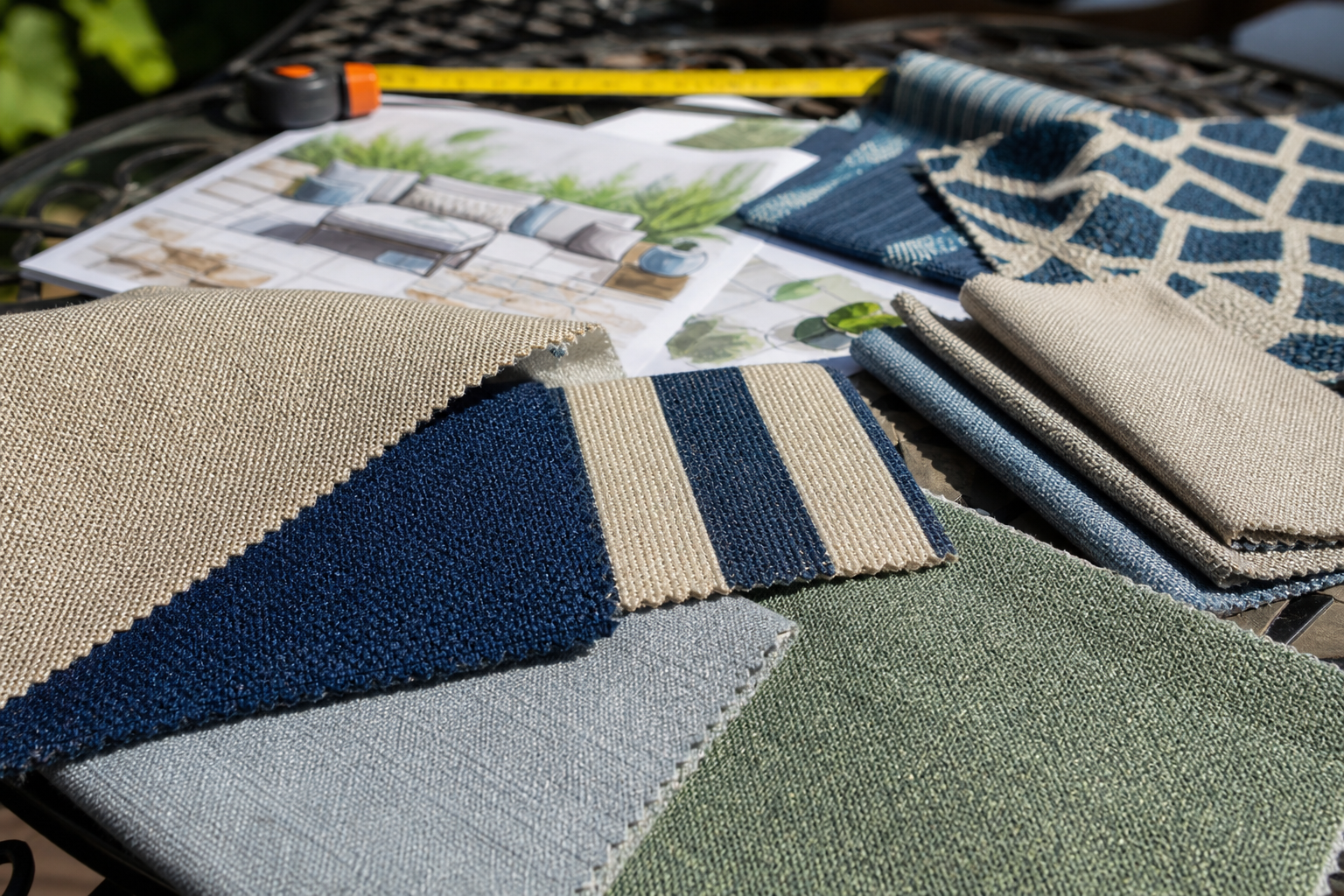
Mistake #3: Limiting Your Selection of Choosing Fabric Samples
Many people make the mistake of requesting only a handful of samples, or worse, just one or two. This severely restricts your options and can lead to settling for a fabric that isn’t truly ideal. To make the best decision, you need a diverse range of choices for Choosing Fabric Samples. How many fabric samples are typically recommended for a major purchase like a sofa? For a major purchase, it’s generally recommended to narrow down your choices to 3-5 fabric samples. This allows for sufficient comparison without overwhelming you. Having a few top contenders helps you weigh the pros and cons more effectively and visualize the best fit for your room.
Sourcing a Diverse Range of Options
Where can I get free or low-cost fabric samples for interior design? Many fabric retailers, manufacturers, and online stores offer free or low-cost fabric samples. Websites like American Slings and Patio Supplies often provide free samples, especially for outdoor upholstery. Additionally, interior design centers and some larger craft stores may have sample books available for loan or purchase, making Choosing Fabric Samples more accessible. Don’t be afraid to explore different brands and suppliers. For high-quality outdoor fabric samples, top brands include Sunbrella, Outdura, and Phifertex. American Slings and Patio Supplies is a reputable supplier that provides samples from these and other leading brands, specializing in durable and weather-resistant options ideal for patio furniture. You can explore their extensive collection at American Slings and Patio Supplies. The typical cost range for ordering multiple fabric samples varies widely. Many companies offer free samples. Others might charge a nominal fee per sample (e.g., $1-$5) to cover shipping and handling, or offer sample sets for a flat fee (e.g., $10-$20). When can I expect my fabric sample order to be delivered? Delivery times typically range from 3 to 10 business days.
Organizing and Managing Your Swatches
Once you have a collection, effective organization is key. How do interior designers organize and store their fabric samples? They often organize them by color, texture, pattern, or project. Common storage methods include ring binders, specialized sample boxes, or large filing cabinets. Proper labeling and a systematic approach are key to efficiently manage a large collection. Consider creating a mood board or a dedicated sample box. Label each sample with the fabric name, supplier, and any relevant specifications. This systematic approach will streamline your decision-making process and prevent confusion.
Elevate Your Patio with Expert Choosing Fabric Samples Advice!
American Slings and Patio Supplies offers premium fabric samples and unparalleled guidance for your outdoor furniture restoration.
Mistake #4: Overlooking Durability and Performance When Choosing Fabric Samples
A beautiful fabric that quickly fades, mildews, or tears is a poor investment, especially for outdoor use. Many homeowners prioritize aesthetics over functionality, leading to premature wear and dissatisfaction. When Choosing Fabric Samples for your patio, durability and performance specifications are paramount. Why do fabric samples sometimes differ slightly from the actual product? Fabric samples can differ slightly from the actual product due to dye lot variations, which are minor color differences between production batches. Manufacturing tolerances and variations in screen display settings when viewing online images can also contribute to subtle discrepancies, making physical samples all the more important for assessing true color and texture.
Understanding Outdoor Fabric Specifications
Outdoor fabrics are engineered to withstand harsh elements. Look for key specifications such as:
- UV Resistance: Measured by a UPF (Ultraviolet Protection Factor) rating, this indicates how well the fabric resists fading from sun exposure. High UPF is crucial for longevity.
- Water Resistance/Repellency: Essential for preventing mildew and rot. Some fabrics are water-resistant, while others are fully waterproof.
- Mildew Resistance: Fabrics treated for mildew resistance will prevent unsightly growth in damp conditions.
- Abrasion Resistance: Often measured by a Wyzenbeek double rub count, this indicates the fabric’s ability to withstand wear and tear from friction. Higher numbers mean greater durability.
These technical details are non-negotiable for outdoor applications.
The Importance of Material Composition
The material composition directly impacts performance. Acrylics like Sunbrella are renowned for their colorfastness and UV resistance. Vinyl-coated polyester, often used for sling fabrics, offers exceptional strength and easy cleaning. Understanding these materials is vital for Choosing Fabric Samples that will last. Always inquire about the fabric’s care instructions. Some outdoor fabrics are machine washable, while others require spot cleaning. Ease of maintenance is a significant factor in long-term satisfaction. 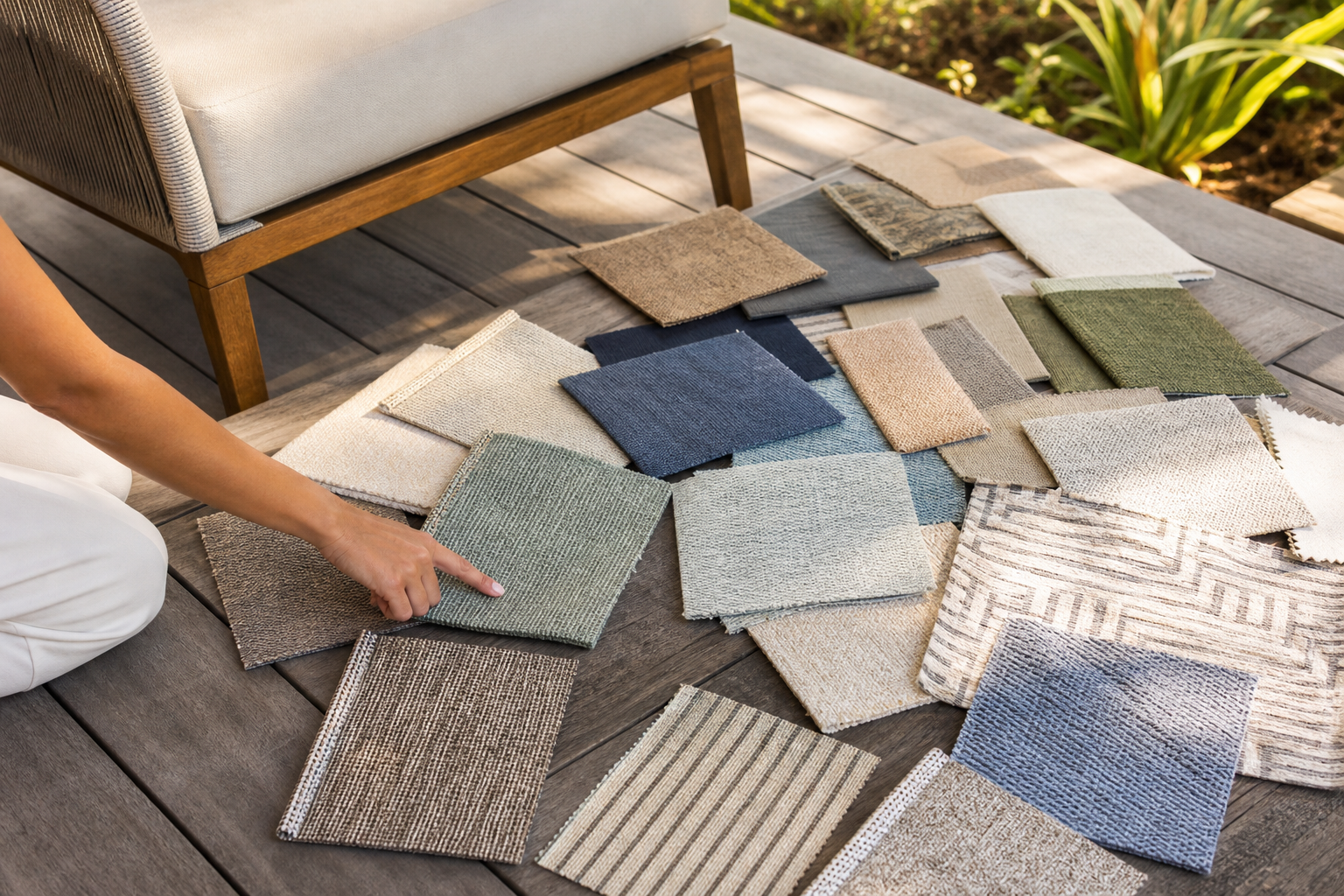
Mistake #5: Ignoring Texture and Pattern Scale When Choosing Fabric Samples
It’s easy to get caught up in color, but texture and pattern scale play an equally vital role in the overall aesthetic of your patio. A fabric that looks stunning on a small swatch might overwhelm a large piece of furniture, or vice versa. This often overlooked aspect is crucial when Choosing Fabric Samples. How do you effectively choose fabric samples for upholstery or drapes? Begin by defining your functional needs. Request samples of various options, considering different textures and patterns. Evaluate them in your home under different lighting conditions and at various times of day. Consider how the fabric interacts with existing decor and other elements of your design.
The Tactile Experience of Texture
Texture adds depth and interest to your patio design. A smooth, tightly woven fabric offers a sleek, modern look, while a more textured weave can provide a cozy, inviting feel. Consider how the texture will feel against your skin, especially for seating areas. Different textures also reflect light differently, impacting the perceived color and overall ambiance. Don’t underestimate the power of a rich, tactile fabric to elevate your outdoor space.
Understanding Pattern Scale and Repeat
Pattern scale refers to the size of the design element within the fabric. A large, bold pattern might be perfect for a single accent pillow but could be overwhelming on an entire sofa. Conversely, a subtle, small-scale pattern might get lost on a large surface. The pattern repeat is the distance before the pattern begins again. For larger furniture pieces, understanding the repeat is crucial for proper upholstery and to ensure the pattern looks balanced and intentional. Always consider the size of your furniture when Choosing Fabric Samples with patterns.
Mistake #6: Rushing the Decision Process for Choosing Fabric Samples
The final critical mistake is making a hasty decision. Transforming your patio is an investment, and rushing the fabric selection can lead to regret. Take your time, live with the samples, and allow yourself to make a confident choice. What are the best practices for sharing fabric samples with clients? Provide a curated selection that aligns with their brief, clearly label each sample, and offer guidance on evaluating them. Encourage clients to view samples in their own home and lighting, and allow them sufficient time for their decision-making process. This applies equally to your own projects.
Living with Your Samples
Once you’ve narrowed down your choices, place the samples in their intended locations on your patio. Observe them over several days, at different times, and in various weather conditions. This extended observation period allows you to truly visualize how the fabric will look and feel in daily use. Don’t be afraid to move them around. See how they look against different pieces of furniture, near plants, or next to your outdoor dining area. This immersive evaluation is key to making a decision you’ll be happy with for years to come.
Seeking Second Opinions and Expert Advice
While your personal preference is paramount, a fresh pair of eyes can offer valuable perspective. Ask a trusted friend or family member for their opinion. For more complex projects, consider consulting with an outdoor design professional. Their expertise can help you navigate difficult choices and confirm your selections. How do I request fabric samples from a specific manufacturer? Visit their official website and look for a “samples,” “swatches,” or “contact us” section. Many have dedicated forms or direct links for ordering. Alternatively, you can contact their customer service directly or inquire through a local dealer or distributor. Where can I buy fabric sample books instead of individual swatches? These can often be purchased directly from the manufacturer, through fabric distributors, or from specialized interior design supply stores.
What are fabric samples and why are they important for design projects?
Fabric samples, also known as swatches, are small pieces of material provided by manufacturers or suppliers. They are crucial for design projects as they allow you to physically assess the fabric’s color, texture, weight, and drape in your actual environment, ensuring it meets your aesthetic and functional requirements before committing to a larger purchase. For patio furniture, “Choosing Fabric Samples” is essential to guarantee durability and fade resistance.
How do you effectively choose fabric samples for upholstery or drapes?
To effectively choose fabric samples, begin by defining your functional needs (e.g., durability, UV resistance for outdoor use). Request samples of various options, considering different textures and patterns. Evaluate them in your home under different lighting conditions and at various times of day. Consider how the fabric interacts with existing decor and other elements of your design.
Where can I get free or low-cost fabric samples for interior design?
Many fabric retailers, manufacturers, and online stores offer free or low-cost fabric samples. Websites like American Slings and Patio Supplies often provide free samples, especially for outdoor upholstery. Additionally, interior design centers and some larger craft stores may have sample books available for loan or purchase, making “Choosing Fabric Samples” more accessible.
What specific factors should I consider when evaluating fabric samples in my home?
When evaluating fabric samples, consider color accuracy under natural and artificial light, texture against your skin and other furnishings, and the fabric’s drape if it’s for drapes. For upholstery, assess durability, cleanability, and how the pattern scales within your space. Crucially, check how the “Choosing Fabric Samples” look next to existing elements like wall colors and flooring.
Why is it crucial to check fabric samples in different lighting conditions?
Fabric colors can appear drastically different under various lighting conditions. Natural daylight reveals true tones, while incandescent or LED lighting can alter shades, making colors look warmer or cooler. Checking samples in different lights ensures the fabric’s appearance will be satisfactory throughout the day and night in its intended location, preventing disappointment.
How many fabric samples are typically recommended for a major purchase like a sofa?
For a major purchase like a sofa, it’s generally recommended to narrow down your choices to 3-5 fabric samples. This allows for sufficient comparison without overwhelming you. Having a few top contenders helps you weigh the pros and cons more effectively and visualize the best fit for your room when “Choosing Fabric Samples”.
What is the typical cost range for ordering multiple fabric samples?
The cost of ordering multiple fabric samples varies widely. Many companies, especially those specializing in outdoor fabrics like American Slings and Patio Supplies, offer free samples. Others might charge a nominal fee per sample (e.g., $1-$5) to cover shipping and handling, or offer sample sets for a flat fee (e.g., $10-$20).
Who are the best suppliers or brands for high-quality fabric samples?
For high-quality outdoor fabric samples, top brands include Sunbrella, Outdura, and Phifertex. American Slings and Patio Supplies is a reputable supplier that provides samples from these and other leading brands, specializing in durable and weather-resistant options ideal for patio furniture.
When can I expect my fabric sample order to be delivered?
Delivery times for fabric sample orders typically range from 3 to 10 business days, depending on the supplier’s location, shipping method, and your proximity. Expedited shipping options might be available for an additional cost if you need to expedite your “Choosing Fabric Samples” decision.
How do interior designers organize and store their fabric samples?
Interior designers often organize fabric samples by color, texture, pattern, or project. Common storage methods include ring binders, specialized sample boxes, large filing cabinets, or even rolling carts for easy access. Proper labeling and a systematic approach are key to efficiently manage a large collection of “Choosing Fabric Samples” for various clients.
What is the difference between a fabric swatch and a full fabric sample?
A fabric swatch is typically a very small piece of fabric, primarily used for color and basic texture matching. A full fabric sample is usually larger (e.g., 6×6 inches or more), providing a better representation of the fabric’s pattern repeat, drape, and overall feel, offering a more comprehensive evaluation for “Choosing Fabric Samples.”
Why do fabric samples sometimes differ slightly from the actual product?
Fabric samples can differ slightly from the actual product due to dye lot variations, which are minor color differences between production batches. Manufacturing tolerances and variations in screen display settings when viewing online images can also contribute to subtle discrepancies, making physical “Choosing Fabric Samples” all the more important.
How do I request fabric samples from a specific manufacturer?
To request fabric samples from a specific manufacturer, visit their official website and look for a “samples,” “swatches,” or “contact us” section. Many have dedicated forms or direct links for ordering. Alternatively, you can contact their customer service directly or inquire through a local dealer or distributor.
Where can I buy fabric sample books instead of individual swatches?
Fabric sample books, which contain a comprehensive range of a manufacturer’s or collection’s fabrics, can often be purchased directly from the manufacturer, through fabric distributors, or from specialized interior design supply stores. These are valuable resources for professionals regularly “Choosing Fabric Samples.”
What are the best practices for sharing fabric samples with clients?
Best practices for sharing fabric samples with clients include providing a curated selection that aligns with their brief, clearly labeling each sample, and offering guidance on evaluating them. Encourage clients to view samples in their own home and lighting, and allow them sufficient time for their decision-making process.
Conclusion: Mastering the Art of Choosing Fabric Samples
Successfully transforming your patio begins with meticulous attention to detail, especially when it comes to fabric selection. By diligently avoiding these 6 critical mistakes, you empower yourself to make choices that are not only aesthetically pleasing but also functional and enduring. From understanding the true nature of physical swatches to evaluating them in their real-world environment, and from prioritizing durability to appreciating texture and pattern, every step contributes to a cohesive and beautiful outdoor space. Choosing Fabric Samples wisely ensures your patio furniture will stand the test of time and style, providing years of enjoyment. Embrace this process with confidence, and create the outdoor sanctuary you’ve always envisioned.
Learn more from authoritative resources: Consumer Reports and HGTV.