

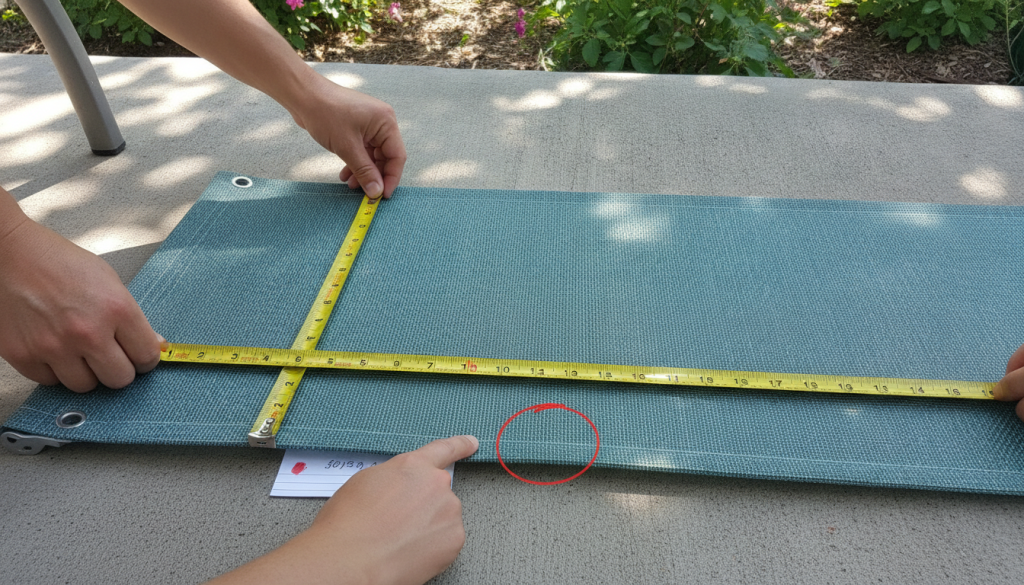
The integrity of any lifting operation hinges on precision. Even the slightest miscalculation can lead to catastrophic failures, making the avoidance of Sling Measurement Errors an absolute priority for safety and operational efficiency. For professionals in manufacturing, logistics, and construction, understanding and mitigating these errors is not just a best practice—it’s a non-negotiable requirement. This comprehensive guide delves into the critical aspects of sling measurement, offering 8 proven ways to achieve a perfect fit and ensure the utmost safety in every lift. We will explore common pitfalls, discuss the right tools and techniques, and highlight industry standards that govern these vital components of material handling. Consider this your essential resource for mastering sling accuracy and safeguarding your operations against costly and dangerous mistakes.
Key Takeaways
- Understand the most common Sling Measurement Errors and their severe safety implications in lifting operations.
- Learn 8 proven techniques to ensure accurate sling length and width, preventing premature wear and operational hazards.
- Discover the essential tools and environmental considerations for precise sling verification and how they minimize discrepancies.
- Gain insights into industry standards and best practices for sling inspection, manufacturing, and ongoing accuracy checks.
Understanding Common Sling Measurement Errors
Sling Measurement Errors are a pervasive issue across various industries, often leading to compromised safety and operational inefficiencies. These mistakes can manifest in numerous ways, from slight discrepancies in length to significant miscalculations in capacity. Recognizing these common errors is the first step toward implementing effective prevention strategies. Without a clear understanding of where things can go wrong, even experienced professionals can fall victim to these critical oversights.
One of the most frequent issues involves misinterpreting the effective length of a sling. This isn’t just about the physical length of the material, but how it functions under load. Incorrectly measuring the distance between bearing points can lead to slings that are either too long, causing excessive sag and instability, or too short, leading to overstressing and potential failure. Both scenarios present significant safety hazards and contribute to premature wear of the equipment.
Addressing these Sling Measurement Errors requires a meticulous approach.
Common Pitfalls in Sling Measurement Errors
- Incorrect Effective Length: Measuring the overall length instead of the effective working length under tension.
- Width Miscalculation: Failing to account for the sling’s width in relation to the load’s attachment points or shackle sizes.
- Ignoring Material Stretch/Shrinkage: Not considering how different sling materials (e.g., synthetic, wire rope) behave under load or environmental conditions.
- Improper Angle Consideration: Overlooking the impact of sling angles on tension and effective length, especially in multi-leg lifts.
- Wear and Tear Distortion: Measuring an old, stretched, or damaged sling as a template for a new one, perpetuating Sling Measurement Errors.
- Inadequate Tool Usage: Relying on imprecise measuring tools or methods that lack the necessary accuracy for critical lifting components.
These errors are not merely inconveniences; they directly impact the load’s stability, the safety of personnel, and the lifespan of both the sling and the lifted material. A thorough understanding of these common issues is fundamental to preventing Sling Measurement Errors and ensuring successful, safe lifting operations.
Why Accurate Sling Length Measurement is Critical to Avoid Sling Measurement Errors
Accurate sling length measurement is not just a recommendation; it is a fundamental requirement for safe and efficient lifting operations. The consequences of Sling Measurement Errors in this area can range from minor operational delays to severe accidents, making precision paramount. Every aspect of a lift, from load distribution to stability, is directly influenced by the exact length of the slings being used. When slings are not measured correctly, the entire lifting system is compromised.
An improperly measured sling can lead to uneven load distribution, causing some legs to bear more weight than intended. This overloads individual sling components, increasing the risk of sudden failure. Furthermore, incorrect length can result in the load tilting or swinging unpredictably, creating hazardous conditions for personnel and potential damage to property. These are direct safety implications of Sling Measurement Errors that cannot be overlooked. The integrity of the lift depends on meticulous attention to detail.
Beyond immediate safety concerns, accurate sling length measurement also contributes to the longevity of your equipment. Slings that are consistently overstressed due to incorrect length will experience accelerated wear and tear, leading to more frequent replacements and increased operational costs. By ensuring precise measurements, you not only enhance safety but also optimize the performance and lifespan of your lifting gear. This proactive approach helps to avoid future Sling Measurement Errors and maintains a high standard of operational excellence.
8 Proven Ways to Avoid Sling Measurement Errors for a Perfect Fit
Preventing Sling Measurement Errors requires a systematic and disciplined approach. By implementing proven techniques, professionals can significantly enhance accuracy and ensure every sling is perfectly suited for its intended task. These methods are designed to minimize the risk of miscalculation, improve safety, and extend the life of your lifting equipment. Mastering these techniques is essential for anyone involved in the selection, inspection, or use of lifting slings.
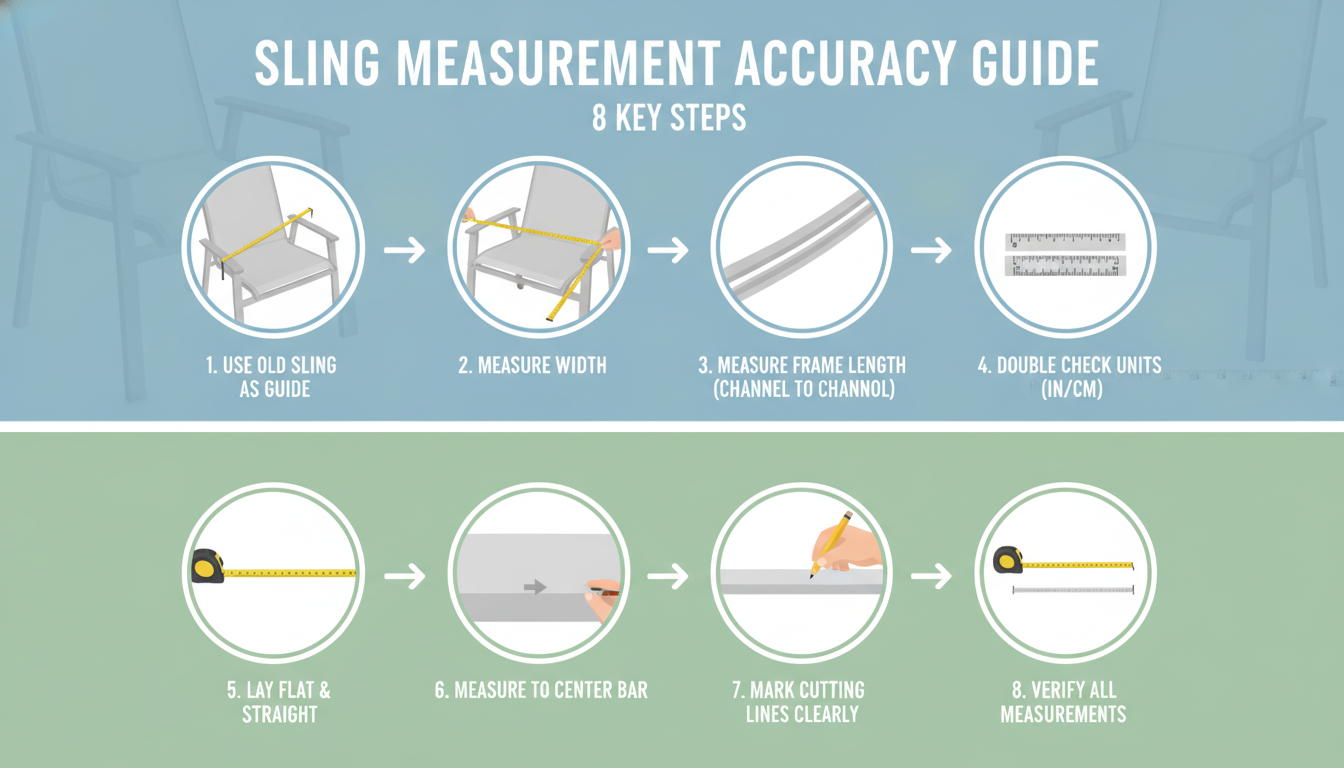
Here are 8 proven ways to achieve a perfect fit and eliminate common Sling Measurement Errors:
- Always Measure the Frame or Attachment Points, Not the Old Sling: Old slings can stretch, shrink, or deform over time. Relying on them as a template is a common source of Sling Measurement Errors. Instead, measure the exact distances between the attachment points on the equipment or load itself. This provides the true, original dimensions needed for a new sling.
- Use a Flexible, Calibrated Tape Measure: A high-quality, flexible steel tape measure is indispensable. Ensure it is regularly calibrated to maintain accuracy. Flexible tapes allow for precise measurement along contours and around attachment points, reducing the chance of misreading.
- Measure Under Consistent Tension: When measuring synthetic slings, apply a slight, consistent tension to remove slack without stretching the material excessively. This mimics the sling’s behavior under a light load and helps prevent Sling Measurement Errors related to material elasticity.
- Verify Measurements Multiple Times: The “measure twice, cut once” adage is particularly relevant here. Have at least two different individuals take the same measurement, or take it yourself multiple times, to confirm consistency. Any significant discrepancy indicates a potential error that needs to be resolved before proceeding.
- Account for Sling Angle and Effective Length: For multi-leg slings, the effective length changes with the sling angle. Use appropriate formulas or load charts to calculate the correct effective length based on the intended lifting angle. Failing to do so is a major cause of Sling Measurement Errors in complex lifts.
- Consider Material Thickness and Hardware: Remember that the sling material itself and any end fittings (shackles, hooks) will occupy space. Account for these dimensions, especially when fitting slings into tight clearances or around specific components.
- Document All Measurements and Specifications: Maintain detailed records of all measurements, sling specifications, and the equipment they are intended for. This documentation serves as a valuable reference for future replacements and helps to identify patterns of Sling Measurement Errors.
- Consult Industry Standards and Manufacturer Guidelines: Always refer to relevant industry standards (e.g., ASME B30.9 for slings) and the sling manufacturer’s specific guidelines. These resources provide critical information on tolerances, safe working loads, and proper measurement techniques, directly helping to avoid Sling Measurement Errors.
By diligently applying these eight proven methods, you can significantly reduce the incidence of Sling Measurement Errors, ensuring safer operations and a perfect fit for every lifting application.
Avoid Sling Measurement Errors: Get the Perfect Fit for Your Patio Furniture with American Slings
Ensure your outdoor furniture looks and feels new with custom-made slings tailored to your exact specifications. American Slings and Patio Supplies provides durable, US-made components that guarantee a flawless result.
The Safety Implications of Incorrectly Measured Lifting Slings
The safety implications of using an incorrectly measured lifting sling are profound and can lead to severe consequences. When Sling Measurement Errors occur, the entire lifting operation is placed at an elevated risk, endangering personnel, damaging equipment, and potentially causing significant financial losses. Understanding these risks is crucial for fostering a culture of safety and precision in all lifting environments.
One of the primary dangers is the potential for catastrophic failure. A sling that is too short can be overstressed, exceeding its working load limit even with a seemingly light load. This can lead to sudden snapping or tearing, causing the load to drop unexpectedly. Conversely, a sling that is too long can result in the load shifting or swinging uncontrollably, making it difficult to maneuver and increasing the risk of collision with structures or personnel.
These scenarios are direct results of unaddressed Sling Measurement Errors.
Beyond immediate structural failure, improperly measured slings can also cause uneven load distribution across multiple sling legs. This creates unbalanced tension, where some legs are dangerously overloaded while others are underutilized. Such an imbalance can lead to premature wear on the overloaded components, making them susceptible to failure over time.
The cumulative effect of these Sling Measurement Errors can compromise the long-term integrity of your lifting equipment, necessitating costly repairs or replacements and, more importantly, increasing the likelihood of future accidents. Adhering to strict measurement protocols is not just good practice; it is a life-saving imperative.
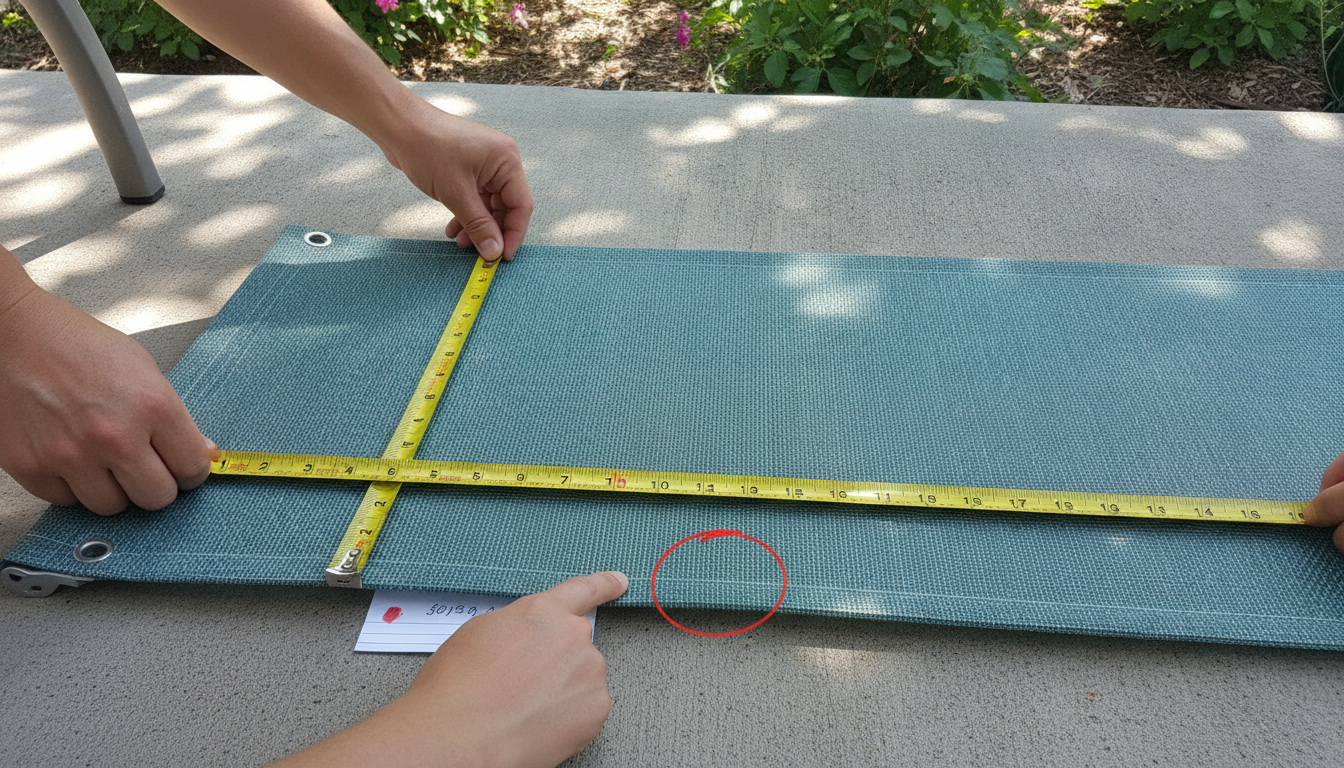
Environmental Factors and Their Impact on Sling Measurement Accuracy
Environmental factors play a significant, yet often underestimated, role in contributing to Sling Measurement Errors. The conditions under which slings are measured and used can directly affect their physical properties and, consequently, the accuracy of their dimensions. Ignoring these external influences can lead to subtle but critical discrepancies that compromise safety and performance. A comprehensive approach to sling management must account for these environmental variables.
How Environmental Conditions Lead to Sling Measurement Errors
- Temperature Fluctuations: Extreme heat or cold can cause materials to expand or contract. While minimal for steel, synthetic slings can be more susceptible to dimensional changes. Measuring a sling in a very cold environment versus a very hot one can introduce slight Sling Measurement Errors that become significant under load.
- Humidity and Moisture: High humidity or direct exposure to moisture can affect synthetic sling materials, causing them to absorb water and potentially swell or stretch. This alters their effective length and can lead to miscalculations if not accounted for during measurement.
- Contaminants (Dirt, Grease, Chemicals): Accumulation of dirt, grease, or exposure to chemicals can degrade sling materials, affecting their flexibility and structural integrity. While not directly a measurement error, a compromised sling might behave differently under tension, making accurate measurement more challenging.
- UV Exposure: Prolonged exposure to ultraviolet (UV) radiation, especially for synthetic slings, can cause material degradation, leading to weakening and potential stretching. This can result in Sling Measurement Errors if the sling’s actual working length has changed due to environmental damage.
- Storage Conditions: Improper storage, such as slings being coiled too tightly, stored under heavy objects, or exposed to the elements, can induce permanent deformation. Measuring a sling that has been poorly stored can lead to inaccurate readings and subsequent Sling Measurement Errors during use.
To mitigate these risks, it is essential to measure slings in a controlled environment whenever possible, or at least be aware of the ambient conditions. Regular inspection for environmental damage is also critical. By understanding how these factors influence sling dimensions, professionals can take proactive steps to prevent Sling Measurement Errors and ensure consistent accuracy.
Selecting the Right Tools to Minimize Sling Measurement Errors
Minimizing Sling Measurement Errors begins with the selection of appropriate and reliable measuring equipment. The quality and type of tools used directly impact the precision of your measurements, which in turn affects the safety and efficiency of lifting operations. Investing in the right equipment and ensuring its proper maintenance are non-negotiable steps for any professional involved in sling management.
For precise sling length verification, a high-quality, flexible steel tape measure is indispensable. It should be clearly marked, easy to read, and long enough to measure the entire effective length of the sling without needing to reposition. Avoid using flimsy cloth tapes, which can stretch and lead to significant Sling Measurement Errors. Digital calipers can also be beneficial for extremely precise width measurements of end fittings or attachment points, ensuring compatibility with the load.
Beyond the measuring tape itself, a stable, flat surface for laying out slings is crucial. This helps to ensure that the sling is fully extended and not subject to kinks or twists that could distort measurements. A notepad and pen are simple yet essential tools for immediately recording measurements, preventing transcription errors. Regularly calibrating all measuring equipment according to manufacturer guidelines is also vital to prevent tool-related Sling Measurement Errors.
By prioritizing the right tools and their upkeep, you lay the foundation for accurate and reliable sling measurements.
Industry Standards and Responsibilities in Preventing Sling Measurement Errors
Adherence to industry standards is paramount in preventing Sling Measurement Errors and ensuring the overall safety of lifting operations. These standards provide a framework of best practices, guidelines, and tolerances that professionals must follow. Understanding and implementing these regulations is not just about compliance; it’s about establishing a robust safety culture where precision is prioritized. The responsibility for identifying and correcting discrepancies falls on multiple stakeholders within an organization.
Key industry standards, such as those published by the American Society of Mechanical Engineers (ASME), specifically ASME B30.9 for slings, outline detailed requirements for sling design, manufacturing, inspection, and use. These standards often specify acceptable tolerances for length, width, and other critical dimensions, directly addressing potential Sling Measurement Errors. For instance, OSHA’s regulations on slings also provide crucial guidelines for workplace safety, emphasizing proper inspection and maintenance.
Who is responsible? Manufacturers are responsible for producing slings that meet specified dimensions and tolerances. Purchasers and users are responsible for verifying these dimensions upon receipt and during pre-use inspections. Safety managers and supervisors are tasked with ensuring that all personnel are trained in proper measurement techniques and that measuring equipment is calibrated. Ultimately, preventing Sling Measurement Errors is a shared responsibility, requiring diligence from everyone involved in the lifting process.
Regular training and adherence to these established protocols are the cornerstones of a safe lifting environment.
Ongoing Verification and Signs of Sling Measurement Errors
Preventing Sling Measurement Errors is not a one-time task; it requires ongoing vigilance and a commitment to regular verification. Slings, like all equipment, are subject to wear, environmental factors, and operational stresses that can alter their dimensions over time. Establishing a routine for re-verifying sling dimensions and recognizing the signs of incorrect measurement are critical components of a comprehensive safety program.
How Often to Re-Verify and What to Look For
A sling’s dimensions typically do not need re-verification unless the frame or attachment points it serves have been damaged or altered. However, when replacing slings, always measure the frame, not the old sling, as the old sling may have stretched or shrunk due to use or environmental exposure. Regular visual inspections for signs of sag, fraying, or unusual wear can indicate if a replacement is needed or if previous Sling Measurement Errors are manifesting.
These inspections should be part of a routine maintenance schedule.
What are the clear signs that a sling might have been incorrectly measured? Excessive sagging or bagginess in a sling, particularly under a lighter load, is a strong indicator that it is too long. Conversely, extreme difficulty in installation, or rips and tears occurring during the installation process, suggest the sling is too short. Fabric pulling away from the frame channels or bulges and gaps along the sides can point to incorrect width measurements.
Any of these observations are red flags, signaling that Sling Measurement Errors have occurred and require immediate attention. Addressing these issues promptly is essential to maintain safety and prevent further operational problems.
For companies specializing in sling testing and certification, regular audits can provide an external layer of verification. These experts can identify subtle dimensional changes or material degradations that might be missed during routine internal checks. Utilizing such services helps ensure that all slings, regardless of their age or material, continue to meet safety standards and are free from critical Sling Measurement Errors.
Conclusion: Mastering Precision to Eliminate Sling Measurement Errors
Mastering precision in lifting operations is fundamentally about eliminating Sling Measurement Errors. As we’ve explored, these errors are not merely minor inconveniences; they pose significant safety risks, lead to equipment damage, and can result in costly operational delays. From understanding common pitfalls to implementing proven measurement techniques and adhering to stringent industry standards, every step taken towards accuracy contributes to a safer and more efficient workplace. The 8 proven ways discussed provide a robust framework for professionals to ensure a perfect fit for every sling, every time.
The responsibility for preventing Sling Measurement Errors is shared across manufacturers, inspectors, and end-users. By consistently applying meticulous measurement practices, utilizing calibrated tools, and remaining vigilant about environmental factors and signs of wear, you can significantly mitigate risks. Prioritizing accuracy in sling measurement is an investment in safety, operational longevity, and peace of mind. Let precision be the cornerstone of all your lifting endeavors.
Common Questions About Sling Measurement Errors
What are the most common sling measurement errors?
Common sling measurement errors include incorrect length (too short or too long), improper width (not accounting for fabric stretch or frame groove), miscalculating fabric shrinkage, and failing to measure the frame channels accurately. These mistakes lead to ill-fitting, sagging, or difficult-to-install slings.
Why is accurate sling length measurement critical for patio chair slings?
Accurate sling length measurement is critical for patio chair slings to ensure safety, comfort, and durability. An improperly measured sling can sag excessively, putting strain on the fabric and frame, leading to premature wear, discomfort for users, and potential tearing. A perfect fit extends the life of your furniture.
How can I avoid errors when measuring the effective length of a patio sling?
To avoid sling measurement errors, always measure the frame from bolt hole to bolt hole along the rail, not the old sling. Use a flexible tape measure, ensure the frame is on a flat surface, and measure at least twice. Account for fabric thickness and natural stretch by following a reputable guide like those provided by American Slings and Patio Supplies.
What are the safety implications of using an incorrectly measured patio chair sling?
Using an incorrectly measured patio chair sling can lead to several safety implications, primarily related to structural integrity and user comfort. A sling that’s too loose can cause a person to sink uncomfortably low, potentially leading to falls if they lose balance. Overly tight slings can stress the frame, leading to cracks or breaks, especially at attachment points, creating pinch hazards or instability.
What specific tools are recommended for precise patio sling length verification?
For precise patio sling length verification, a good quality steel tape measure (preferably flexible for contours) is essential. A notepad and pen for recording measurements, and a flat, stable surface for the furniture frame are also highly recommended. Some professionals might use digital calipers for extremely precise width measurements of channels.
How often should a patio sling’s dimensions be re-verified to ensure ongoing accuracy?
Patio sling dimensions typically do not need re-verification unless the frame itself has been damaged or altered. However, when replacing slings, always measure the frame, not the old sling, as the old sling may have stretched or shrunk. Regular visual inspections for signs of sag or wear can indicate if a replacement is needed.
What are the signs that a patio sling might have been incorrectly measured?
Signs of an incorrectly measured patio sling include excessive sagging or bagginess (too long), extreme difficulty in installation or rips during installation (too short), fabric pulling away from the frame channels (too narrow), or bulges/gaps along the sides (too wide). These issues are clear indicators of sling measurement errors.
How do I select the right measuring equipment to minimize sling measurement errors?
To minimize sling measurement errors, select a measuring tape that is at least six feet long, flexible but sturdy, and clearly marked in both inches and fractions. Avoid flimsy cloth tapes that can stretch. Ensure the tape’s end hook is accurate. For fabric width, a stiff ruler or a straight edge can help achieve precise cuts.