

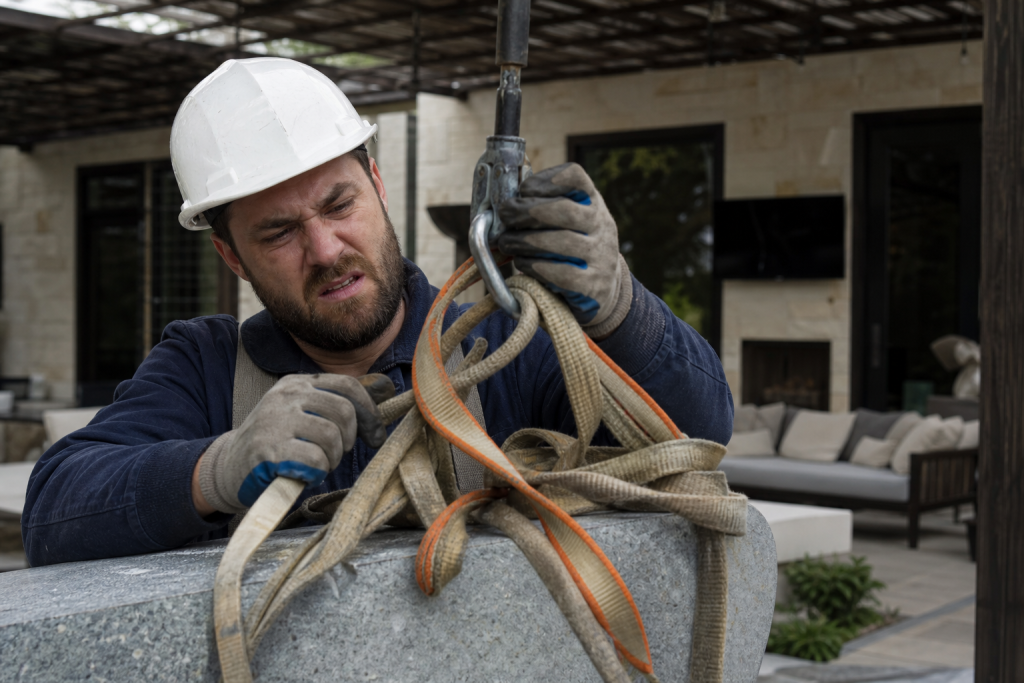
The world of industrial lifting is fraught with complexities, where the smallest oversight can lead to significant consequences. Achieving a secure and stable lift begins with proper rigging, and often, this process introduces a unique set of difficulties. For professionals in construction, manufacturing, and logistics, mastering Sling Installation Challenges is not just about efficiency; it is fundamentally about safety. This guide provides essential insights and actionable strategies to navigate these intricate scenarios.
From balancing unwieldy loads to contending with environmental variables, the demands on rigging teams are constant. This article will explore the most common obstacles encountered during industrial sling installation, offering 7 proven solutions to ensure a perfect fit and flawless operation every time. Our aim is to equip you with the knowledge to mitigate risks, enhance precision, and elevate the success of all your lifting projects.
Key Takeaways for Overcoming Sling Installation Challenges
- Identify the most common Sling Installation Challenges, including load balancing and environmental factors, to proactively mitigate risks.
- Discover 7 proven strategies and specialized tools that simplify complex rigging scenarios and ensure a perfect fit.
- Understand the critical importance of proper load securement and adherence to manufacturer guidelines for preventing failures.
- Learn how to select the right sling material and implement effective damage prevention techniques to enhance safety and longevity.
Understanding Common Sling Installation Challenges
Industrial sling installation is a critical step in any heavy lifting operation, yet it frequently presents a range of complex hurdles. These challenges can arise from the nature of the load itself, the working environment, or even the choice of rigging equipment. Recognizing these common difficulties is the first step toward developing effective mitigation strategies and ensuring a safe lift.
One of the primary Sling Installation Challenges involves accurately determining the load’s center of gravity. Misjudging this can lead to unstable lifts, uneven stress on slings, and dangerous load swings. Another significant issue is the presence of awkward or inaccessible rigging points, which complicates sling placement and securement, often requiring creative solutions or specialized hardware.
Furthermore, inadequate clearance around the load or within the lifting path can severely restrict movement and visibility, making precise sling positioning difficult. Complex lifting angles also contribute to the challenge, as they can reduce the effective capacity of slings and introduce unexpected forces. Addressing these fundamental issues proactively is essential for successful and safe operations.
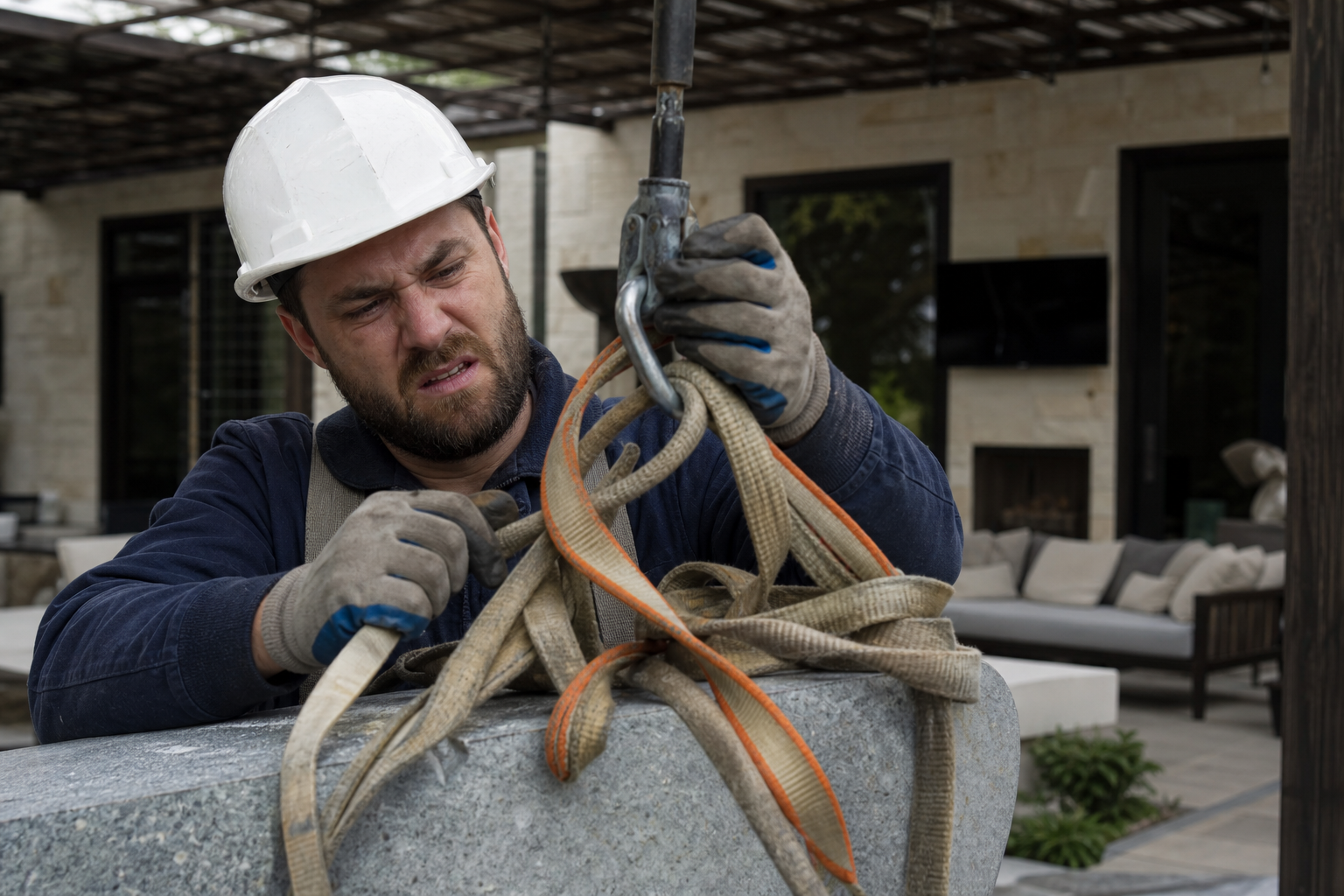
Load Balancing and Rigging Point Difficulties
Achieving perfect load balance is paramount. An unbalanced load can cause slings to slip, shift, or become overloaded, leading to catastrophic failure. Riggers must meticulously assess the load’s weight distribution and adjust sling lengths accordingly. Similarly, when rigging points are not ideal, such as being too sharp, too few, or poorly positioned, it exacerbates Sling Installation Challenges, requiring careful planning and often the use of protective padding or spreader beams.
7 Proven Solutions for Overcoming Sling Installation Challenges
Successfully navigating the complexities of industrial lifting requires a systematic approach and adherence to best practices. These 7 proven solutions are designed to address the most prevalent Sling Installation Challenges, ensuring greater safety, efficiency, and reliability in your operations. Implementing these strategies can transform difficult lifts into manageable tasks, minimizing risks and maximizing productivity.
- Thorough Pre-Lift Planning: Every lift should begin with a detailed plan. This includes assessing the load’s weight, dimensions, and center of gravity, identifying all rigging points, and selecting the appropriate slings and hardware. A comprehensive plan anticipates potential challenges and outlines solutions before any lifting begins.
- Regular Equipment Inspection: Before each use, all slings, shackles, hooks, and lifting beams must undergo a thorough inspection for wear, damage, or defects. Damaged equipment is a leading cause of installation failures. Adhering to ASME B30.9 Slings standards is crucial for safety.
- Proper Load Securement Techniques: Ensure slings are correctly attached and secured, avoiding twists, knots, or excessive slack. Use appropriate hitch types (e.g., vertical, choker, basket) based on the load’s characteristics and the lift’s requirements. Proper securement prevents load shifts and uneven stress distribution.
- Utilize Specialized Rigging Tools: For unique or complex loads, standard slings may not suffice. Employ lifting beams, spreader bars, equalizer plates, or specialized shackles to distribute weight evenly, maintain load stability, and overcome awkward rigging configurations.
- Clear Communication Protocols: Effective communication among the lift team (crane operator, riggers, signal persons, supervisor) is vital. Use standardized hand signals, two-way radios, and pre-lift briefings to ensure everyone understands their role and the lift plan, especially when facing intricate Sling Installation Challenges.
- Continuous Training and Certification: Ensure all personnel involved in rigging and lifting operations are properly trained and certified. Ongoing education on new techniques, equipment, and safety regulations helps maintain a high level of competence and reduces human error.
- Adherence to Manufacturer Guidelines: Always follow the sling and hardware manufacturer’s instructions for use, inspection, and maintenance. These guidelines provide critical information on load capacities, environmental limitations, and proper handling, which are essential for safe and effective sling installation.
Troubleshooting and Preventing Sling Installation Challenges
Even with meticulous planning, unexpected issues can arise during sling installation. Knowing how to effectively troubleshoot and implement preventative measures is key to maintaining safety and operational flow. Many common problems can be avoided by understanding their root causes and applying systematic solutions.
Effective Troubleshooting for Sling Rigging Issues
When issues with sling rigging and setup occur, a systematic approach to troubleshooting is essential. Begin by re-evaluating the load’s center of gravity and making necessary adjustments to sling leg lengths. Verify the condition of all slings for any signs of wear, damage, or improper connection points. Ensure that shackles, hooks, and other hardware are correctly seated and secured. A visual inspection for twists, knots, or any obstructions in the sling path is also crucial.
Consulting the manufacturer’s guidelines can often provide specific solutions for particular equipment or load types. Addressing these points methodically can quickly resolve many Sling Installation Challenges.
Why Proper Load Securement is Critical
Proper load securement is not merely a best practice; it is a critical safety imperative to avoid catastrophic sling installation failures. Incorrect securement can lead to uneven stress distribution across the slings, causing premature wear, deformation, or even sudden breakage. A shifting or falling load poses immense risks to personnel, equipment, and surrounding structures. Investing time in meticulous securement techniques directly prevents accidents and ensures the integrity of the lift.
This diligence is especially important when dealing with delicate or unusually shaped items.
Specialized Tools for Complex Sling Installation Challenges
Standard slings and basic hardware are sufficient for many lifting tasks, but complex or unusually heavy loads often demand specialized tools to overcome unique Sling Installation Challenges. These advanced pieces of equipment are designed to enhance safety, improve load control, and facilitate rigging in difficult environments. Understanding when and how to deploy them is a hallmark of expert rigging.
Essential Equipment for Heavy Lifting Installation
For heavy lifting installation, specialized tools become indispensable. Load cells, for instance, provide real-time data on weight distribution, allowing riggers to adjust for perfect balance. Spreader bars and lifting beams are critical for wide or flexible loads, preventing crushing and ensuring even tension across multiple sling legs. Specialized shackles and hooks are designed for unique rigging points or extreme capacities, offering secure connections where standard hardware might fail.
Additionally, taglines are simple yet effective tools for controlling load swing and rotation, particularly in windy conditions or confined spaces. These tools collectively enhance the ability to manage complex lifts safely.
Facing Sling Installation Challenges? American Slings Has Your Solution!
Don’t let difficult sling installations frustrate you. American Slings and Patio Supplies offers premium replacement slings and expert guidance for a flawless fit every time.
Ensuring Safe Sling Installation Practices and Professional Support for Sling Installation Challenges
Safety is the cornerstone of any lifting operation. Establishing and maintaining safe sling installation practices is a shared responsibility on a job site, requiring clear roles, continuous training, and access to professional expertise. The consequences of neglecting safety protocols can be severe, making proactive measures non-negotiable.
Roles and Responsibilities in Safe Sling Installation
On a job site, several individuals share responsibility for ensuring safe sling installation practices. The crane operator is responsible for the safe operation of the crane. The rigger is directly responsible for selecting, inspecting, and attaching the slings correctly. The lift supervisor oversees the entire operation, ensuring adherence to the lift plan and safety regulations. Ultimately, site management holds primary accountability for fostering a culture of safety and providing the necessary resources and training to address Sling Installation Challenges effectively.
Training and Professional Services for Difficult Scenarios
To improve skills in difficult sling installation scenarios, various training programs are available. These include certified rigging courses, OSHA-compliant safety training, and manufacturer-specific instruction on equipment use. For highly complex or critical lifts, engaging certified professionals for heavy lifting sling installation services is often the best course of action. Companies specializing in rigging and lifting, often found through industry associations, possess the expertise and specialized equipment to handle the most demanding Sling Installation Challenges safely and efficiently.
These professionals can be invaluable partners in ensuring project success and mitigating risks.
Impact of Environmental Factors on Sling Installation Challenges
The environment in which a lift takes place can significantly amplify sling installation difficulties. Factors such as weather conditions and spatial constraints introduce variables that demand extra caution and specialized techniques. Ignoring these elements can lead to instability, reduced control, and increased risk of accidents.
Wind and Confined Spaces: Adding Complexity to Sling Installation
Environmental factors like wind or confined spaces dramatically impact sling installation difficulties. Wind can cause uncontrolled load swing, making precise placement hazardous and increasing the risk of collision. This necessitates the use of taglines and careful monitoring of weather conditions. Confined spaces, on the other hand, restrict movement, limit visibility, and complicate rigging, often requiring smaller equipment, specialized communication, and meticulous planning to safely overcome Sling Installation Challenges.
These environments demand a heightened level of awareness and coordination from the entire lift team.
Choosing the Right Sling Material for Your Installation Challenges
The vast array of sling materials available, from robust chains to flexible synthetics, each presents unique advantages and disadvantages. Selecting the appropriate material is crucial for addressing specific Sling Installation Challenges, ensuring both the safety of the lift and the integrity of the load. Understanding these differences is fundamental to effective rigging.
Chain vs. Synthetic Slings: Unique Installation Considerations
Different sling materials, such as chain versus synthetic, present unique installation challenges due to their inherent properties. Chain slings are exceptionally durable and resistant to abrasion and high temperatures, making them ideal for rugged industrial environments. However, they are heavy, rigid, and can damage delicate loads if not properly protected. Their installation requires careful handling to avoid pinching or kinking. Synthetic slings, conversely, are lightweight, flexible, and offer excellent load protection due to their soft contact surfaces.
They are, however, more susceptible to cuts, abrasions, and chemical damage, requiring vigilant inspection and protection from sharp edges. Each material demands specific rigging strategies and protection measures to mitigate its particular installation challenges effectively.
Conclusion: Mastering Sling Installation Challenges for Ultimate Safety
Successfully navigating Sling Installation Challenges is fundamental to ensuring safety, efficiency, and the integrity of any heavy lifting operation. As we have explored, these challenges range from complex load dynamics and environmental variables to the critical choice of sling materials and the need for specialized tools. By adopting a proactive mindset, embracing thorough planning, and committing to continuous training, rigging teams can transform potential obstacles into manageable tasks.
The 7 proven solutions outlined in this guide—from meticulous pre-lift planning and regular equipment inspection to clear communication and adherence to manufacturer guidelines—provide a robust framework for overcoming even the most daunting installation difficulties. Remember, the investment in proper techniques, quality equipment, and skilled personnel is an investment in safety and operational excellence. For all your rigging needs, including durable slings and expert advice, American Slings and Patio Supplies is your trusted partner in achieving flawless lifts.
What are the most common challenges encountered during industrial sling installation?
Common industrial sling installation challenges include proper load balancing, awkward rigging points, inadequate clearance, complex lifting angles, and ensuring correct sling length and capacity matching for safety. Environmental factors like wind can also complicate the process, leading to instability.
How can I effectively troubleshoot issues with sling rigging and setup?
Effective troubleshooting involves re-evaluating the load’s center of gravity, verifying sling condition for wear or damage, ensuring correct shackle or hook connection, adjusting sling leg lengths, and consulting manufacturer guidelines. A visual inspection for any twists or knots is also crucial for safe sling installation practices.
Why is proper load securement critical to avoid sling installation failures?
Proper load securement is critical to prevent catastrophic failures, load shifts, and potential accidents. Incorrect securement can lead to uneven stress distribution on slings, premature wear, and the load detaching or falling, posing significant safety risks to personnel and equipment during challenging sling installations.
What specialized tools or equipment are required to overcome complex sling installation challenges?
Overcoming complex sling installation challenges often requires specialized tools such as load cells for accurate weight distribution, specialized shackles or hooks for unique rigging points, spreader bars or lifting beams for wide or uneven loads, and perhaps taglines for controlling load swing in challenging environments.
Where can I find certified professionals for heavy lifting sling installation services?
For heavy lifting sling installation services, look for companies specializing in rigging and lifting, often found through industry associations like the Specialized Carriers & Rigging Association (SC&RA) or by searching for certified crane operators and riggers in your local area, ensuring expertise in sling installation challenges.
Who is responsible for ensuring safe sling installation practices on a job site?
On a job site, the crane operator, the rigger, and the lift supervisor are all responsible for ensuring safe sling installation practices. Ultimately, overall site management or the person in charge of the lifting operation holds primary accountability for adhering to safety standards and addressing sling installation challenges.
What are the safety risks associated with incorrect or faulty sling installation?
Incorrect or faulty sling installation carries severe safety risks, including sudden load drops, sling failure leading to property damage, worker injury or fatality, and equipment damage. These risks underscore the importance of meticulous attention to detail and adherence to safety protocols when facing sling installation challenges.
How do environmental factors like wind or confined spaces impact sling installation difficulties?
Environmental factors significantly increase sling installation difficulties. Wind can cause uncontrolled load swing, making precise placement hazardous. Confined spaces restrict movement, limit visibility, and complicate rigging, demanding specialized techniques and communication to safely overcome sling installation challenges.
Why do different sling materials (e.g., chain vs. synthetic) present unique installation challenges?
Different sling materials present unique installation challenges due to their properties. Chain slings are heavy and require careful handling to avoid pinching, while synthetic slings are lighter but more susceptible to abrasion and cutting, demanding different protection and rigging strategies to address sling installation challenges.
What are the best practices for mitigating common challenges in overhead lifting sling installation?
Best practices for mitigating overhead lifting sling installation challenges include thorough lift planning, pre-inspection of all equipment, clear communication among the lift team, using taglines for load control, ensuring proper load balance, and adhering strictly to load capacity limits and rigging procedures.
How much does it cost to have a professional team handle challenging sling installations?
The cost for a professional team to handle challenging sling installations varies widely based on load complexity, duration, equipment required, and location. It can range from a few hundred to several thousand dollars, making detailed quotes essential for managing expectations and budgeting.
Where can I purchase durable slings and lifting accessories designed for challenging environments?
Durable slings and lifting accessories for challenging environments can be purchased from specialized industrial suppliers, safety equipment distributors, or reputable online vendors. American Slings and Patio Supplies offers high-quality components, providing support for various sling installation challenges.
What training programs are available to improve skills in difficult sling installation scenarios?
Various training programs, including certified rigging courses, OSHA-compliant safety training, and manufacturer-specific instruction, are available to improve skills in difficult sling installation scenarios. These programs cover proper inspection, rigging techniques, and safety protocols essential for overcoming sling installation challenges.
How do I identify and prevent potential damage to slings during the installation process?
Identify potential sling damage by conducting pre-use inspections for cuts, abrasions, melting, or corrosion. Prevent damage during installation by using corner protectors, avoiding sharp edges, ensuring slings are not twisted, and storing them properly, all crucial for avoiding sling installation challenges.
Why is it important to follow manufacturer guidelines when facing sling installation challenges?
Following manufacturer guidelines is paramount when facing sling installation challenges because they provide specific instructions on safe use, load limits, inspection criteria, and maintenance, ensuring the sling performs as intended and minimizing the risk of failure or injury, crucial for safe and effective sling installation.