

The world of lifting and load securement, whether for heavy industrial tasks or the simple comfort of your patio furniture, hinges on one critical factor: precision. An incorrectly measured sling is not just an inconvenience; it is a significant safety hazard, a source of inefficiency, and a potential cause of costly failures. Mastering Sling Measuring Secrets is not merely a best practice; it is an absolute necessity for ensuring safety, compliance, and optimal performance across all applications.
From the robust chain slings used in construction to the delicate fabric of a baby carrier, the principle remains the same: the right fit prevents catastrophic errors. This comprehensive guide delves into the essential techniques and common pitfalls of sling measurement. We will uncover the four critical errors that frequently lead to problems and equip you with the knowledge to achieve a perfect fit every single time, enhancing durability and preventing costly mistakes. Understanding these Sling Measuring Secrets will empower you to make informed decisions, whether you are a professional rigger or a homeowner replacing a patio chair sling.
Key Takeaways for Mastering Sling Measuring Secrets
- Understand the critical role of precise measurement in preventing accidents and ensuring the longevity of all types of slings, from industrial to recreational.
- Learn to identify and avoid four common measuring errors that lead to improper fit, reduced capacity, and potential failure.
- Discover the specific tools and techniques required for accurately measuring different sling materials and configurations, including synthetic web, chain, and even baby slings.
- Gain insights into industry standards and best practices, ensuring your measurements align with safety regulations and manufacturer specifications for optimal performance.
Unlocking Sling Measuring Secrets: Why Precision Matters
The foundation of safe and efficient lifting operations, or even the comfortable use of a patio chair, lies in the accuracy of your sling measurements. Without precise dimensions, slings can be overloaded, wear prematurely, or even fail catastrophically. This is where understanding Sling Measuring Secrets becomes paramount. It is not just about getting a number; it is about ensuring the integrity of the entire system.
Precise sling measurement is vital for safety and compliance because an incorrectly sized sling can lead to overloaded equipment, unstable loads, premature wear, and catastrophic failure. It ensures the sling operates within its rated capacity and adheres to industry safety standards like OSHA, protecting personnel and property. Every measurement directly impacts the sling’s working load limit (WLL) and its ability to safely perform its intended function. Ignoring these Sling Measuring Secrets can have severe consequences.
Key Dimensions to Measure for Industrial Lifting Slings
For industrial lifting slings, key dimensions include effective working length (EWL), circumference for endless slings, eye length and width for eye-and-eye slings, and overall length. Accuracy ensures the sling’s capacity and safe use. These Sling Measuring Secrets involve precise tools and techniques for critical safety compliance. The effective working length, measured from bearing point to bearing point, is perhaps the most crucial dimension, as it dictates how the load will be distributed and lifted.
Accurately Measuring Synthetic Web Slings
To accurately measure a synthetic web sling, lay it flat without tension. Measure the effective working length (EWL) from bearing point to bearing point for eye-and-eye slings. For endless slings, measure the circumference and divide by two to get the EWL. Always ensure the sling is not twisted. These are fundamental Sling Measuring Secrets that prevent common errors. Synthetic slings can stretch under load, so measuring them in a relaxed state is essential for obtaining true dimensions.
Master Sling Measuring Secrets with American Slings
Achieve the perfect fit for your patio furniture slings and heavy-duty lifting needs with our expert guidance and high-quality supplies.
Critical Error 1: Ignoring Bearing Point Definition in Sling Measuring Secrets
One of the most frequent and dangerous mistakes in sling measurement is the incorrect identification of bearing points. The bearing point is where the sling makes contact with the load or the lifting device (e.g., hook, shackle). Misidentifying these points can lead to an inaccurate effective working length (EWL), which directly impacts the sling’s rated capacity and stability under load. This is a crucial aspect of Sling Measuring Secrets.
For an eye-and-eye sling, the EWL is measured from the inside of one eye to the inside of the other, assuming the eyes are bearing against a shackle pin or hook. For an endless sling, the EWL is half its circumference. Incorrectly measuring from the very tip of the eye or from the outside edges can lead to significant discrepancies, compromising safety. Understanding these nuances is a core part of mastering Sling Measuring Secrets.
Consequences of Misidentifying Bearing Points for Sling Measuring Secrets
The consequences of this error are severe. A sling measured too long might result in an unstable load, while one measured too short could lead to overloading the sling or the lifting equipment. Both scenarios increase the risk of accidents, equipment damage, and injury. Proper training in Sling Measuring Secrets emphasizes the visual identification and physical verification of these critical contact points before any measurement is taken.
For chain slings, the measurement typically involves the overall length from the bearing point of the master link to the bearing point of the hook or attachment. Each component’s specific bearing surface must be considered. Failing to do so means you are not truly applying the fundamental Sling Measuring Secrets required for safe operation. Always consult manufacturer guidelines for specific sling configurations.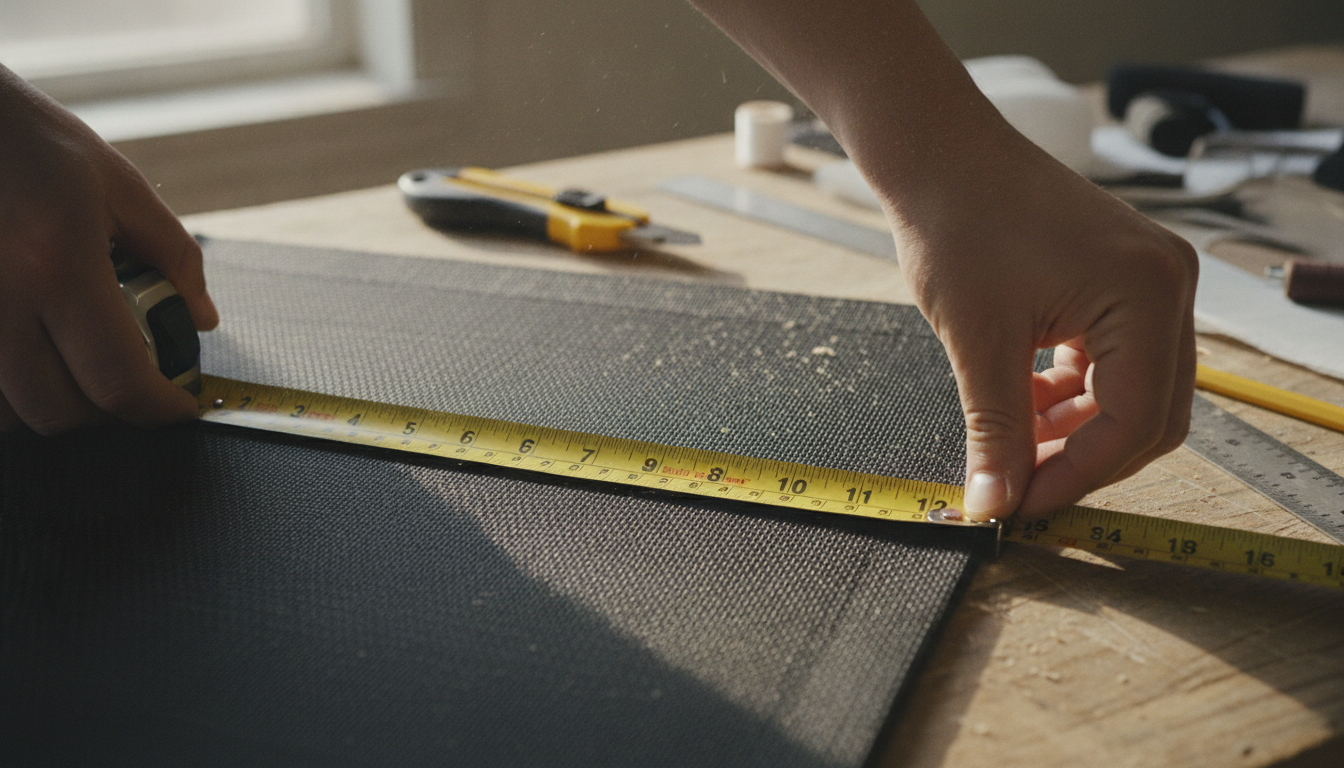
Critical Error 2: Neglecting Material Stretch and Tension in Sling Measuring Secrets
Different sling materials exhibit varying degrees of elasticity and stretch under tension. Measuring a sling while it is under load, or even just taut, will yield an inaccurate result compared to its relaxed, unloaded state. This oversight is a common pitfall in applying Sling Measuring Secrets, especially with synthetic materials like nylon or polyester web slings.
Synthetic web slings, for instance, can stretch by several percentage points of their length when under their working load limit. If you measure a used sling that has been stretched, or attempt to measure a new one while it is not completely relaxed, your dimensions will be incorrect. This can lead to ordering a replacement that is too short, or using a sling that behaves differently than expected during a lift. These are vital Sling Measuring Secrets to remember.
Best Practices for Measuring Relaxed Slings
To avoid this error, always lay synthetic slings flat on a clean, level surface without any tension. Allow the material to relax completely before taking measurements. For chain slings, while they do not stretch significantly, ensuring all links are fully extended and not twisted is crucial for accurate length determination. These careful steps are integral to mastering Sling Measuring Secrets.
The cost to have a lifting sling inspected and re-measured can vary widely depending on the type of sling, its condition, and the certification required. Professional inspection services often include re-measurement as part of their comprehensive safety audit, ensuring compliance with standards. This investment is crucial for maintaining the integrity of your lifting equipment and applying proper Sling Measuring Secrets.
Critical Error 3: Using Inaccurate Tools and Rounding Off in Sling Measuring Secrets
The quality of your measuring tools and your commitment to precise readings are non-negotiable aspects of Sling Measuring Secrets. Using worn-out, uncalibrated, or inappropriate measuring devices can introduce significant errors, even if all other steps are followed correctly. Similarly, rounding off measurements, especially for critical applications, can lead to dangerous discrepancies.
What specific tools are used for measuring chain slings? For chain slings, a robust steel tape measure is typically sufficient, but it must be accurate and in good condition. For synthetic web slings, a high-quality cloth or steel tape measure is appropriate. In industrial settings, calibrated steel tapes, digital measuring devices, and sometimes even laser measurement systems are employed to ensure the highest degree of accuracy, especially for critical applications. These tools are essential for applying Sling Measuring Secrets effectively.
Importance of Calibrated Tools for Sling Measuring Secrets
Calibrated tools ensure that the measurements you take are consistently accurate. Regular calibration checks are a fundamental part of maintaining safety standards in any rigging operation. Relying on a tape measure with a bent end or faded markings is an invitation for error. The brands offering the most reliable sling measuring devices often include those specializing in industrial tools, known for their durability and precision.
Rounding off measurements, even by a small fraction, can accumulate into a significant error, particularly when dealing with multiple slings or complex rigging setups. Always record measurements to the smallest increment possible and communicate these precise figures when ordering custom slings. These are fundamental Sling Measuring Secrets that prevent costly mistakes and ensure a perfect fit every time. Where can you purchase specialized sling measuring tools online? Reputable industrial supply websites and safety equipment distributors are excellent sources.
Critical Error 4: Overlooking Application-Specific Requirements in Sling Measuring Secrets
Not all slings are created equal, and neither are their measurement requirements. The dimensions needed for an industrial lifting sling will differ significantly from those for a patio chair sling, a baby wrap, or a rifle sling. Failing to consider the specific application and its unique measurement protocols is a critical error in applying Sling Measuring Secrets.
Patio Chair Sling Measurement for Sling Measuring Secrets
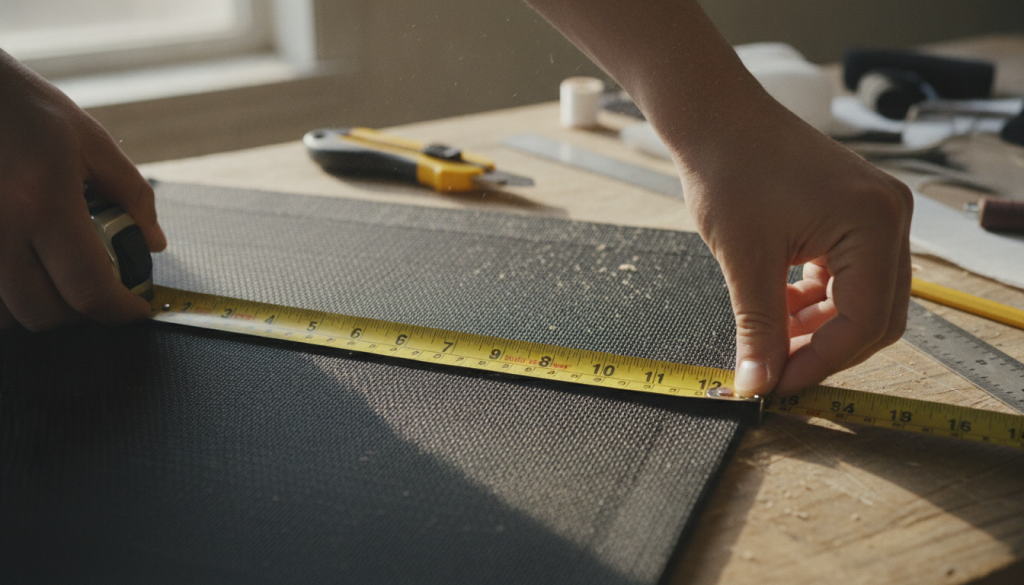
For patio chair slings, the measurement typically involves the length and width of the fabric sling itself, often from the top rail to the bottom rail, and the width between the side rails. It is crucial to measure the existing fabric or the frame dimensions precisely, accounting for any channels or attachment points. American Slings and Patio Supplies specializes in custom-made slings and provides detailed guides to assist with these Sling Measuring Secrets, ensuring a perfect replacement.
Baby Sling Sizing Guidelines and Baby Wrap Sling Size
Baby sling sizing guidelines are crucial for infant safety and comfort. For ring slings, the length often depends on the wearer’s size and desired tail length. For baby wrap sling size, the length is typically determined by the wearer’s clothing size and the type of carry desired. Official guidelines for baby sling sizing can be found from certified babywearing educators and reputable manufacturers. These Sling Measuring Secrets focus on ergonomic support and secure fit.
Rifle Sling Measurement for Shooting Accuracy
How to correctly measure a rifle sling for shooting accuracy involves considering the shooter’s body type, shooting position, and the rifle’s dimensions. A tactical sling might require different measurements than a traditional hunting sling. The goal is to ensure the sling provides stable support without restricting movement. These specialized Sling Measuring Secrets are vital for both safety and performance in shooting sports.
Mastering Sling Measuring Secrets: Best Practices for Success
Achieving consistent accuracy in sling measurement requires a systematic approach and adherence to best practices. By implementing these strategies, you can minimize errors, enhance safety, and extend the lifespan of your slings. These Sling Measuring Secrets are applicable across all industries and personal uses, ensuring reliability and compliance.
One of the secrets to quickly verifying sling dimensions on-site is to have a standardized measurement procedure and dedicated, clearly marked measuring stations. For industrial applications, Who certifies professionals in sling inspection and measurement? Organizations like ASME (American Society of Mechanical Engineers) and specialized rigging schools offer certification programs. These certifications are invaluable for ensuring competence in applying Sling Measuring Secrets.
OSHA Requirements for Sling Length and Capacity Measurement
OSHA regulations (e.g., 29 CFR 1910.184) mandate that lifting slings must be properly identified for their rated capacity and inspected regularly. While specific length measurements are not individually prescribed, slings must always be used within their designed length and capacity limits as determined by the manufacturer, ensuring they are appropriate for the load and lift geometry. Adhering to these Sling Measuring Secrets is a legal and ethical imperative.
Can I order custom-length slings based on my own measurements? Yes, many reputable suppliers, including American Slings, offer custom manufacturing based on precise customer specifications. Providing accurate measurements is key to receiving a product that perfectly meets your needs. Always double-check your figures before submitting a custom order to ensure these Sling Measuring Secrets lead to success.
Your Guide to Flawless Sling Measurement
The importance of accurate sling measurement cannot be overstated. From ensuring the safety of personnel in industrial settings to guaranteeing the comfort and longevity of your patio furniture, mastering Sling Measuring Secrets is a fundamental skill. By understanding the critical errors to avoid—misidentifying bearing points, neglecting material stretch, using inaccurate tools, and overlooking application-specific needs—you can significantly improve the reliability and safety of your sling operations.
Embrace the authoritative approach to measurement, invest in quality tools, and always prioritize precision. Whether you are a seasoned professional or a DIY enthusiast, these Sling Measuring Secrets will serve as your guide to achieving a perfect fit every time. Remember, a small error in measurement can lead to significant consequences, making attention to detail your most valuable asset. Take the time to measure correctly, and you will reap the rewards of enhanced safety, efficiency, and peace of mind.
Master Sling Measuring Secrets with American Slings
Achieve the perfect fit for your patio furniture slings and heavy-duty lifting needs with our expert guidance and high-quality supplies.
Frequently Asked Questions About Sling Measuring Secrets
What are the key dimensions to measure for industrial lifting slings?
For industrial lifting slings, key dimensions include effective working length (EWL), circumference for endless slings, eye length and width for eye-and-eye slings, and overall length. Accuracy ensures the sling’s capacity and safe use. Sling Measuring Secrets involve precise tools and techniques for critical safety compliance.
How do you accurately measure the length of a synthetic web sling?
To accurately measure a synthetic web sling, lay it flat without tension. Measure the effective working length (EWL) from bearing point to bearing point for eye-and-eye slings. For endless slings, measure the circumference and divide by two to get the EWL. Always ensure the sling is not twisted.
Why is precise sling measurement vital for safety and compliance?
Precise sling measurement is vital for safety and compliance because an incorrectly sized sling can lead to overloaded equipment, unstable loads, premature wear, and catastrophic failure. It ensures the sling operates within its rated capacity and adheres to industry safety standards like OSHA, protecting personnel and property.
What common measuring errors lead to sling failure in patio and lifting slings?
Common measuring errors that lead to sling failure include incorrect identification of bearing points, failing to account for material stretch, measuring under tension, rounding off measurements, and using worn or inaccurate measuring tools. These Sling Measuring Secrets are crucial to avoid for a perfect fit and safe operation.
What specific tools are used for measuring patio chair slings and industrial slings?
For patio chair slings, a durable cloth or steel tape measure is typically used. For industrial lifting slings, specialized tools like calibrated steel tapes, digital measuring devices, and sometimes even laser measurement systems are employed to ensure the highest degree of accuracy, especially for critical applications.
Can I order custom-length slings based on my own measurements from American Slings?
Yes, American Slings and Patio Supplies specializes in custom-made slings. We encourage customers to provide their precise measurements for both patio chair slings and other applications to ensure a perfect fit. We offer detailed guides on our website to assist you with accurate Sling Measuring Secrets.
What are the OSHA requirements for lifting sling length and capacity measurement?
OSHA regulations (e.g., 29 CFR 1910.184) mandate that lifting slings must be properly identified for their rated capacity and inspected regularly. While specific length measurements are not individually prescribed, slings must always be used within their designed length and capacity limits as determined by the manufacturer, ensuring they are appropriate for the load and lift geometry.
Where can I find reliable instructions for measuring patio chair slings?
You can find reliable, step-by-step instructions for measuring patio chair slings directly on the American Slings and Patio Supplies website. We provide comprehensive guides and even offer free fabric samples to ensure you master the Sling Measuring Secrets for a perfect replacement.