

DIY Patio Furniture Tips: 9 Ultimate Restoration Secrets
Your outdoor living space is an extension of your home, a place for relaxation and enjoyment. Over time, however, even the most durable pieces can show signs of wear. The good news is that with the right DIY Patio Furniture Tips, you can breathe new life into tired tables, faded chairs, and worn-out loungers, transforming them into stunning focal points.
This guide will reveal 9 ultimate secrets for easy restoration, helping you achieve lasting beauty and functionality without breaking the bank.
In this comprehensive guide, we will explore practical strategies for identifying common issues, selecting the best materials, and applying proven techniques for repair and maintenance. We’ll demystify how to tackle everything from sling replacement to vinyl strap repair, and explain why a thoughtful approach to restoration is key to achieving a refreshed, durable appearance. Consider this your personal invitation to discover a more vibrant, revitalized outdoor space, built on a foundation of your own craftsmanship.
Key Takeaways for DIY Patio Furniture Tips
- Understand how to assess your furniture’s condition to choose the right restoration approach.
- Learn the crucial difference between simple repairs and full-scale overhauls for your outdoor pieces.
- Discover why selecting weather-resistant materials is just as important as the restoration technique itself.
- Evaluate if a DIY project is the right investment for you by exploring cost-effectiveness and long-term benefits.
Assessing Your Furniture: The First of Our DIY Patio Furniture Tips
Before diving into any restoration project, a thorough assessment of your existing patio furniture is crucial. This initial step will guide your choices, helping you determine whether a simple refresh, a major repair, or a complete overhaul is needed. Understanding the material and the extent of damage will save you time and resources, ensuring your DIY Patio Furniture Tips lead to successful outcomes.
Inspect frames for structural integrity, checking for rust on metal, rot on wood, or cracks on plastic. Examine fabrics for tears, fading, or mildew. The goal is to identify all issues so you can create a comprehensive plan. This careful evaluation is the foundation of any effective restoration, allowing you to prioritize tasks and gather the right supplies.
Identifying Common Wear and Tear in Your DIY Patio Furniture Tips
Outdoor furniture faces constant exposure to sun, rain, and temperature fluctuations. Common signs of wear include faded paint, splintering wood, corroded metal, and degraded fabrics. For wooden pieces, look for loose joints or signs of insect damage. Metal furniture might show rust spots, while plastic can become brittle and discolored. Addressing these issues early can prevent further deterioration and extend the life of your furniture.
Understanding these common problems is key to applying the most effective DIY Patio Furniture Tips. Sometimes, a simple cleaning and repaint can make a world of difference. Other times, you might need to replace entire components. Knowing the scope of work upfront ensures you are prepared for the task ahead.
Essential Tools and Materials for DIY Patio Furniture Tips
Having the right tools and materials is paramount for any successful DIY project. For DIY Patio Furniture Tips, this means a combination of basic hand tools and specialized items for specific repairs. Investing in quality supplies will not only make the job easier but also ensure the longevity of your restored pieces. You’ll want to gather everything before you begin.
What essential tools do I need for DIY outdoor furniture projects? A tape measure, pencil, and straightedge are vital for accurate marking. A circular saw or miter saw is crucial for precise cuts in lumber, while a drill/driver is necessary for fastening screws. You’ll also need a sander for smooth finishes, a good quality hammer, and safety gear like gloves and eye protection.
Specialty tools may be needed for specific materials, such as a stapler for upholstery or a heat gun for vinyl straps.
What are the best materials for DIY patio furniture? For frames, treated lumber (like cedar or redwood) offers natural resistance to rot and insects. Outdoor-grade plywood and aluminum are also excellent choices for lightweight yet sturdy structures. For seating, consider synthetic wicker, marine-grade vinyl, or UV-resistant fabrics like Sunbrella for cushions and slings, ensuring longevity against sun and moisture. These materials are key to durable DIY Patio Furniture Tips.
Master Your DIY Patio Furniture Tips with American Slings!
Ready to tackle your next outdoor furniture restoration? American Slings and Patio Supplies provides all the high-quality replacement components you need, from custom slings to durable vinyl straps and Sunbrella fabrics.
Choosing the Right Lumber and Fabrics for Your DIY Patio Furniture Tips
When building new furniture or replacing components, material selection is critical. For wooden projects, cedar, redwood, and pressure-treated pine are excellent choices due to their natural resistance to rot and insects. Who sells affordable and durable lumber for DIY patio projects? Local lumberyards often offer better prices and selection than big box stores, and they can provide expert advice on the best wood for outdoor use. Always opt for exterior-grade fasteners to prevent rust.
For fabrics, weather-resistant options are non-negotiable. Where to buy weather-resistant fabric for DIY outdoor cushions? Specialty fabric stores, online retailers, and even some large craft stores carry outdoor-specific fabrics like Sunbrella, which are designed to withstand UV rays, moisture, and mildew. These materials are essential for long-lasting DIY Patio Furniture Tips.
Restoring Wooden Furniture with Our DIY Patio Furniture Tips
Wooden patio furniture, while beautiful, requires regular care to combat the elements. Restoration often involves cleaning, sanding, repairing, and sealing. These DIY Patio Furniture Tips will help you bring back the natural beauty of your wooden pieces, protecting them for years to come. Start by thoroughly cleaning the wood to remove dirt, mildew, and old finishes.
Once clean, sand the entire surface to create a smooth base for new finishes. Address any loose joints by disassembling, cleaning, and re-gluing with waterproof wood glue. For deeper damage, wood filler can be used to patch holes or cracks. This meticulous preparation is vital for a professional-looking finish and is a cornerstone of effective DIY Patio Furniture Tips.
Sealing and Waterproofing Wooden DIY Patio Furniture Tips
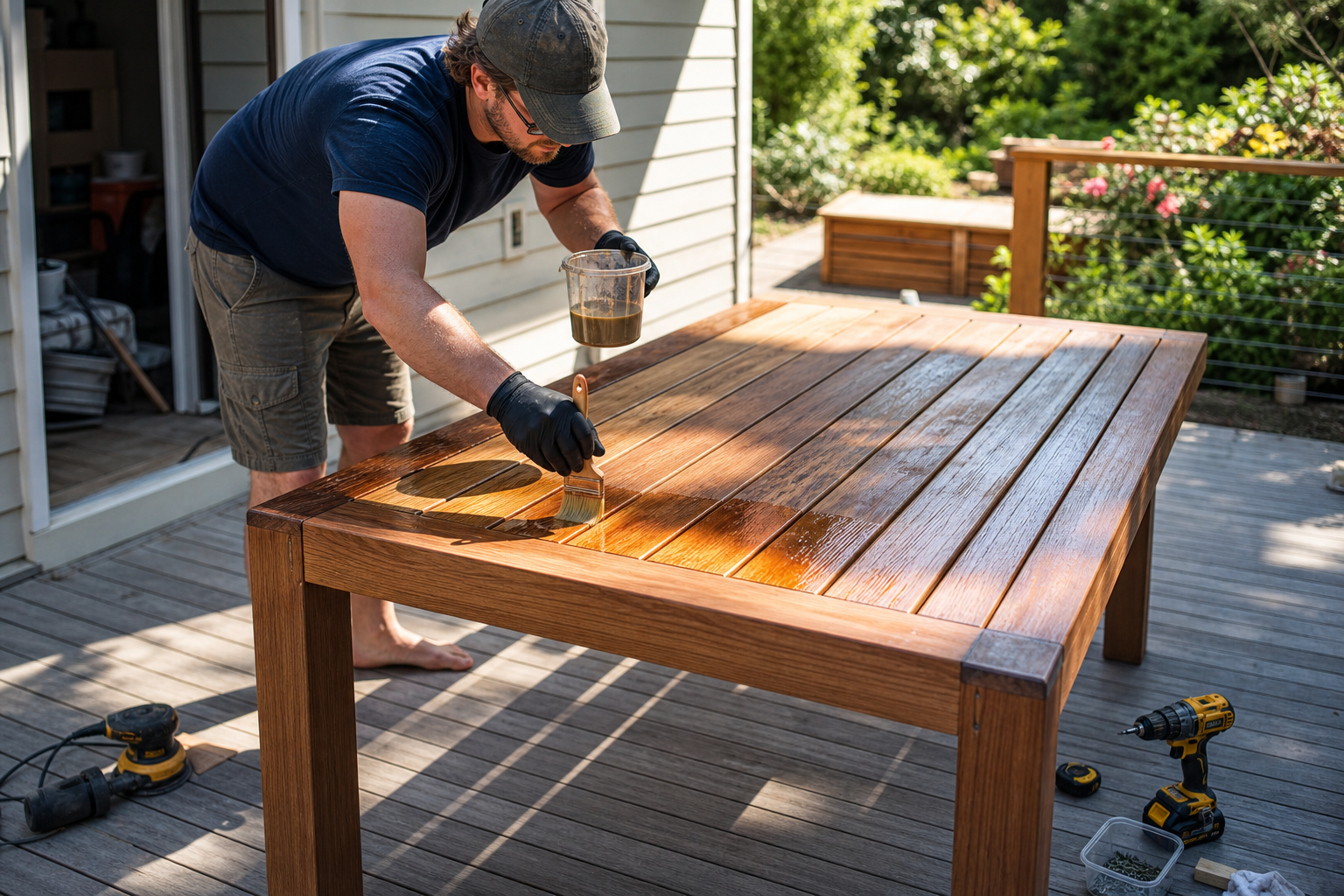
How to properly seal and waterproof DIY wooden patio furniture? Proper sealing is vital for its longevity. Begin by thoroughly cleaning and sanding the wood. Apply a high-quality outdoor wood sealant or stain with UV inhibitors, following the manufacturer’s instructions for the number of coats and drying times. Alternatively, marine-grade varnish or spar urethane offers robust protection against moisture and sun. Regularly reapply the sealant every 1-2 years, depending on your climate and exposure.
This step is crucial for protecting your investment in DIY Patio Furniture Tips.
Revitalizing Metal and Wrought Iron with DIY Patio Furniture Tips
Metal and wrought iron furniture are incredibly durable but are susceptible to rust and chipping paint. Restoring these pieces involves rust removal, priming, and repainting. These DIY Patio Furniture Tips will guide you through the process, ensuring your metal furniture looks as good as new. Start by removing all loose paint and rust with a wire brush or sandpaper.
For stubborn rust, a rust-converter product can be highly effective. Once the metal is clean and smooth, apply a rust-inhibiting primer specifically designed for outdoor metal. This layer provides a protective barrier and ensures better adhesion for your topcoat. Choose an exterior-grade spray paint or brush-on paint that is suitable for metal surfaces. Applying multiple thin coats will yield a smoother, more durable finish, a key aspect of successful DIY Patio Furniture Tips.
Preventing Future Corrosion in Your DIY Patio Furniture Tips
After restoration, ongoing maintenance is essential to prevent future corrosion. Regularly clean your metal furniture to remove dirt and debris that can trap moisture. Touch up any chips or scratches in the paint immediately to prevent rust from forming. Applying a clear protective sealant can add an extra layer of defense against the elements. These proactive DIY Patio Furniture Tips will keep your metal furniture looking great for years.
Fabric and Cushion Renewal: DIY Patio Furniture Tips
Faded, torn, or mildewed cushions and fabrics can make an entire patio set look old and uninviting. Renewing these elements is one of the most impactful DIY Patio Furniture Tips you can undertake. This can involve cleaning, repairing, or completely replacing the fabric and foam inserts. Start by thoroughly cleaning existing cushions with an appropriate outdoor fabric cleaner.
For minor tears, fabric repair kits can offer a quick fix. However, for significant damage or a complete aesthetic refresh, replacing the fabric is often the best option. How to make weather-resistant cushions for DIY patio furniture? Select high-quality outdoor-specific foam or polyester fiberfill that resists mildew. Cover the foam with a water-resistant liner. For the outer fabric, use marine-grade or solution-dyed acrylic fabrics like Sunbrella, known for their UV and water resistance.
Sew the covers with outdoor-grade thread and consider adding zippers for easy removal and cleaning. Incorporate drainage holes or use a breathable mesh on the bottom for optimal water shedding.
Simple Fabric Repairs and Replacements for DIY Patio Furniture Tips
Even if you’re new to sewing, simple cushion covers can be a straightforward project. Many online tutorials offer free plans or blueprints for DIY patio furniture cushions. You can also find pre-made outdoor cushion inserts and simply sew new covers. This approach allows for endless customization in terms of color and pattern, making it a fantastic way to personalize your outdoor space with these DIY Patio Furniture Tips.
Sling and Strap Replacement: Advanced DIY Patio Furniture Tips
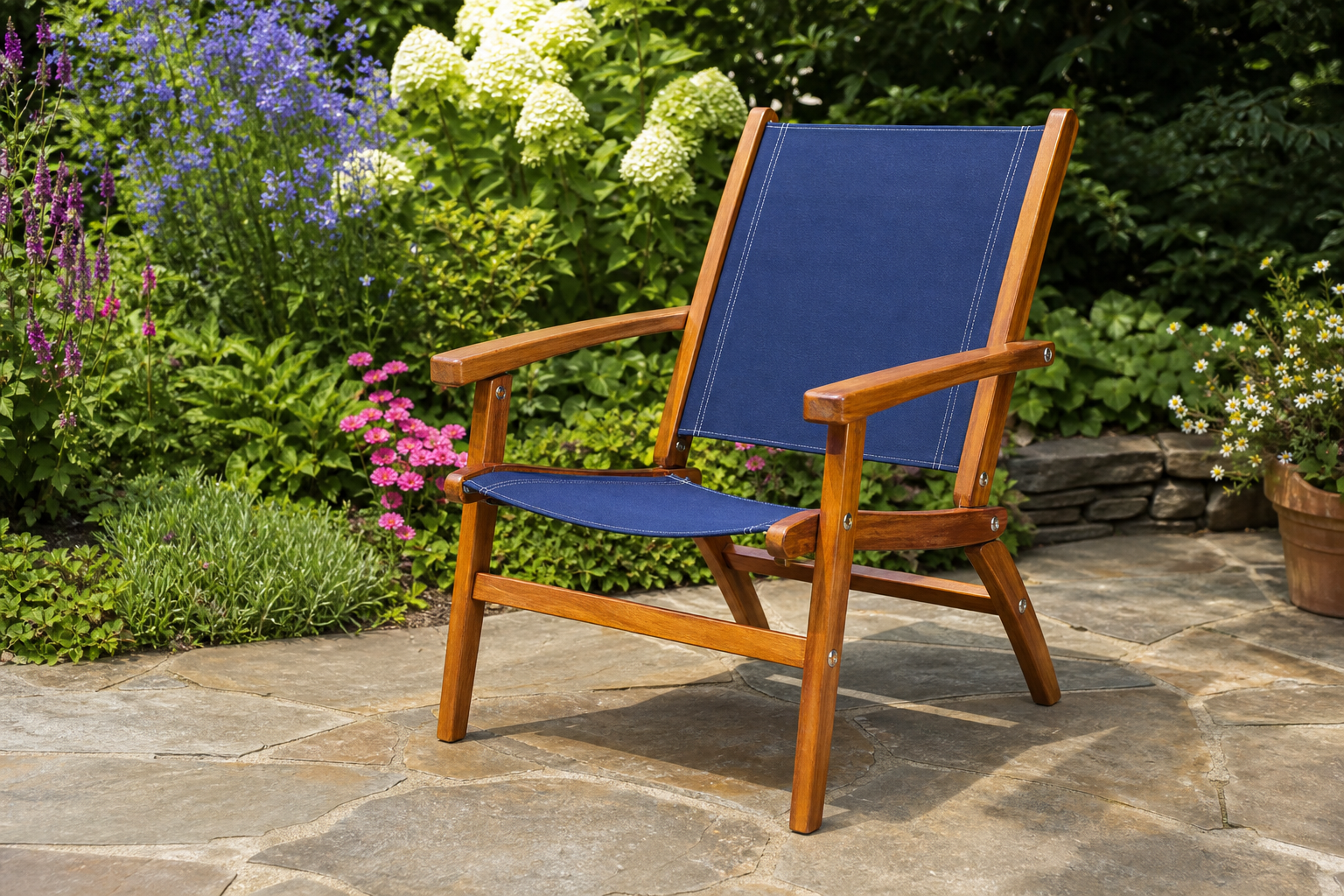
Sling chairs and vinyl strap furniture are popular for their comfort and style, but their fabric or straps can degrade over time. Replacing these components is a more advanced but highly rewarding DIY project. These DIY Patio Furniture Tips will help you tackle sling and strap replacement, restoring both the comfort and appearance of your chairs. For sling chairs, you’ll need to measure the existing sling carefully to order or cut new fabric.
Many online suppliers, such as American Slings and Patio Supplies, offer custom-cut slings and all the necessary tools for replacement. For vinyl strap furniture, measure the length and width of the old straps. You’ll typically need a heat gun to soften the new vinyl straps, making them pliable enough to stretch and attach to the frame. This ensures a tight, professional finish, a key element of these specialized DIY Patio Furniture Tips.
Step-by-Step Sling and Vinyl Strap Replacement with DIY Patio Furniture Tips
Replacing a sling involves removing the old fabric, cleaning the frame, and then installing the new sling using spline or bolts. For vinyl straps, remove the old straps, clean the frame, and then attach the new straps by heating them and stretching them into place. There are numerous online guides and videos that provide detailed instructions for these processes.
With patience and the right tools, you can achieve results comparable to professional repairs, making these DIY Patio Furniture Tips incredibly valuable.
Creative Upcycling and Budget-Friendly DIY Patio Furniture Tips
Building your own patio furniture or upcycling existing items offers a fantastic way to save money and create unique pieces. Why build your own patio furniture instead of buying it pre-made? It allows for complete customization in terms of size, design, and color to perfectly match your outdoor space and aesthetic. DIY projects are often more cost-effective, especially when using reclaimed or affordable materials.
Furthermore, it provides a sense of accomplishment and ensures higher quality construction if you focus on durable materials and proper techniques, resulting in unique, long-lasting pieces.
Can I use recycled or upcycled materials for DIY patio furniture? Absolutely! Repurposing materials like wooden pallets, old tires, or even cinder blocks can lead to incredibly creative and budget-friendly patio furniture. How to build a simple DIY pallet patio sofa for beginners? Start by acquiring heat-treated (HT) pallets, avoiding those treated with methyl bromide (MB). Clean and sand them thoroughly. Stack two pallets for the base and secure them with screws.
Add another pallet vertically for the backrest, reinforcing with L-brackets. Finish with outdoor paint or sealant and top with weather-resistant cushions for comfort and style. These are excellent DIY Patio Furniture Tips for beginners.
Affordable Ideas and Easy Projects for DIY Patio Furniture Tips
What are the cheapest DIY patio furniture ideas on a budget? Pallet furniture, cinder block benches, and tire ottomans are incredibly cost-effective. You can also transform old wooden crates into stylish storage benches or side tables. What are some easy DIY patio furniture projects for beginners? Building simple wooden benches, small side tables from reclaimed wood, or pallet seating are great starting points. Crate storage benches, tire ottomans, and cinder block planters are also straightforward.
For textiles, consider crafting simple outdoor curtains or recovering existing chair cushions with new, vibrant outdoor fabric. These projects require minimal specialized tools and offer satisfying results for those new to DIY. For more inspiration, explore resources like Better Homes & Gardens DIY Patio Furniture ideas.
How much does it typically cost to build DIY patio furniture? The cost can vary widely, from under $50 for a simple pallet bench to several hundred dollars for a more elaborate dining set, depending on materials and complexity. How long does it take to build DIY patio furniture from scratch? A small side table might take a few hours, while a full sofa could take a weekend or more.
These DIY Patio Furniture Tips empower you to choose the right project for your budget and time.
Your Invitation to Lasting Outdoor Enjoyment with DIY Patio Furniture Tips
The journey to revitalized outdoor living is both practical and rewarding. As we’ve explored, applying these DIY Patio Furniture Tips is uniquely designed to provide not only immediate aesthetic improvement but also to extend the lifespan of your beloved pieces. This hands-on approach offers a distinct advantage, delivering durable and beautiful results that truly rejuvenate your patio.
It stands as a testament to what is possible when advanced techniques are guided by an expert, artistic touch—one that honors your unique style and budget.
If you are ready to embrace a more defined and revitalized outdoor space, your journey begins with a personal commitment to these projects. With the right DIY Patio Furniture Tips, you can transform your patio into an inviting oasis. Your journey toward renewed outdoor confidence awaits.
What are the best materials for DIY patio furniture?
For DIY patio furniture, the best materials balance durability, weather resistance, and aesthetics. Popular choices include treated lumber (like cedar or redwood) for its natural resistance to rot and insects, outdoor-grade plywood, and aluminum for lightweight yet sturdy frames. For seating, consider synthetic wicker, marine-grade vinyl, or UV-resistant fabrics like Sunbrella for cushions and slings, ensuring longevity against sun and moisture.
How to build a simple DIY pallet patio sofa for beginners?
Building a simple DIY pallet patio sofa is an excellent beginner project. Start by acquiring heat-treated (HT) pallets, avoiding those treated with methyl bromide (MB). Clean and sand them thoroughly. Stack two pallets for the base and secure them with screws. Add another pallet vertically for the backrest, reinforcing with L-brackets. Finish with outdoor paint or sealant and top with weather-resistant cushions for comfort and style.
Why build your own patio furniture instead of buying it pre-made?
Building your own patio furniture offers numerous advantages over buying pre-made. It allows for complete customization in terms of size, design, and color to perfectly match your outdoor space and aesthetic. DIY projects are often more cost-effective, especially when using reclaimed or affordable materials. Furthermore, it provides a sense of accomplishment and ensures higher quality construction if you focus on durable materials and proper techniques, resulting in unique, long-lasting pieces.
What essential tools do I need for DIY outdoor furniture projects?
Essential tools for DIY outdoor furniture projects typically include a tape measure, pencil, and straightedge for accurate marking. A circular saw or miter saw is crucial for precise cuts in lumber, while a drill/driver is necessary for fastening screws. You’ll also need a sander for smooth finishes, a good quality hammer, and safety gear like gloves and eye protection. Specialty tools may be needed for specific materials, such as a stapler for upholstery or a heat gun for vinyl straps.
How to make weather-resistant cushions for DIY patio furniture?
To make weather-resistant cushions for DIY patio furniture, select high-quality outdoor-specific foam or polyester fiberfill that resists mildew. Cover the foam with a water-resistant liner. For the outer fabric, use marine-grade or solution-dyed acrylic fabrics like Sunbrella, known for their UV and water resistance. Sew the covers with outdoor-grade thread and consider adding zippers for easy removal and cleaning. Incorporate drainage holes or use a breathable mesh on the bottom for optimal water shedding.
How to properly seal and waterproof DIY wooden patio furniture?
Properly sealing and waterproofing DIY wooden patio furniture is vital for its longevity. Begin by thoroughly cleaning and sanding the wood. Apply a high-quality outdoor wood sealant or stain with UV inhibitors, following the manufacturer’s instructions for the number of coats and drying times. Alternatively, marine-grade varnish or spar urethane offers robust protection against moisture and sun. Regularly reapply the sealant every 1-2 years, depending on your climate and exposure.
What are some easy DIY patio furniture projects for beginners?
Easy DIY patio furniture projects for beginners include building simple wooden benches, small side tables from reclaimed wood, or pallet seating. Crate storage benches, tire ottomans, and cinder block planters are also straightforward. For textiles, consider crafting simple outdoor curtains or recovering existing chair cushions with new, vibrant outdoor fabric. These projects require minimal specialized tools and offer satisfying results for those new to DIY.